Why do some dry wines feel softer than others?
A dry wine can still feel soft, round and generous. Acidity, tannin, alcohol, ripe fruit and winemaking choices set the feel, and there are clues for spotting the softer bottles.
(Acidity, alcohol and texture, without the textbook headache)
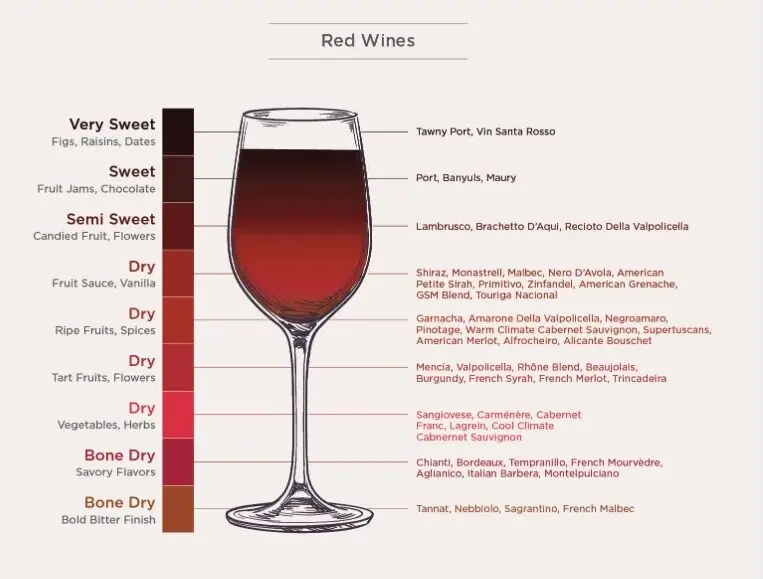
What ‘dry’ actually means (and what it doesn’t)
In wine, dry means ‘not sweet’: very little or no residual sugar left after fermentation.
But your brain doesn’t judge sweetness by sugar alone. It builds a ‘soft vs sharp’ impression from several factors, such as:
- Acidity
- Alcohol
- Texture (tannins, body, bubbles)
- Aromas (fruit, oak, floral, spice)
Two equally dry wines on paper can feel completely different in your mouth. Think of ‘dryness’ as a yes/no switch about sugar. Soft vs sharp is a separate dial.
The three big levers of softness
1. Acidity: the mouth-watering factor
Acidity is your wine’s backbone.
- High acidity = bright, zesty, tangy, refreshing
- Lower acidity = rounder, mellower, softer
Neither state requires sugar. A wine can be bone dry and still feel soft if its acidity is moderate or well-integrated.
Everyday comparison:
- Lemon juice in water: super acidic, feels sharp
- Milk: far less acidic, feels soft and creamy
Both unsweetened, yet very different sensations.
Winemakers can soften acidity through malolactic fermentation (MLF), a process that converts sharp malic acid → softer lactic acid.
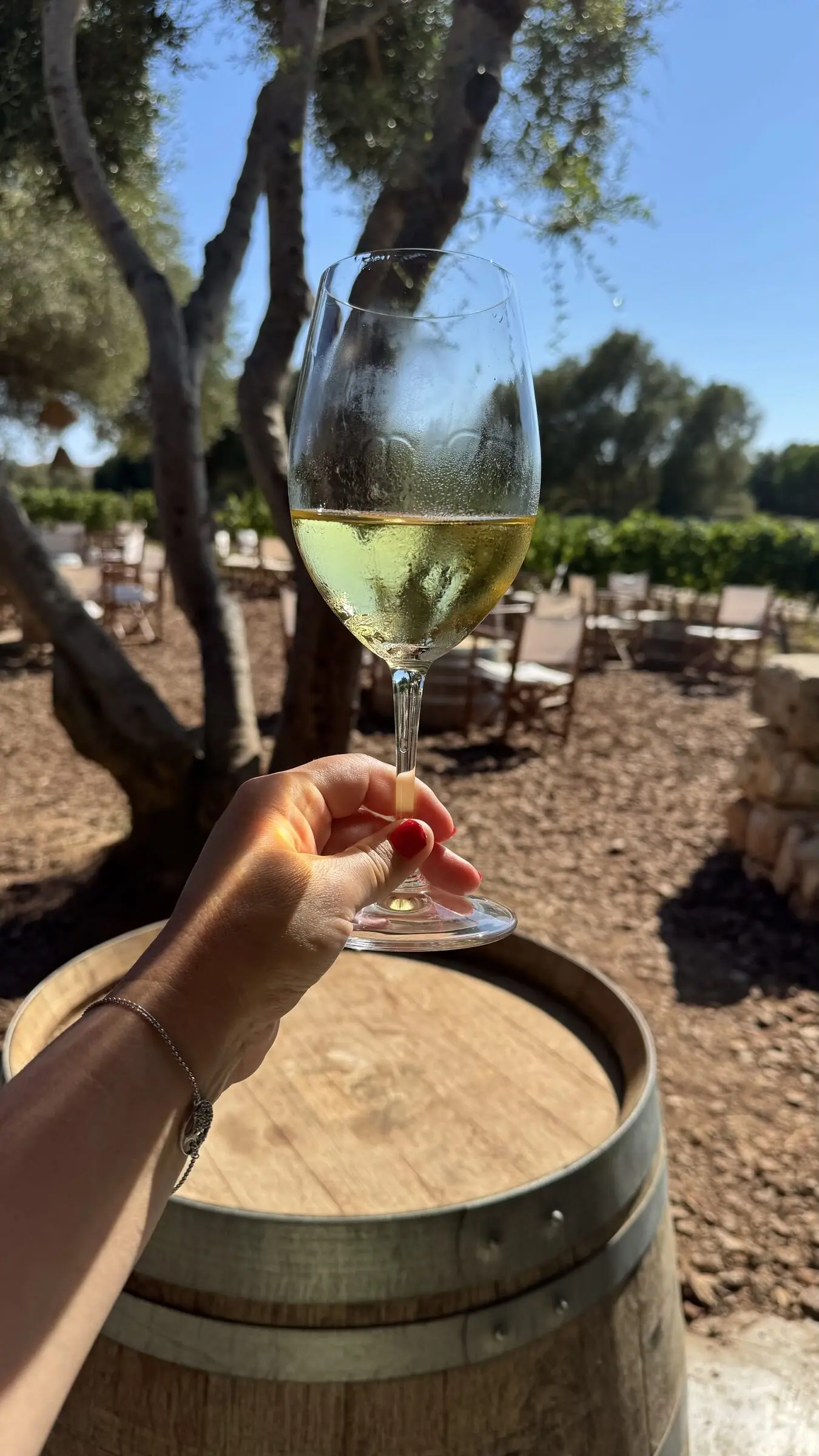
Often sharper, racier (higher-acid) dry wines:
- Sauvignon Blanc (Loire, Marlborough)
- Riesling from cool climates
- Albariño
- Many cool-climate sparkling wines
Often softer, rounder (moderate-acid) dry wines:
- Warm-climate Chardonnay
- Viognier
- Grenache/Garnacha
- Merlot
- Many New World Cabernet Sauvignons
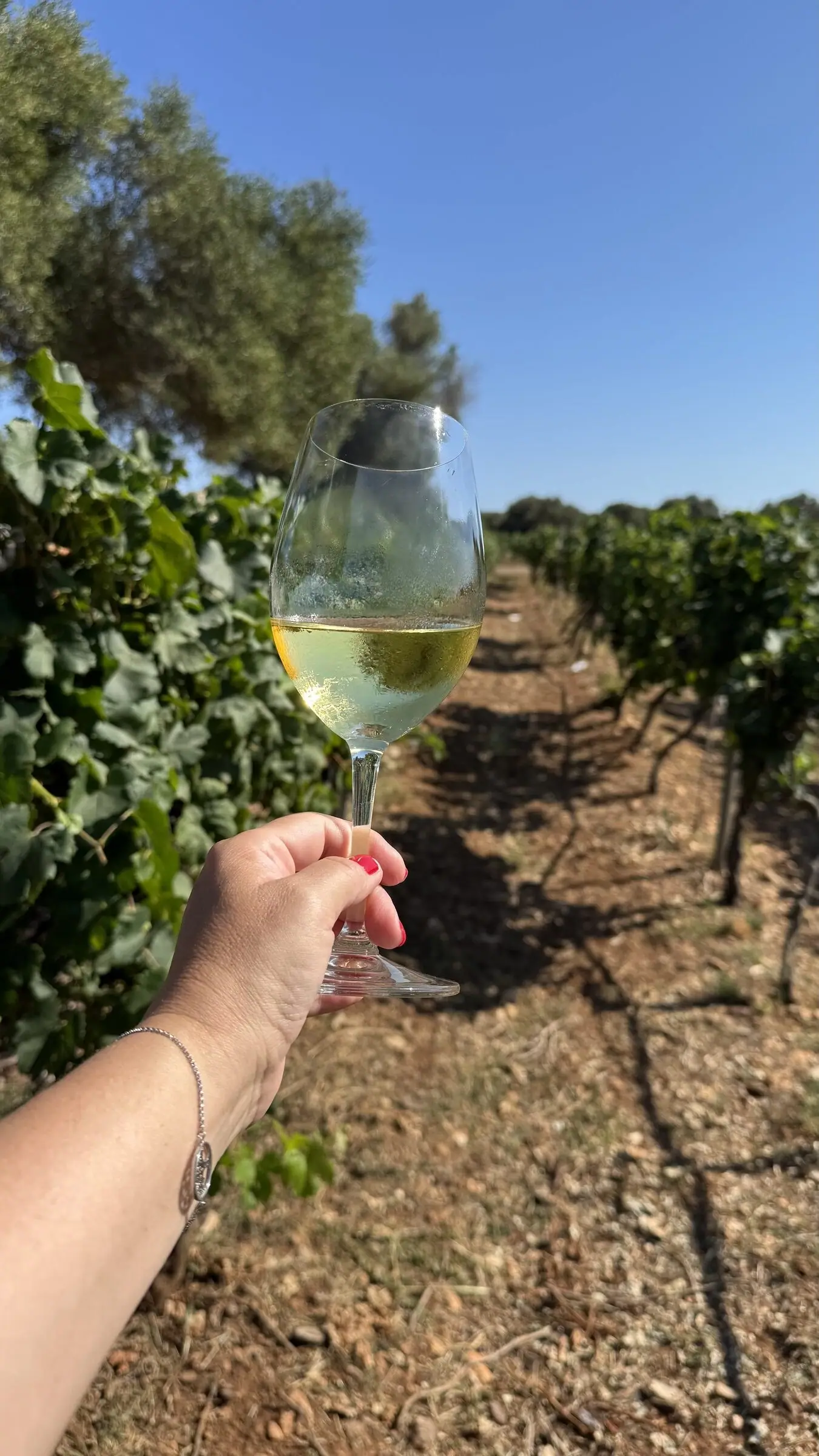
Same dryness, different acidity = different feel.
Tannins: sandpaper vs velvet in reds
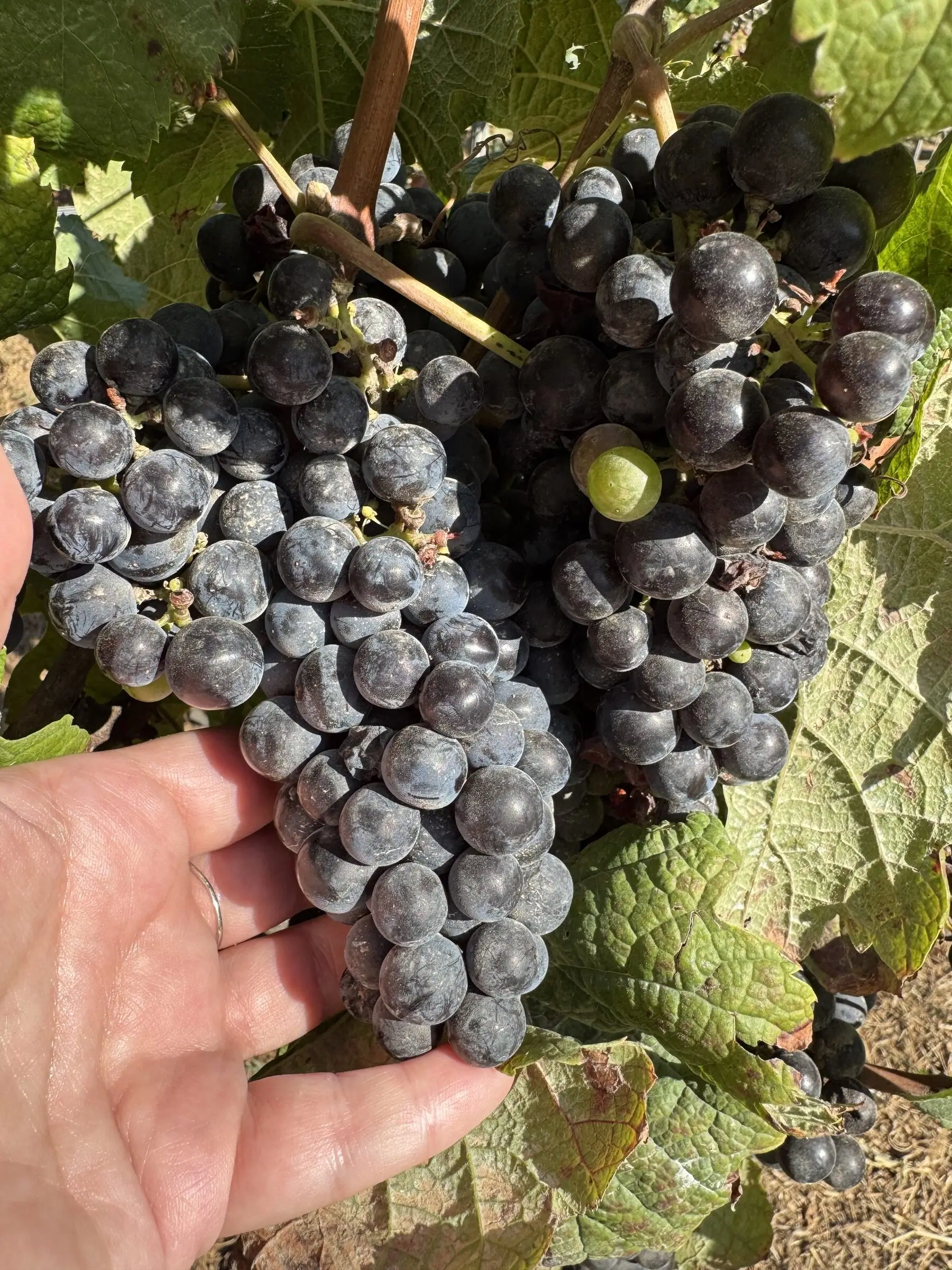
In red wines, tannins are often the difference between ‘Wow, so smooth’ and ‘My mouth is being exfoliated’.
Tannins come from grape skins, seeds and oak. They’re responsible for that drying, grippy feeling on your gums.
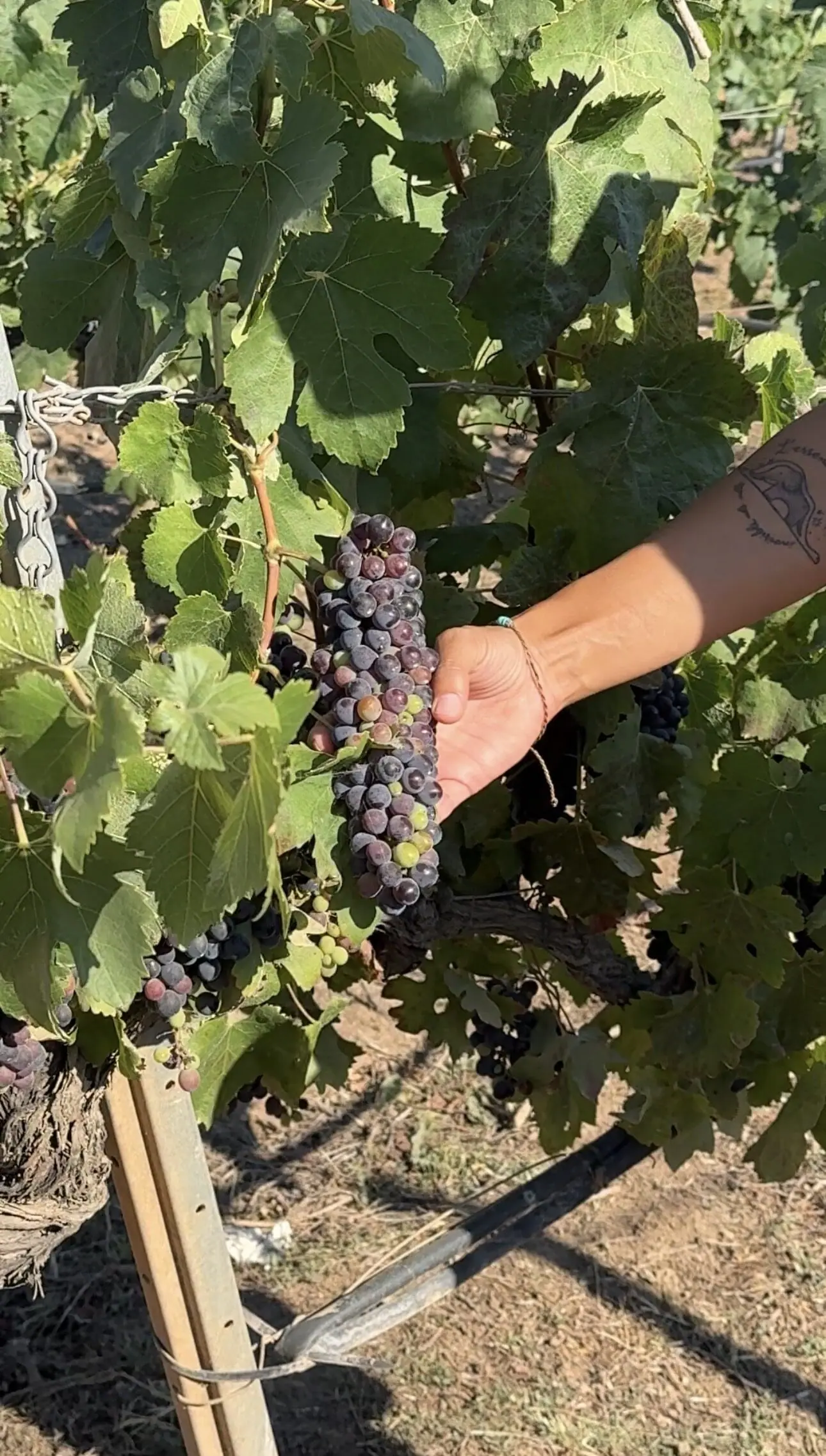
Harsh, angular tannins are typically the hallmark of under-ripe grapes and overly aggressive extraction in the winery, often seen in very young wines. On the palate, they create a drying, sometimes bitter impression, with a slightly scratchy texture that can dominate the fruit.
By contrast, ripe, fine-grained tannins usually come from better-ripened grapes and more restrained winemaking, often supported by some time in barrel and bottle. These tannins feel silky and powdery, like black velvet in a glass.
Grape varieties bring their own personalities:
- Cabernet Sauvignon, Nebbiolo → more structured and firm
- Merlot, Pinot Noir, Grenache → often naturally softer and rounder
All of these can be dry. Tannin quality and handling decide whether your mouth smiles or files a complaint.
Alcohol and body
Alcohol doesn’t just live in the ‘Should I have a second glass?’ department. It also changes how a wine feels.
Higher alcohol (when balanced) tends to:
- Add body and weight
- Bring a gentle warmth
- Create a more coating, plush texture
Lower alcohol usually:
- Feels lighter and more linear
- Leaves acidity and tannin more exposed
- Can feel sharper if the wine is already high-acid
That’s why a 14.5% warm-climate Syrah can feel soft and generous, while a 12% cool-climate red may feel lean and taut, even though both are dry.
One is a comfy armchair; the other is a stylish stool that looks great but doesn’t love long conversations.
Ripe fruit flavours are a trick on your brain
Your brain is wired to associate ripe, juicy fruit with sweetness. Wine can use that against you.
Two dry wines:
- One tastes of green apple, lemon, herbs → feels lean, fresh, possibly sharp.
- The other tastes of ripe peach, mango, black cherry → feels rounder, softer, almost sweet… even if it isn’t.
The actual sugar may be nearly identical, so ripeness and flavour profile make the difference.
Winemakers have a few handy tools to make a dry wine feel softer and more luxurious.
1. Oak ageing
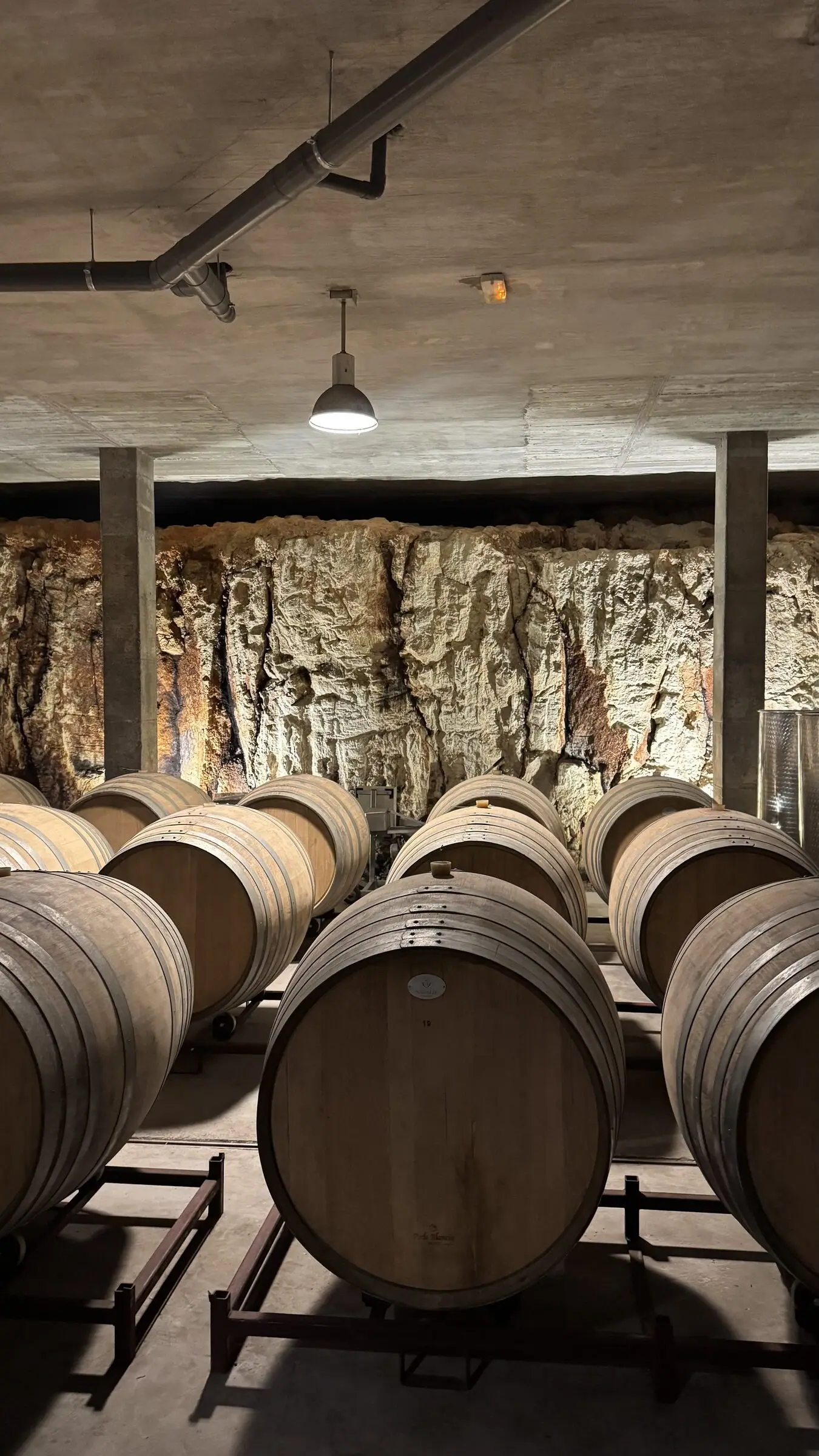
Oak can:
- Add flavours like vanilla, spice, toast and mocha
- Gently expose wine to oxygen, helping tannins soften
- Increase the sense of creaminess and roundness
Think of it as the wine’s ‘soft-focus filter’.
2. Lees ageing
Lees are the dead yeast cells left after fermentation. Ageing wine on its lees can:
- Add a creamier, more textured mouthfeel
- Bring notes of brioche, pastry or nuttiness
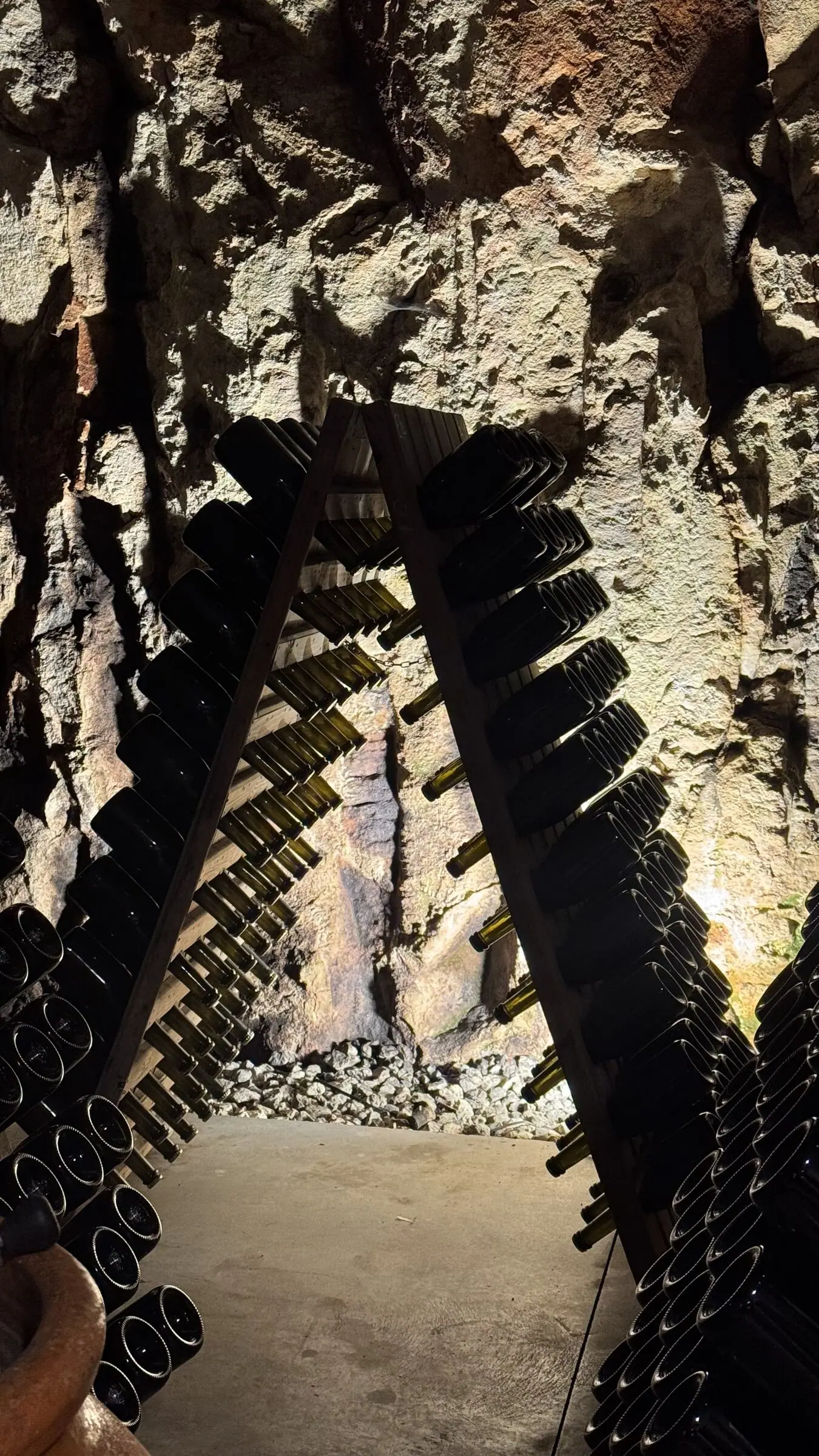
Lees do a lot of the work behind that silky, mouth-coating feel in quality Champagne or rich Chardonnay.
3. Malolactic fermentation (MLF)
I mentioned MLF earlier, in the acidity section. As a softening tool it:
- Turns sharper malic acid into softer lactic acid
- Lowers perceived sharpness
- Often adds buttery or creamy notes
All of these steps keep the wine dry but make it feel much softer.
The tiny bit of sugar hiding in ‘dry’
Many wines labelled ‘dry’ aren’t at absolute zero sugar. They might have a few grams per litre of residual sugar, usually below your conscious sweetness radar.
What that tiny amount can do
- Round off sharp acidity
- Soften the edge of tannins
- Enhance fruitiness
So two wines can both be legally ‘dry’, but the one with a whisper more sugar (balanced by good acidity) will feel softer, rounder and more forgiving.
How to find softer dry wines
If you like wines that are dry in taste but gentle in attitude, look for:
Grapes and styles
Softer reds:
- Merlot
- Grenache/Garnacha
- Many New World Pinot Noirs
- Some Malbecs
Softer whites:
- Chardonnay (especially with some oak)
- Viognier
- Richer blends, some rounder Albariños and similar styles
Climate clues
- Warmer regions → riper fruit, softer acidity, rounder wines
- Cooler regions → higher acidity, often firmer and more ‘edgy’
Buzzwords on labels and notes
Look for terms like:
- Creamy, velvety, plush, round, supple, smooth, rich
- Or mentions of oak ageing, barrel fermented, lees aged, malolactic fermentation
Serving temperature matters
- Over-chilling reds makes tannins feel harder.
- Serving full-bodied whites just slightly warmer than fridge-cold makes them feel softer and creamier.
Once you start noticing acidity, tannin, alcohol, ripeness and winemaking choices, you can pick bottles that are exactly as soft and silky as you want them to be.