Why wine tastes the way it does
Climate, soil, the choices made in the vineyard and the winery, and the balance between them all shape what ends up in your glass. The grape is only the starting point.
A quiet conversation between place, people and decisions
Most people assume that wine tastes the way it does because of the grape. Chardonnay tastes like Chardonnay, Pinot Noir tastes like Pinot Noir. End of story.
But anyone who has tasted widely knows this isn’t true.
A Chardonnay from Chablis does not taste like a Chardonnay from California. Pinot Noir from Burgundy can feel delicate and earthy, while one from Central Otago might be bold and fruit-driven. Same grape, very different experience.
So what shapes the taste in the glass?
It starts with where the grapes grow, who looks after them and what is decided in the vineyard and the winery, long before the bottle reaches the table.
Place matters
Every wine starts with geography.
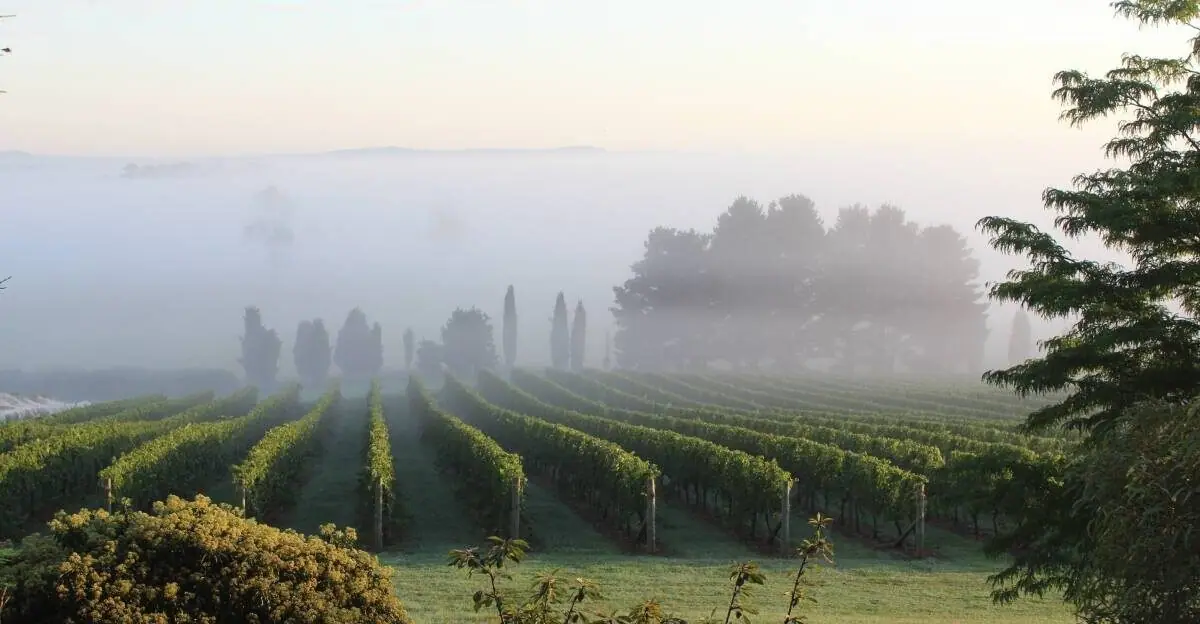
Climate determines how grapes ripen: how much sugar they accumulate, how much acidity they retain, how aromatic they become. Cooler climates tend to produce wines with higher acidity, lower alcohol and more restrained fruit. Warmer climates usually bring riper flavours, higher alcohol and softer structure.
But climate alone doesn’t tell the whole story.
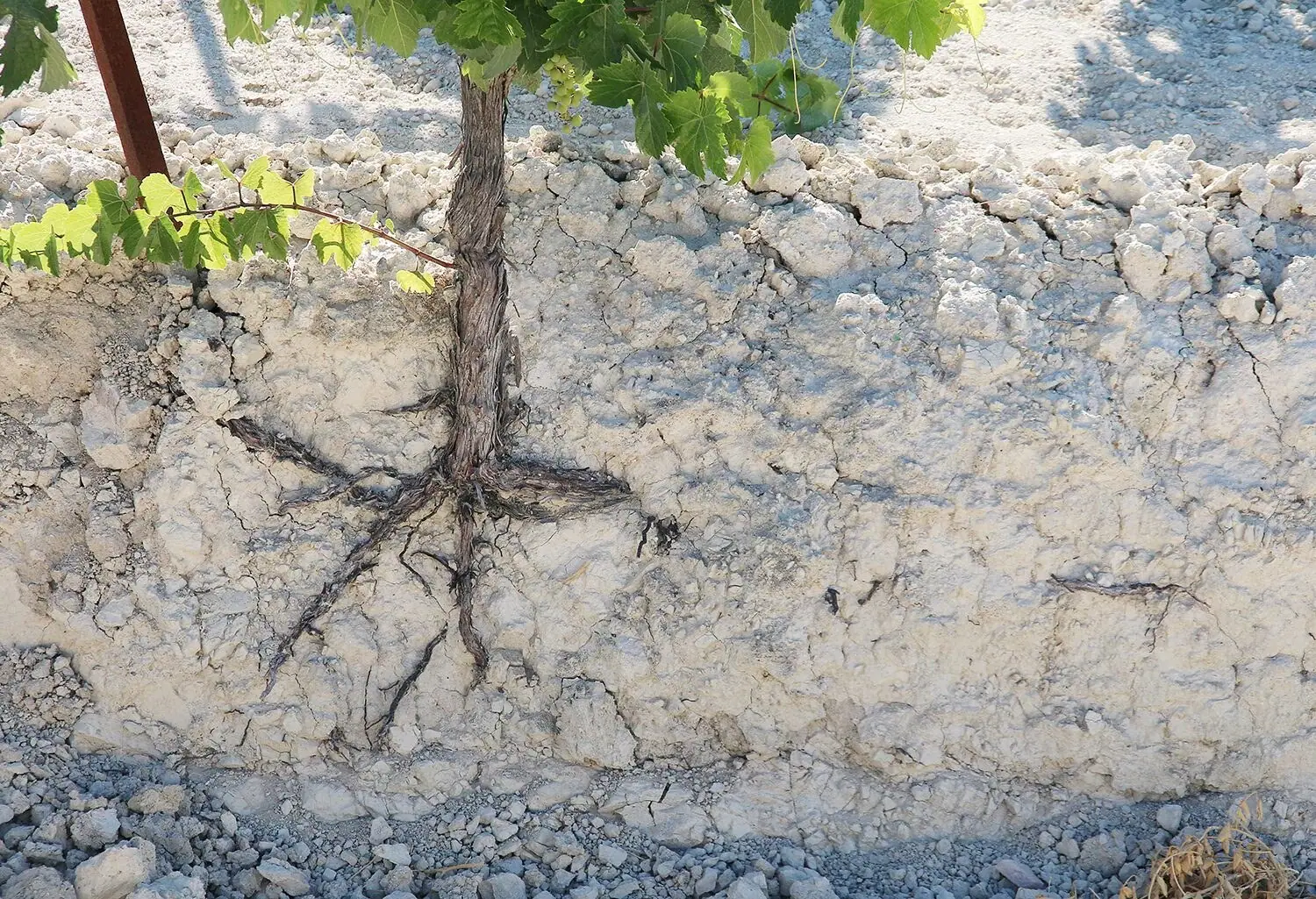
Soil influences water availability, vine vigour and root depth. Limestone soils often contribute to wines that feel precise and linear. Clay can enhance body and richness. Sandy soils may produce lighter, more aromatic styles. These effects are subtle, but over time they shape the identity of a region.
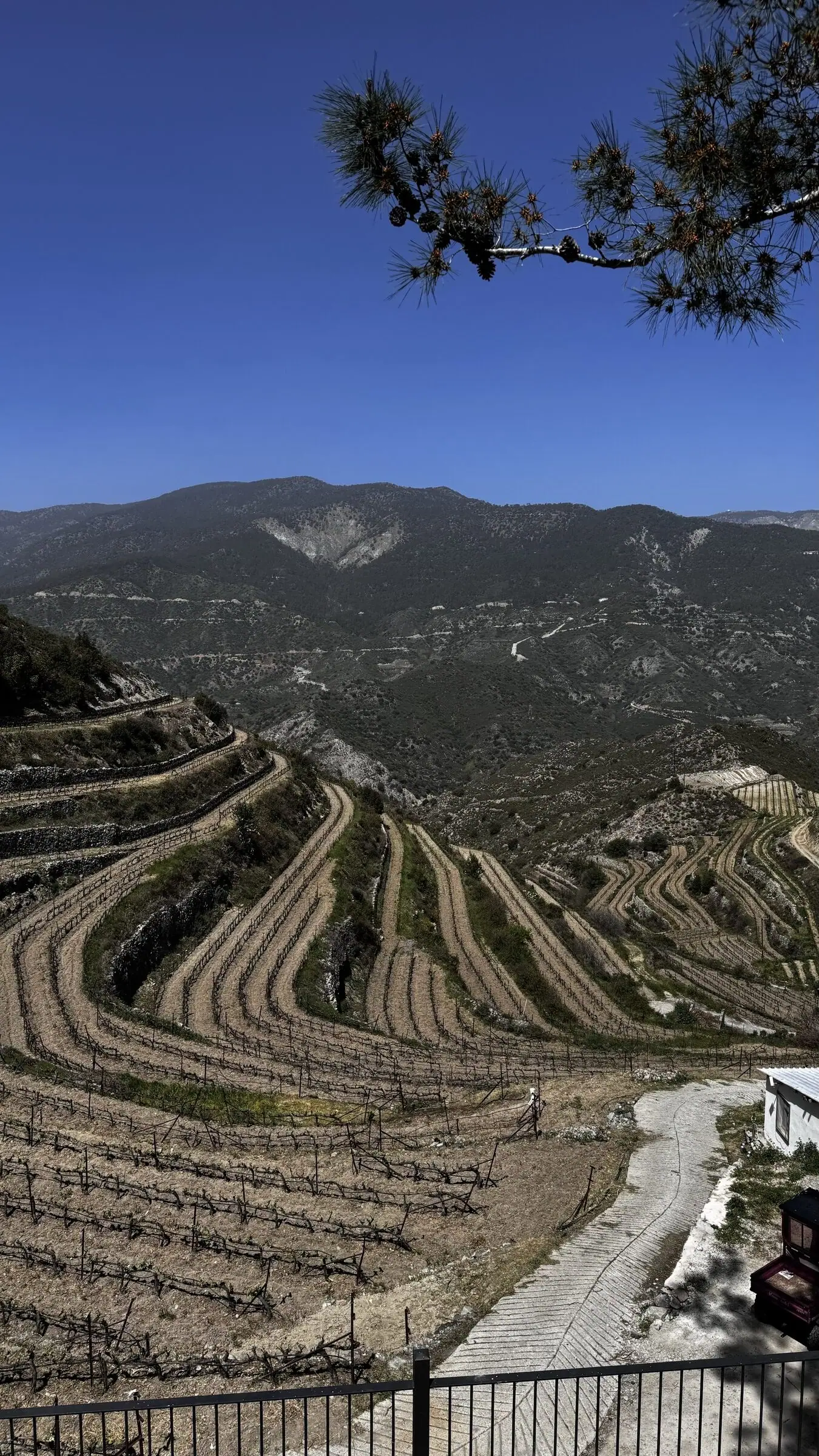
Topography counts too. Slope, altitude and exposure affect how much sunlight vines receive and how cold air moves through a vineyard. A few metres higher or lower can change ripening patterns.
This is why wine regions are not interchangeable, and why ‘terroir’ is a matter of agricultural reality.
The vineyard: decisions before harvest
Wine style is inherited from nature and actively guided by people.
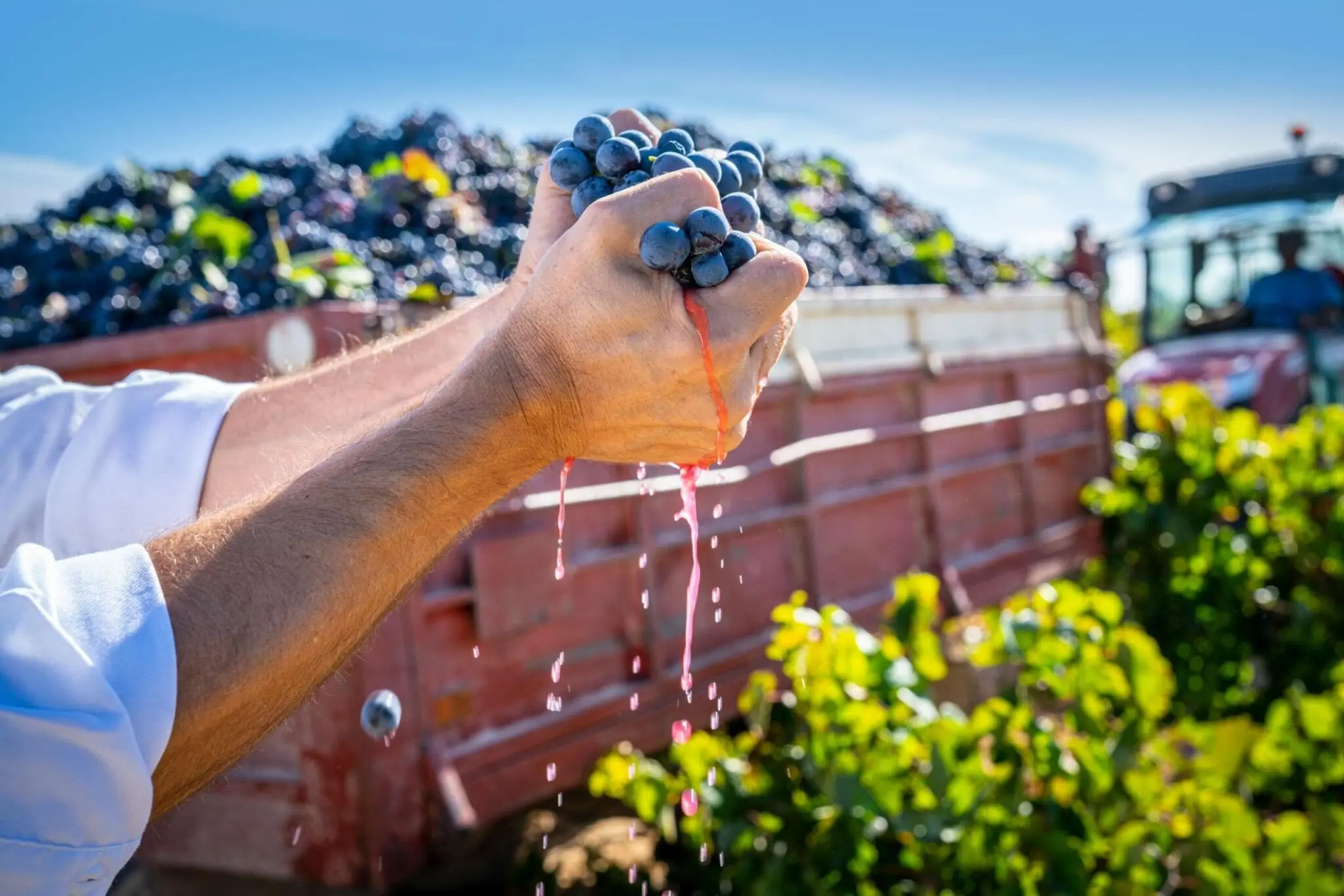
Viticultural choices (how the vines are grown) shape flavour and structure. Yields matter: fewer grapes per vine usually mean more concentration, though not automatically better quality. Canopy management affects sunlight exposure and disease pressure. Harvest timing determines the balance between sugar, acidity and flavour ripeness.
Pick early, and the wine may feel lean, fresh and sharp. Pick later, and it may become richer, riper and more powerful, sometimes at the cost of freshness.
There is no single ‘correct’ moment to harvest.
The winery: where the style is shaped
Once grapes enter the winery, human choices become even more visible.
Fermentation temperature influences aroma and texture. Cooler fermentations preserve delicate fruit and floral notes. Warmer ones extract more colour, tannin and structure.
Yeast selection matters. Indigenous (wild) yeasts can add complexity and unpredictability. Cultured yeasts offer control and consistency, sometimes enhancing specific aromatic profiles.
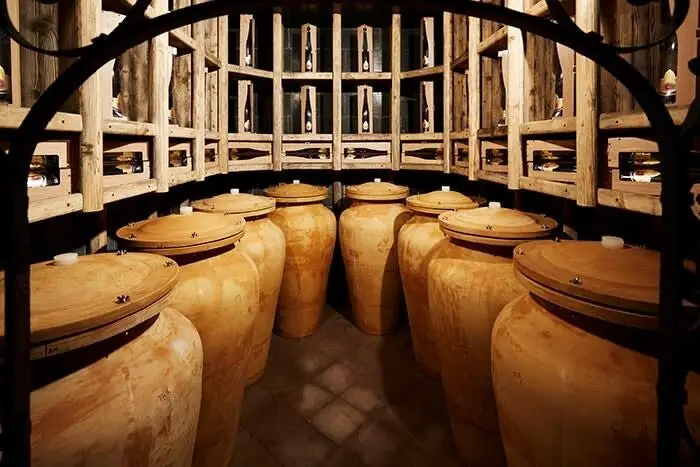
Oak is another major stylistic tool. New oak can add flavours of vanilla, spice, toast or smoke. Older barrels contribute texture without strong aromas. The size of the barrel, the origin of the oak, and the length of ageing all leave fingerprints on the wine.
Even decisions like whether to allow malolactic fermentation (the conversion of sharp malic acid into softer lactic acid) can change how a wine feels in the mouth.
These are creative choices.
Balance: the real goal
Great wines are rarely about extremes.
They feel balanced: acidity, alcohol, tannin, fruit and texture work together.
Balance looks different depending on style. A Mosel Riesling and a Barolo will never feel the same, yet both can be harmonious within their own context.
So wine education is mostly about learning to recognise relationships, and memorising flavours comes second.
Why this matters as a drinker
Understanding what shapes wine changes how we taste.
Instead of asking, ‘Do I like this?’ we begin to ask better questions:
What is this wine trying to express?
What choices led it here?
Does it succeed in its own terms?
This shift removes pressure. Wine no longer needs to impress or perform. It needs to make sense.
And suddenly, tasting is mostly curiosity.
Wine behaves like a language. It carries information about climate, land, culture, risk and intention. Each bottle records a season that will never repeat itself in exactly the same way.