Binifadet: a Menorcan winery with rocky soils, sea breezes and a cellar carved into the rock
Wine travelsMenorca, Spain
A walk through Menorca’s red, stony vineyards, the orange Chardonnay that surprised me most, and a long island lunch on the terrace at Binifadet.
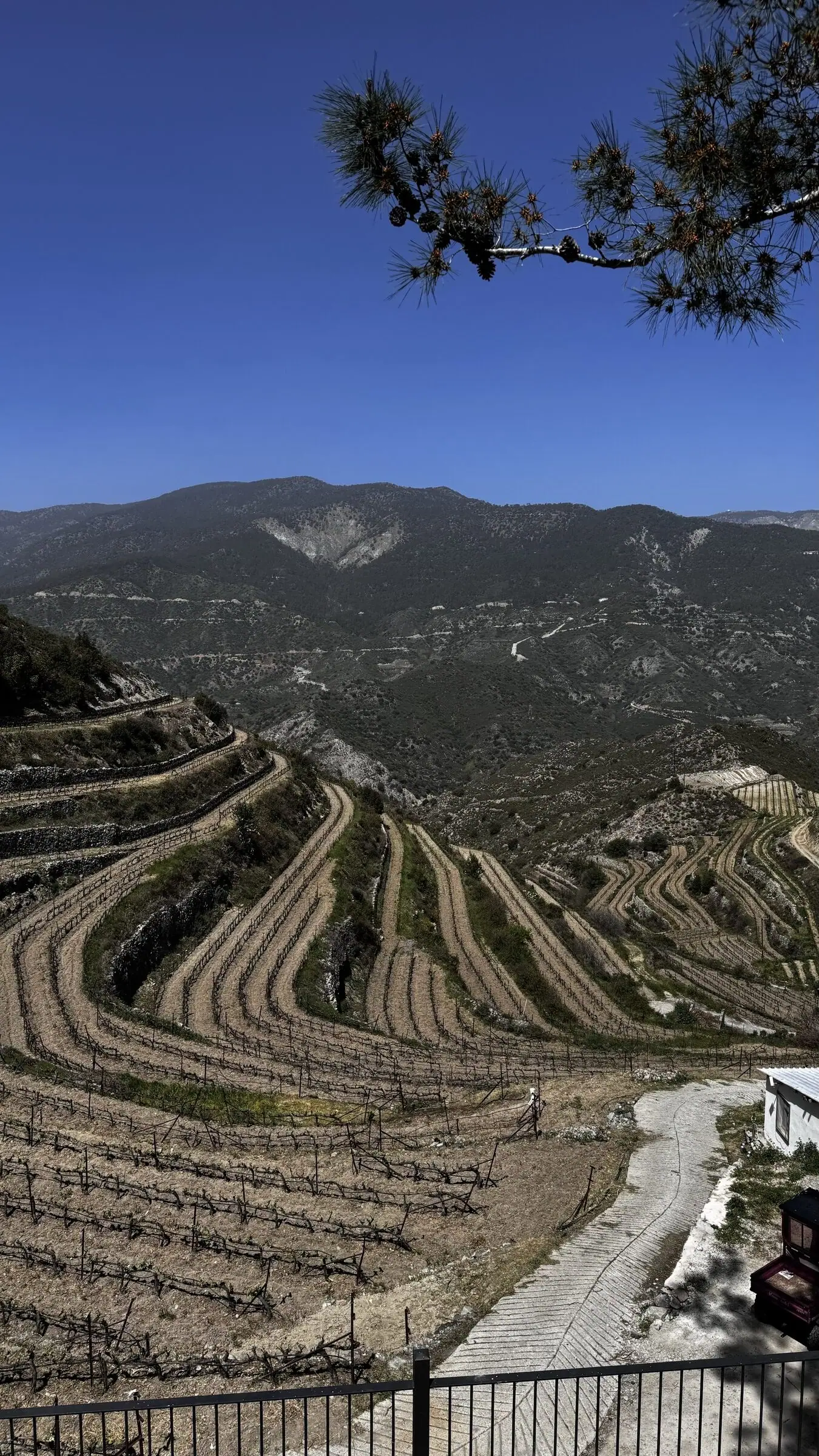
Binifadet is one of Menorca’s flagship wineries, a family project that began as a small vineyard in the late 1970s and slowly evolved into a modern estate with its own cellar, restaurant and wine tourism. The vineyards are planted in Menorca’s typical red, stony soil – the kind where you constantly kick little rocks as you walk between the rows. It’s dry, dusty and full of limestone, not at all generous, and that’s exactly why the vines work so hard and the grapes end up so concentrated.
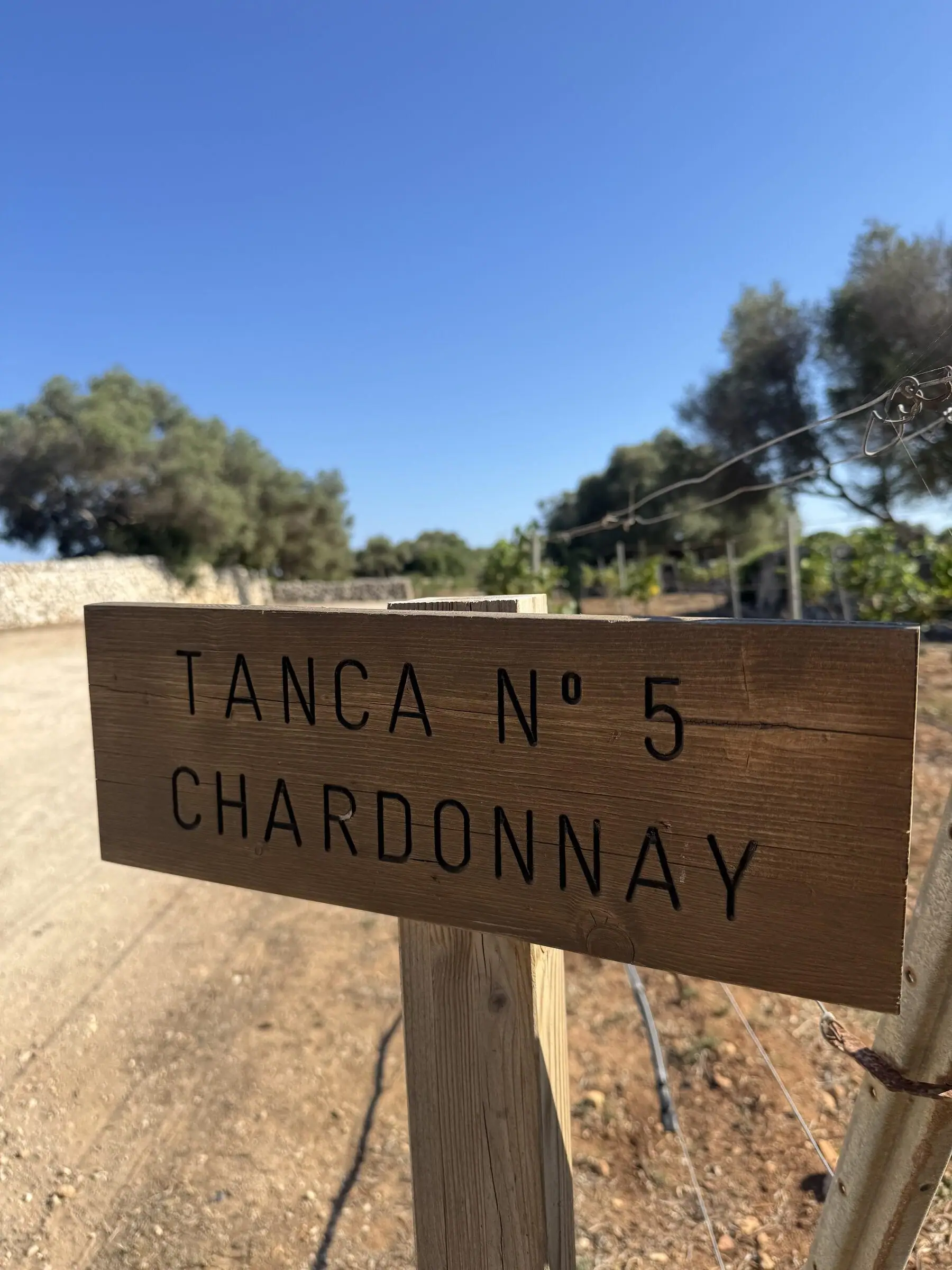
In the Chardonnay parcel, Tanca Nº 5, the contrast is beautiful: bright blue sky, low stone walls, olive trees in the distance and these neat lines of vines rooted in what looks almost too harsh to grow anything. The sea is never far away on Menorca, and you can feel that in the air – warm sun, but with a breeze that keeps the heat in check and stops the grapes from becoming flabby or overripe. The island’s Mediterranean climate brings hot, bright summers, mild winters and sea breezes that cool the vines and reduce disease pressure. Days are sunny and dry, so grapes ripen fully, while cooler nights preserve acidity. On Menorca, this balance between ripeness and freshness is key, especially for white varieties like Chardonnay.
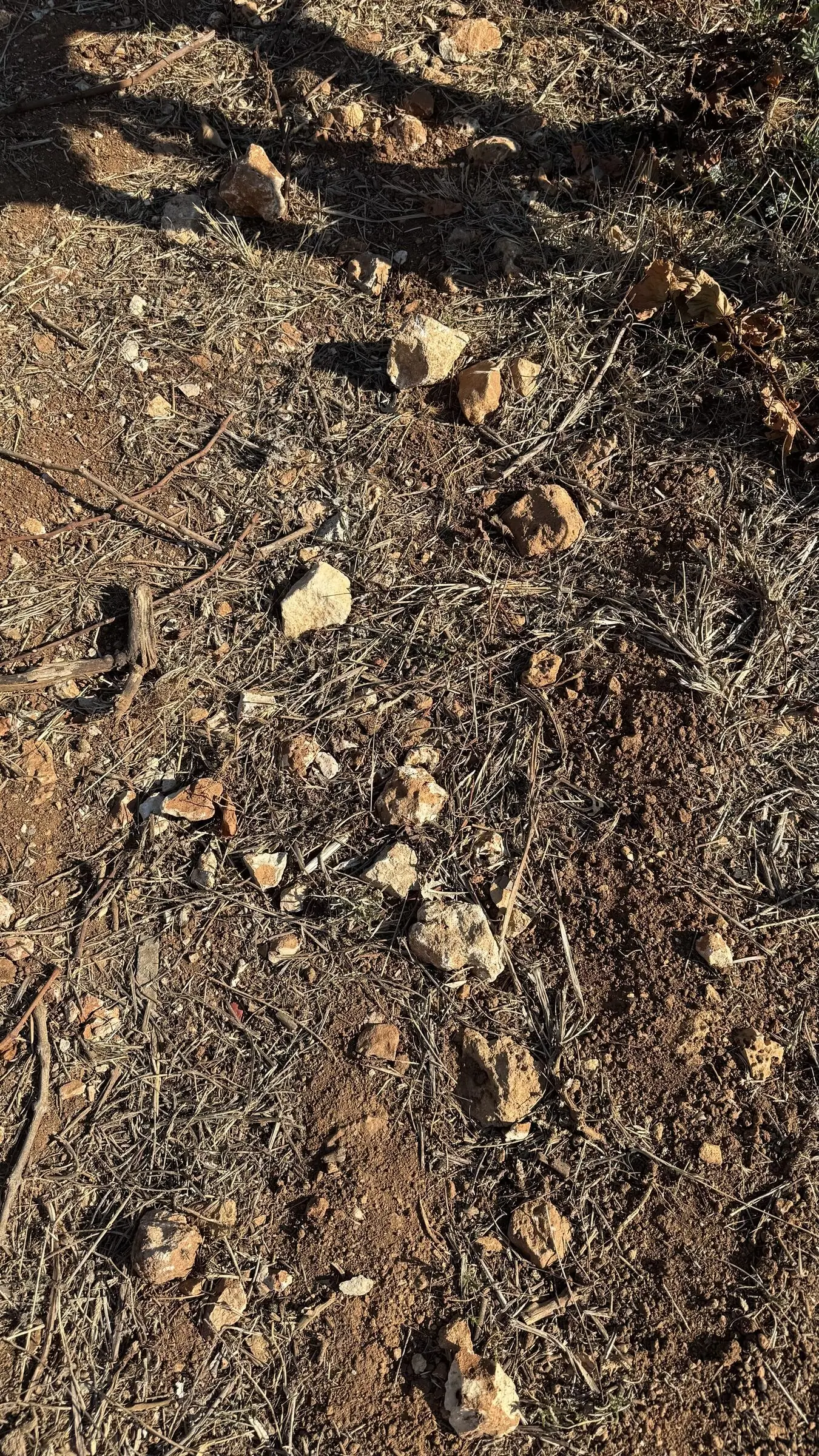
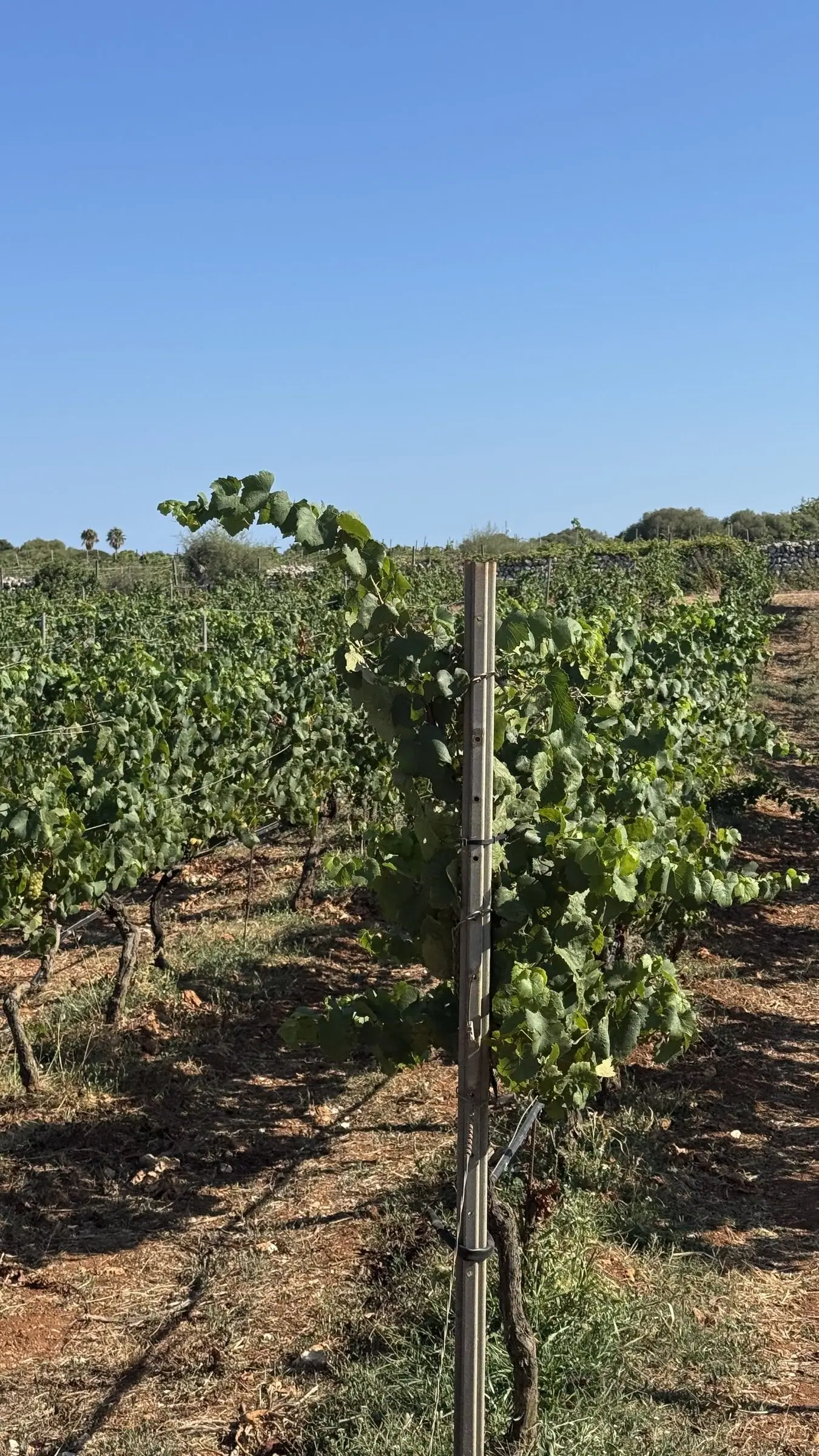
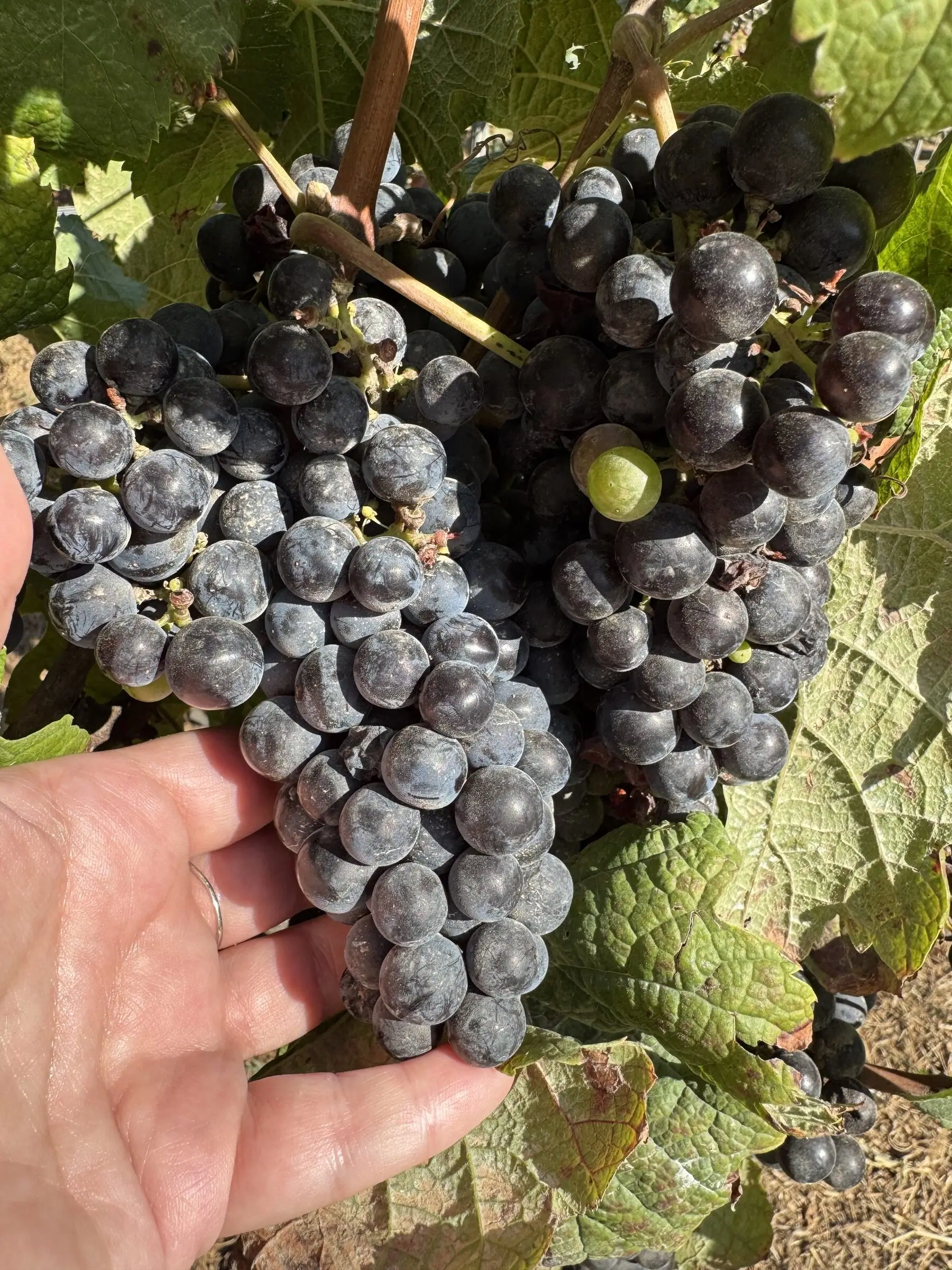
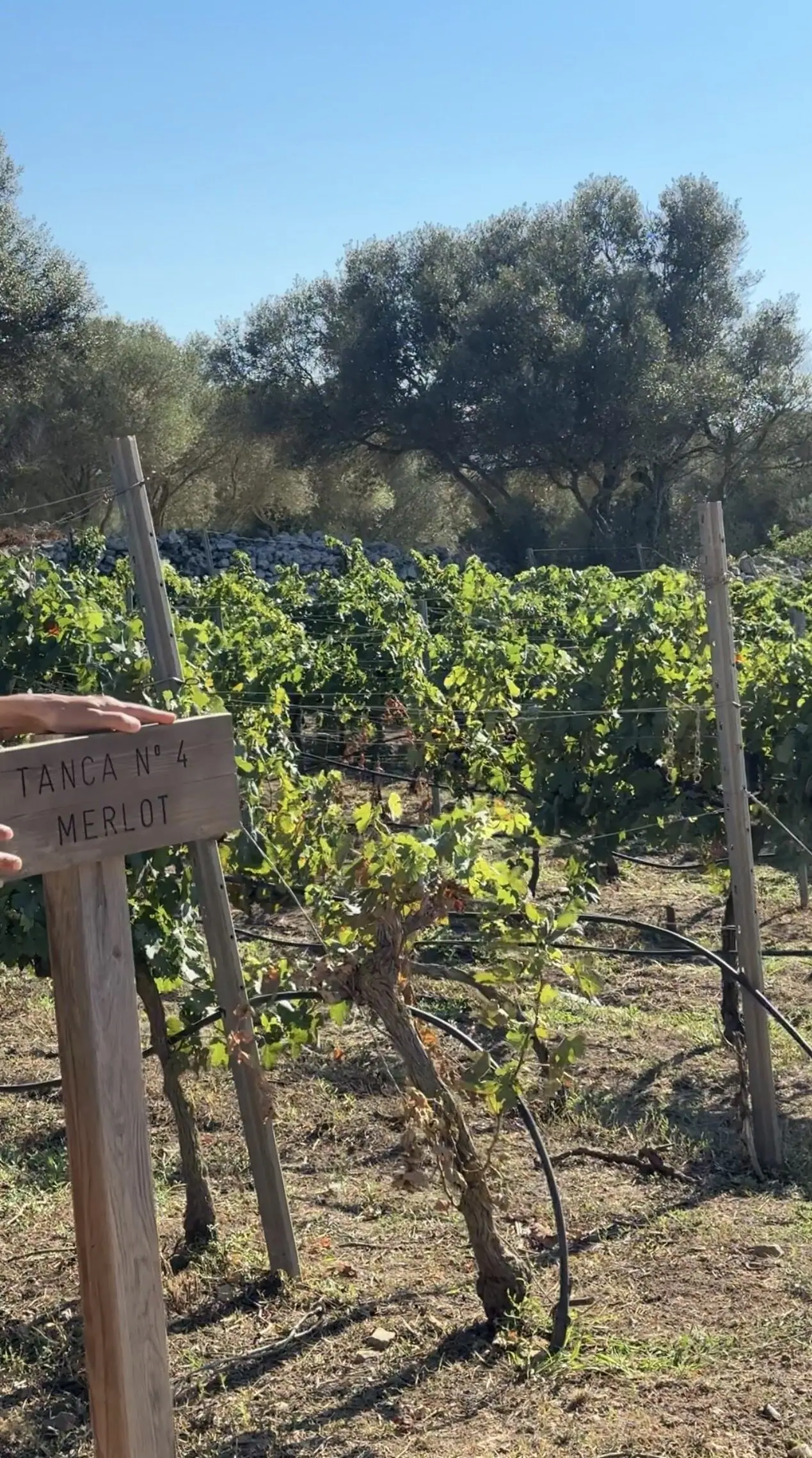
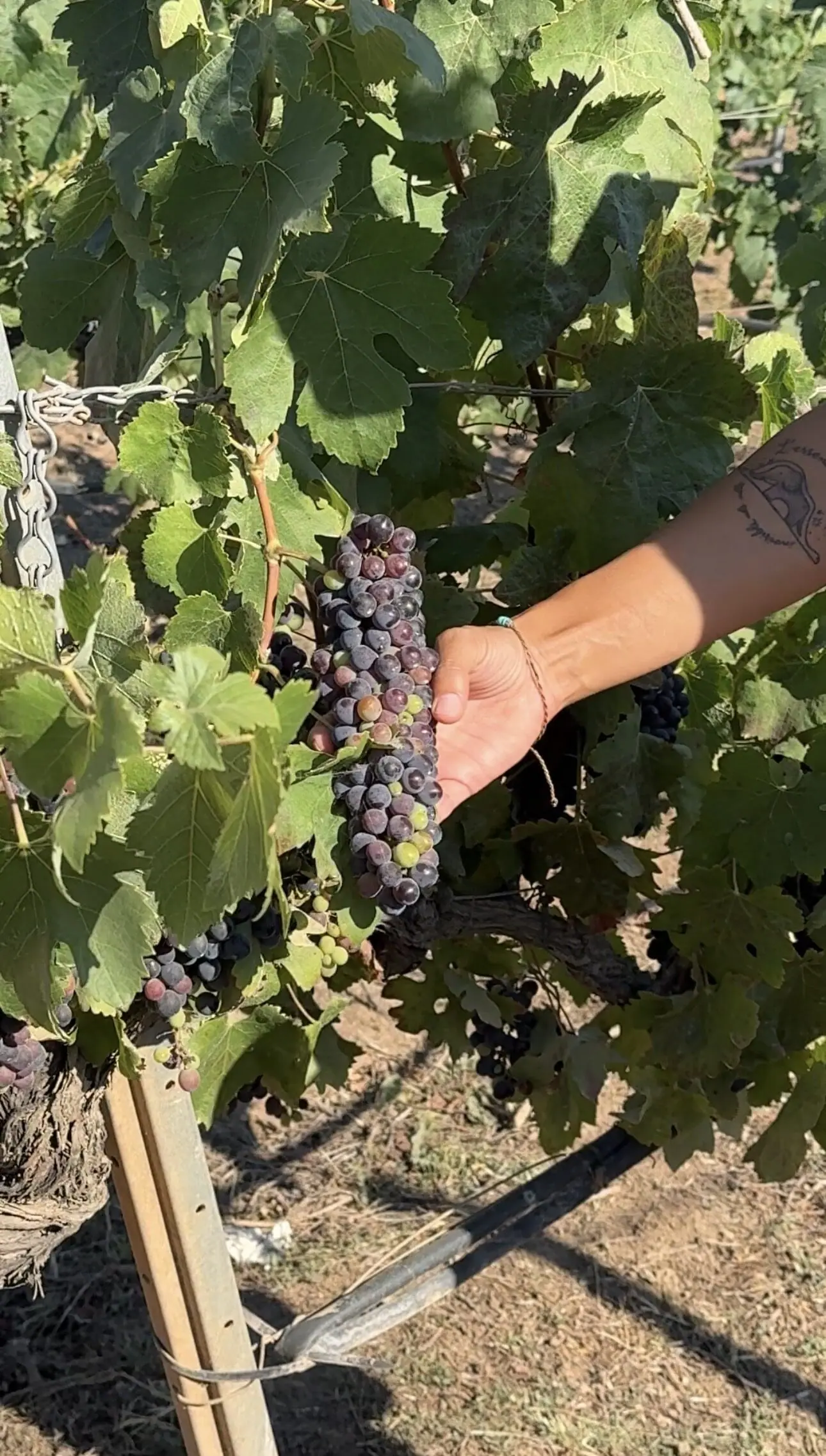
Binifadet works mainly with grapes that suit this mix of rock, sun and sea – Chardonnay for the whites, plus Cabernet Sauvignon, Syrah and Merlot. The wines end up tasting like the place they come from: sunny and ripe, but with a salty, refreshing edge that makes perfect sense when you drink them just a few kilometres from the coast. Down below, the roots have to push through the rock in search of water. That struggle naturally limits the crop and gives smaller, thicker‑skinned berries – exactly what you want for reds with colour, structure and flavour.
Under Menorca’s strong sun they ripen easily, developing dark‑fruit flavours like blackberries, cherries and plums, along with a touch of spice from the warm days. At the same time, the constant breeze and the cooler nights stop the wines from becoming heavy or jammy. You get reds that are ripe and generous, but still fresh enough to drink happily in the island’s climate.
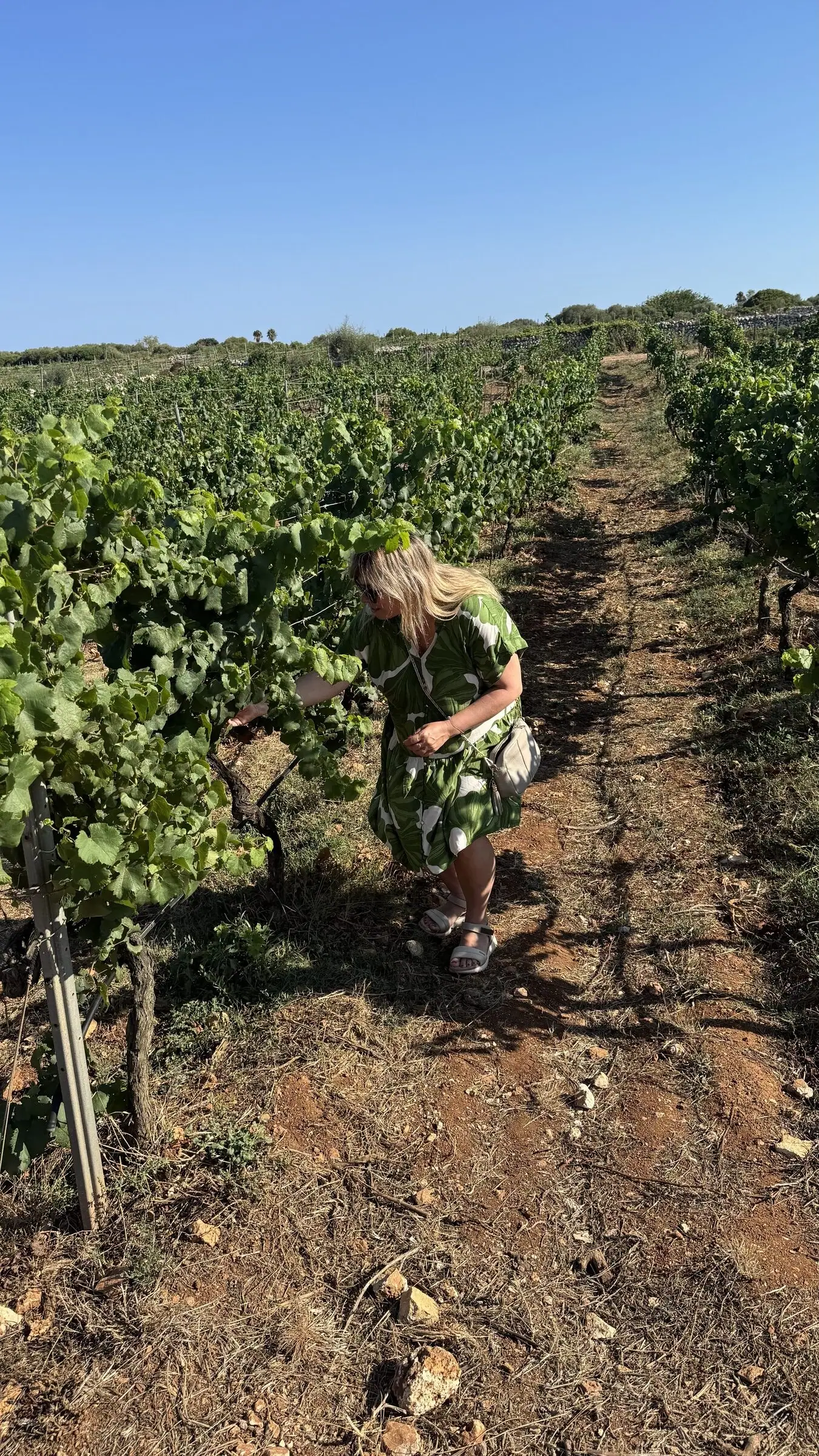
Walking those red blocks, you notice how low and tough the vines look, twisted arms trained along the wires, leaves shielding the bunches from the most brutal sun.
Cellar in the rock.
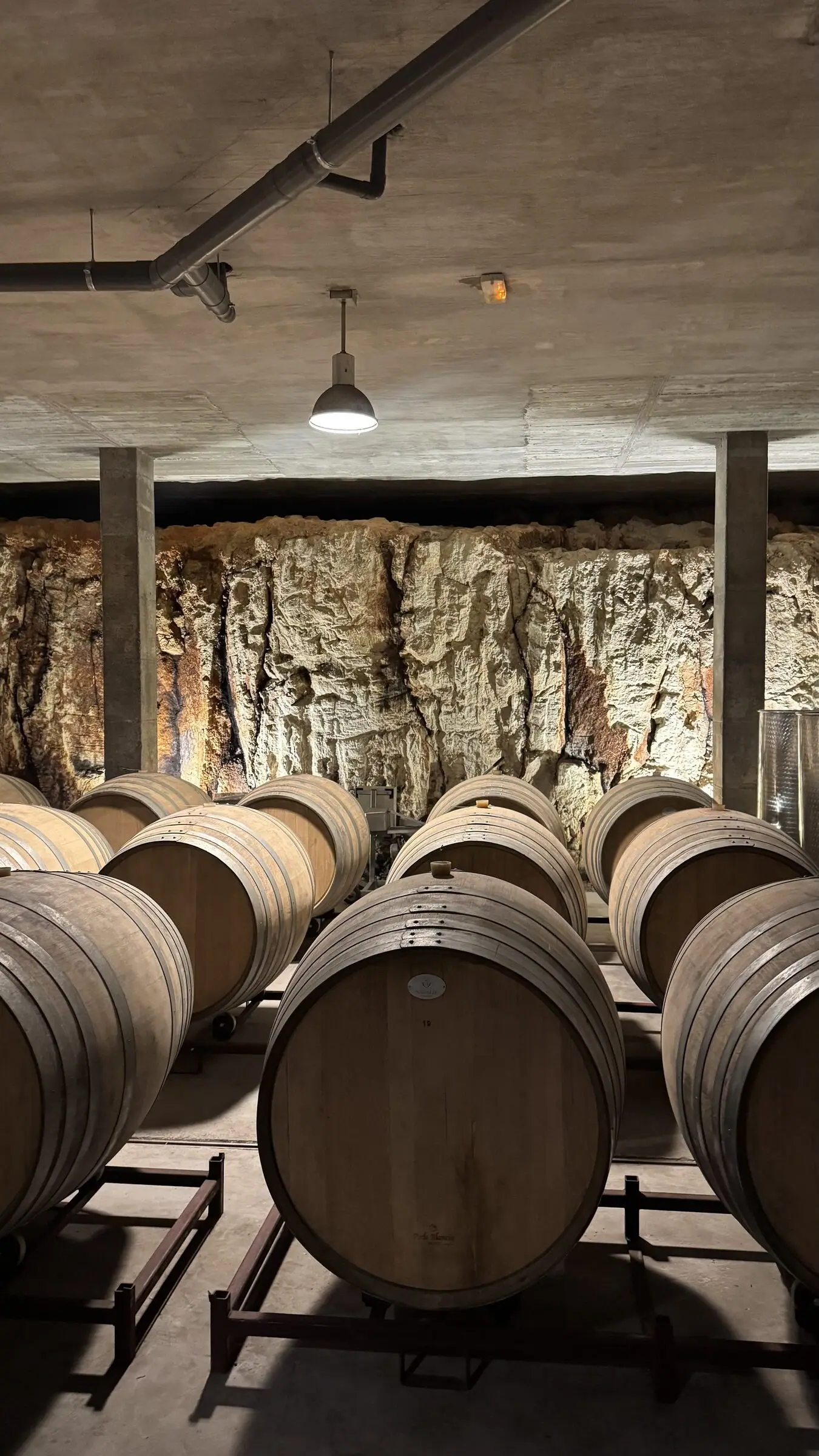
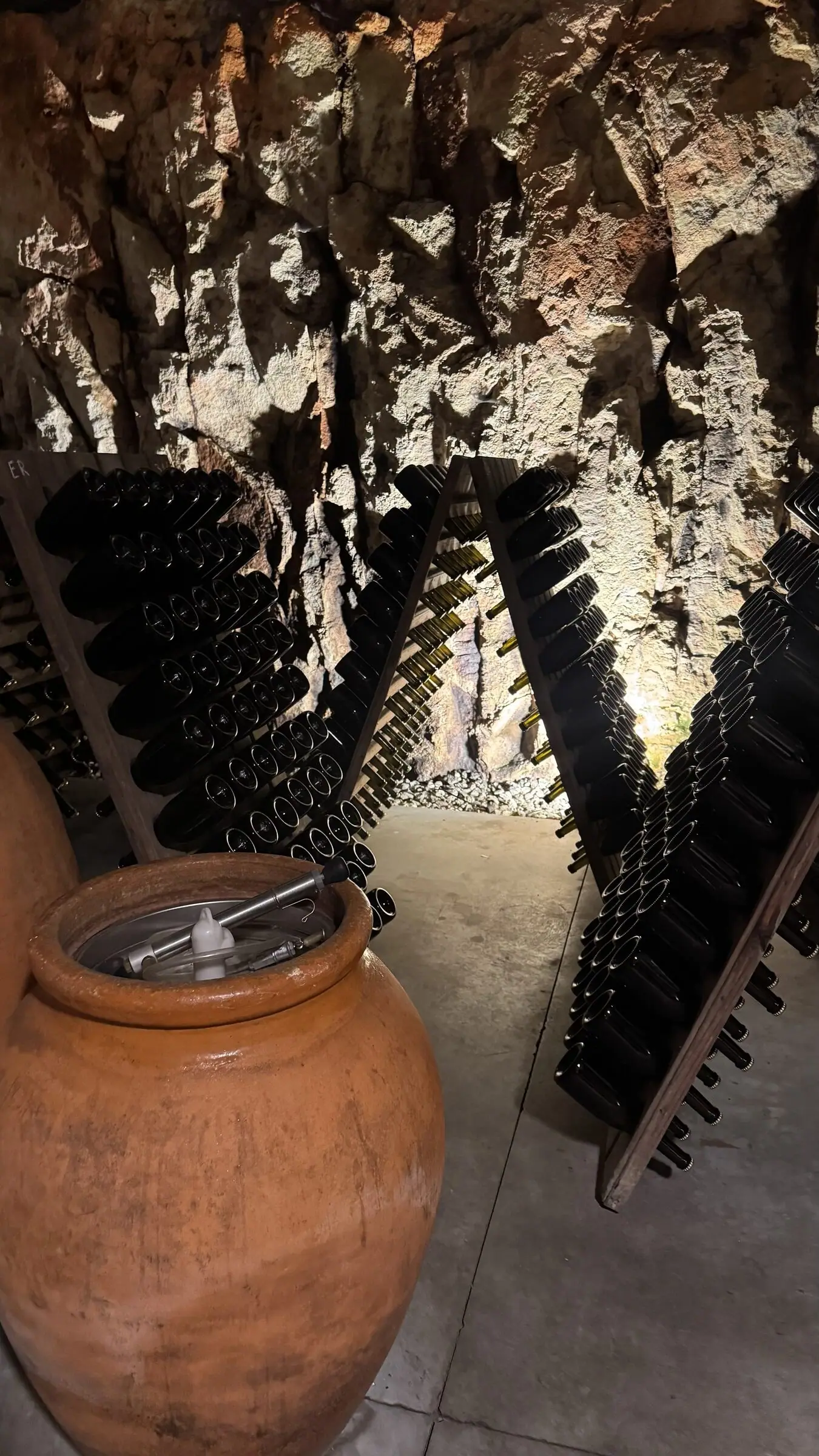
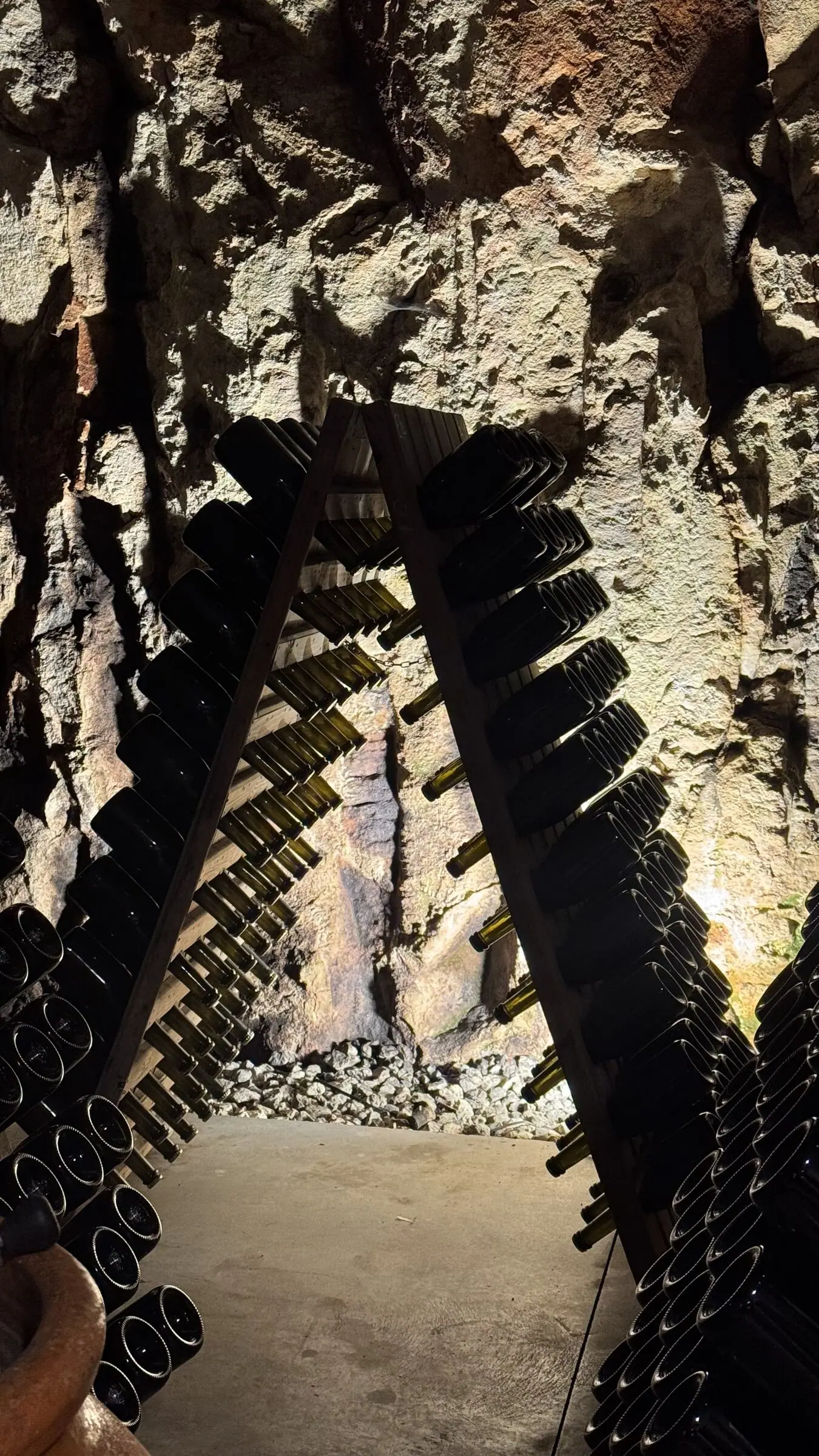
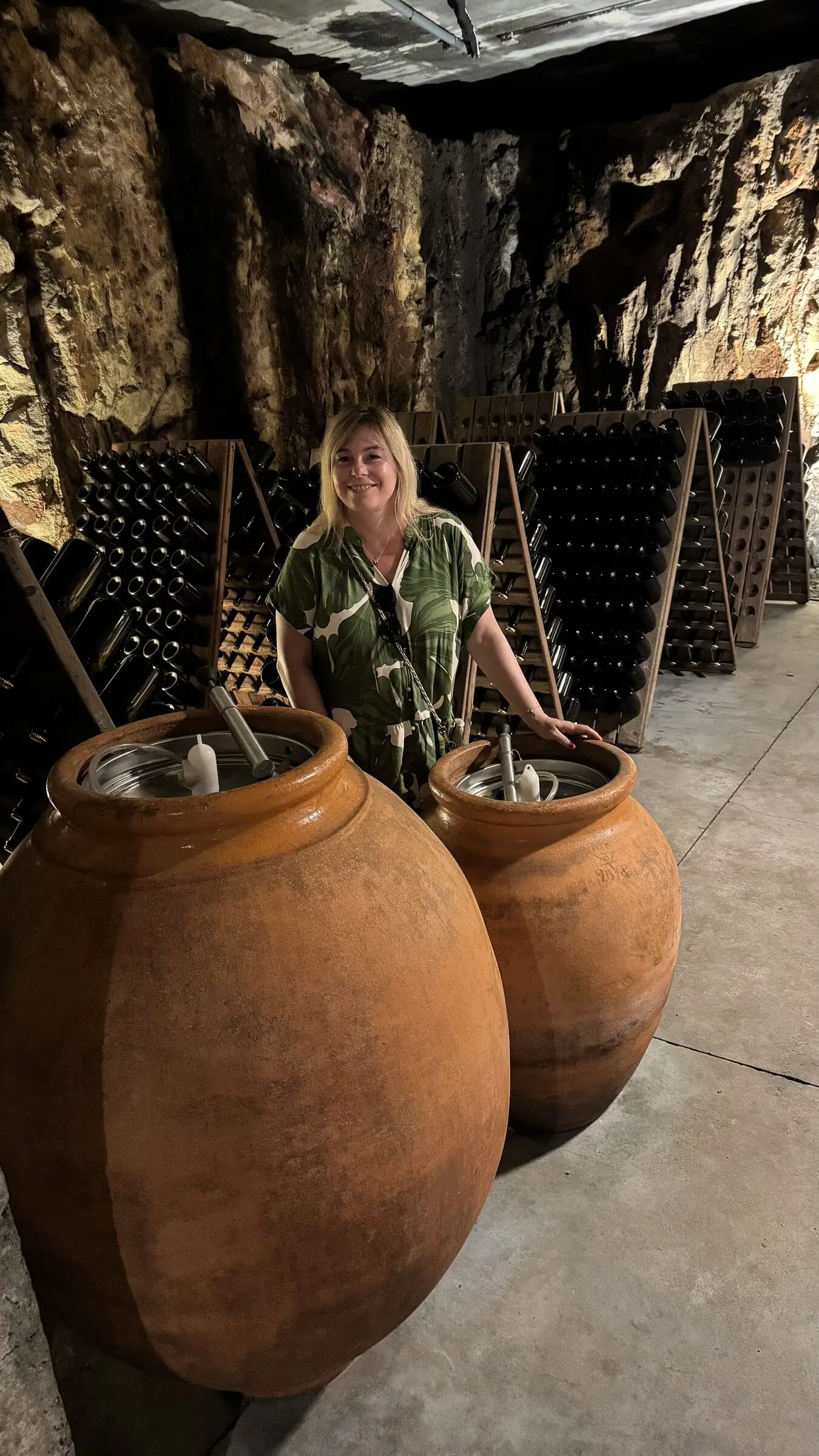
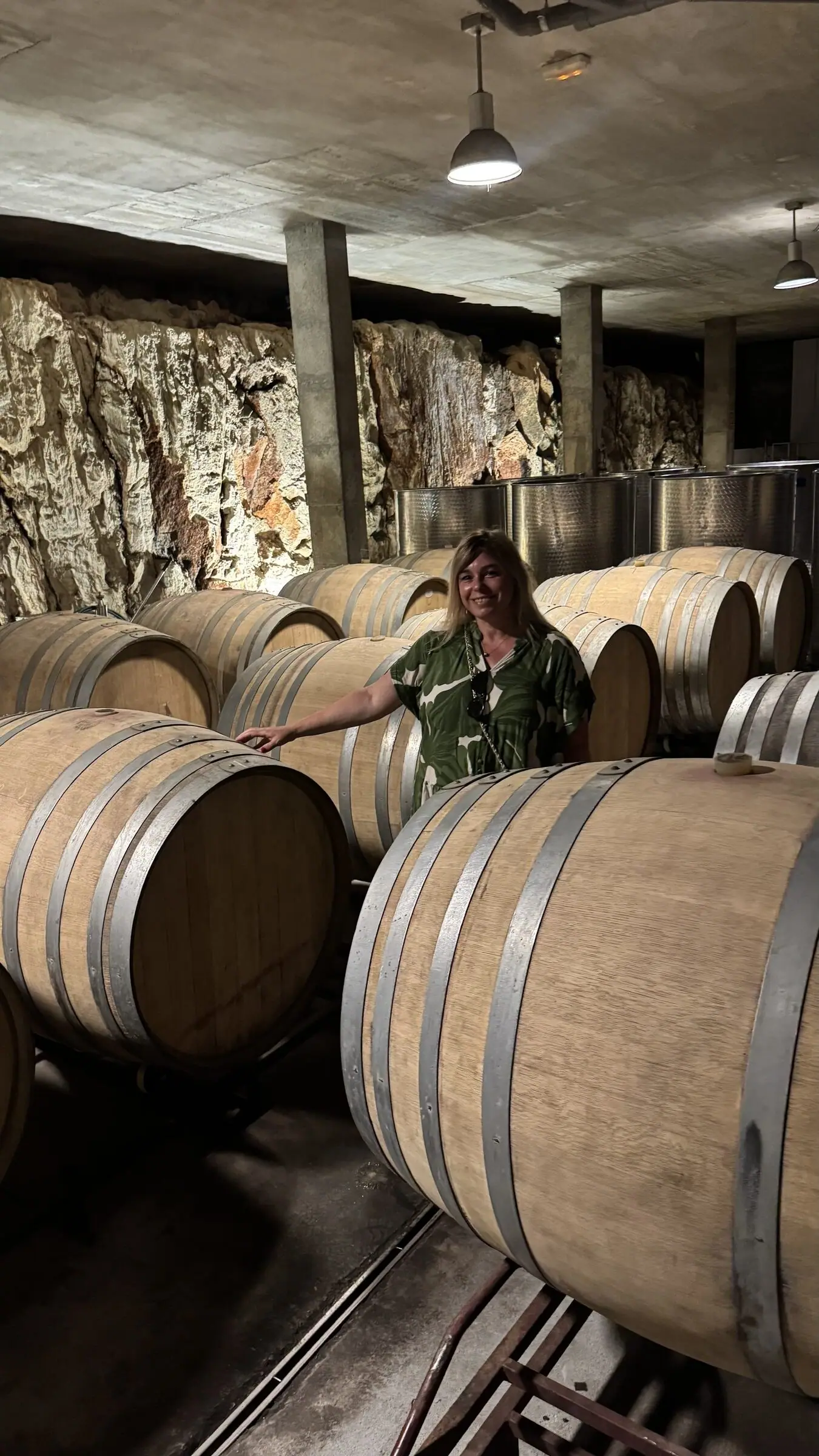
The cellar at Binifadet is dug directly into the rock, so instead of neat plastered walls you stand between rough stone, concrete pillars and rows of barrels. The rock works like natural air‑conditioning: even when Menorca is baking outside, the temperature down there stays cool and steady, and the light is soft and low. You feel the change as soon as you walk in. The air becomes heavier, quieter, with the smell of damp stone, wood and wine.
This constant, gentle coolness is perfect for the barrels. The wines aren’t rushed by sudden heat spikes or sharp drops in temperature; they age slowly and evenly. The rock also helps keep humidity more stable, which means there’s less evaporation from the barrels. It’s a simple, very old‑fashioned idea – putting wine where the earth can protect it – but it fits Menorca beautifully. While the island above is bright, hot and windy, the wines rest in this calm, stone‑walled cave until they’re ready to come back up into the light.
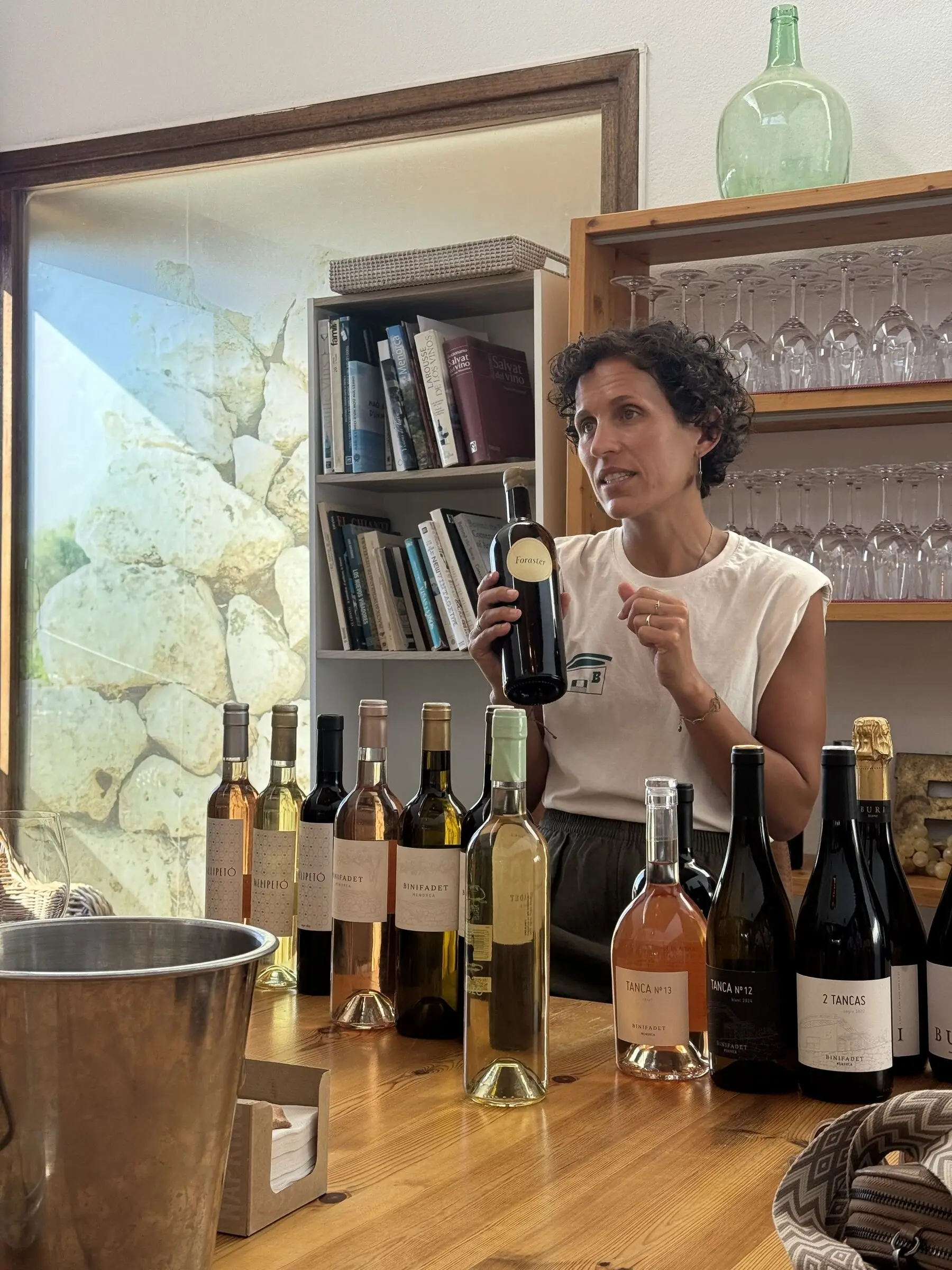
After the walk through the vineyards and the cool silence of the rock cellar, the tasting at Binifadet felt like the right finale. We sat down with a line‑up of wines that were born in this winery. These fresh whites carried bright fruit and that sea-breeze lift, while the reds showed the depth and ripeness you’d expect from vines fighting their way through stony, sun‑baked soils.
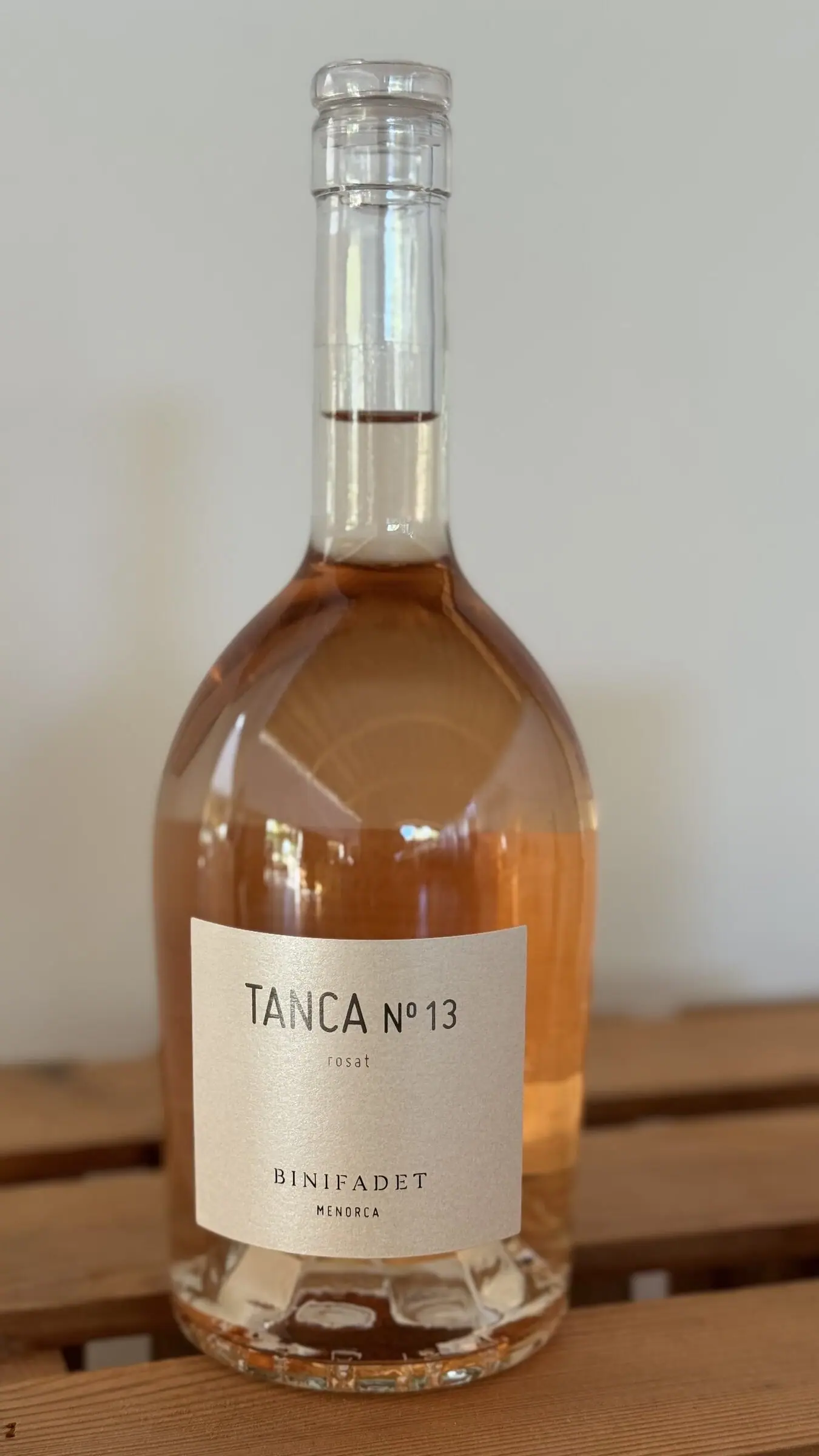
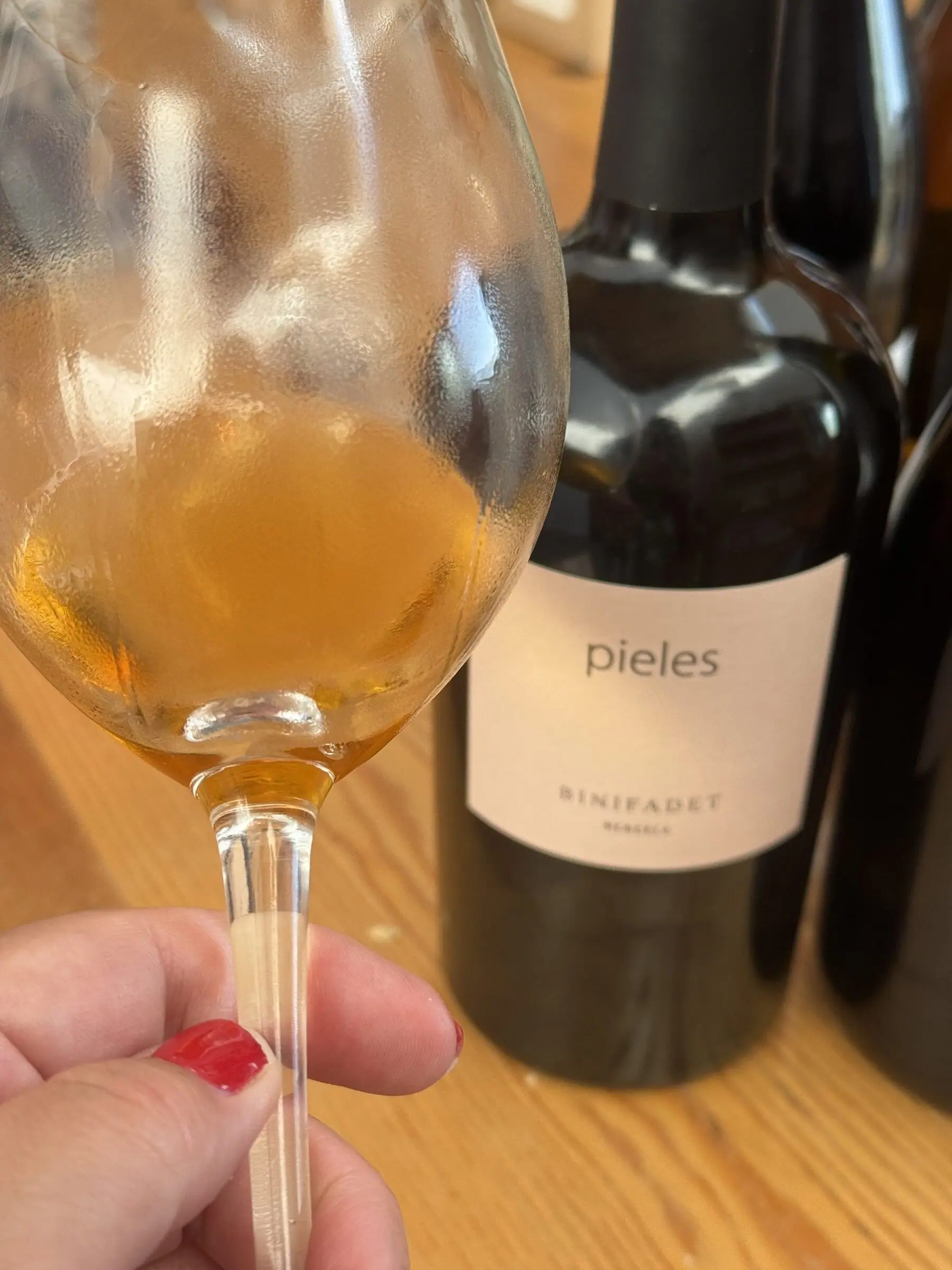
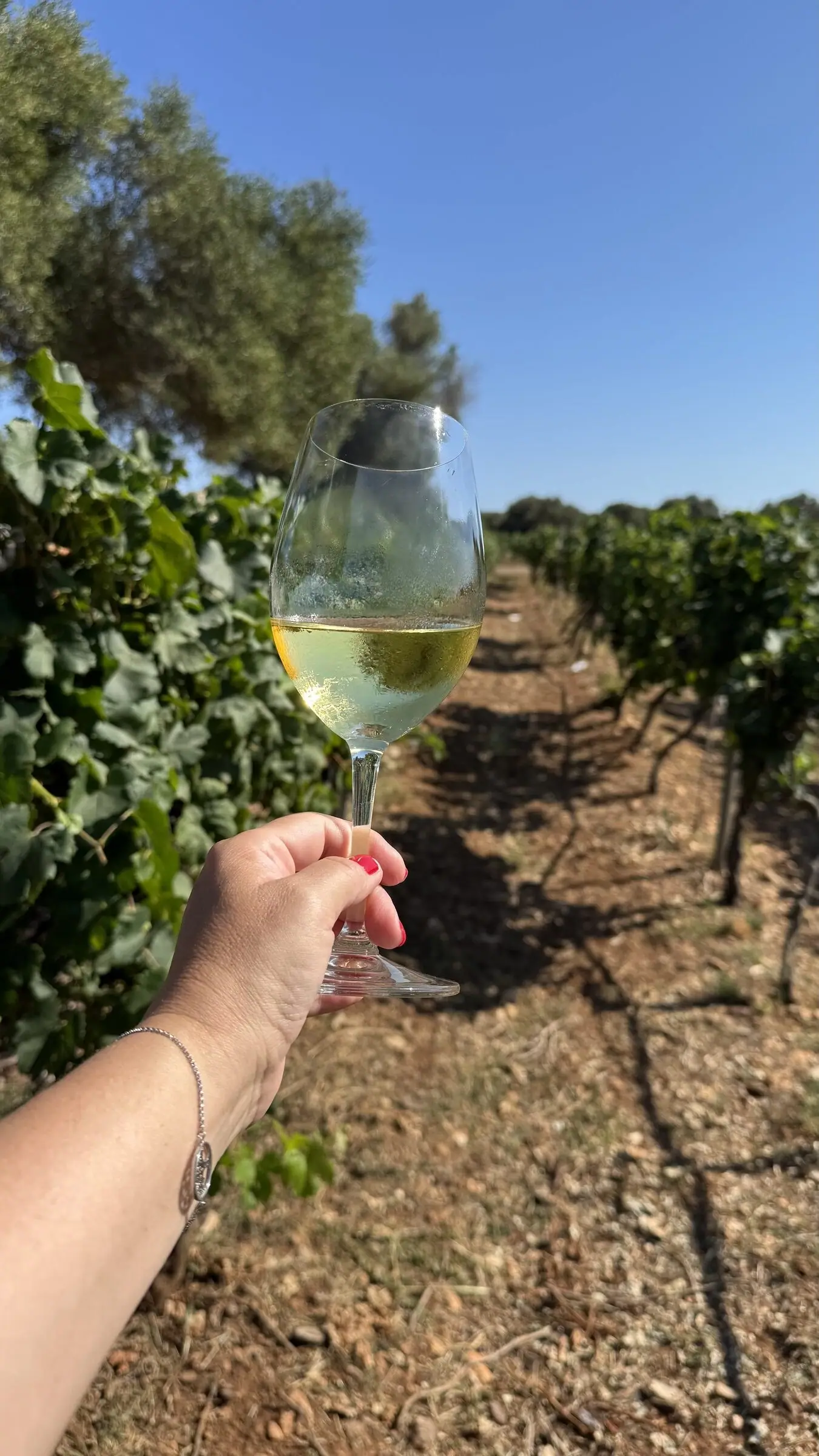
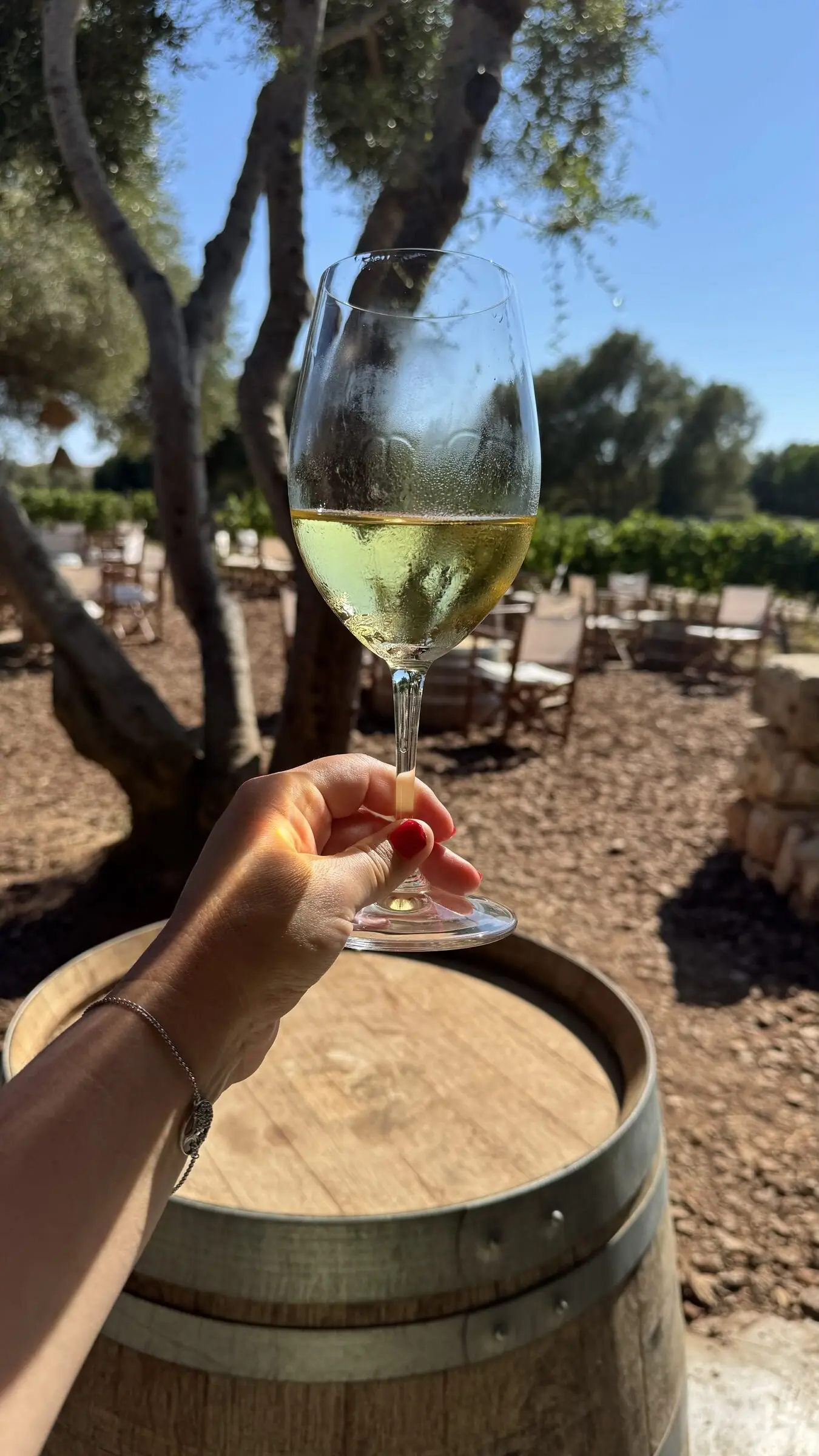
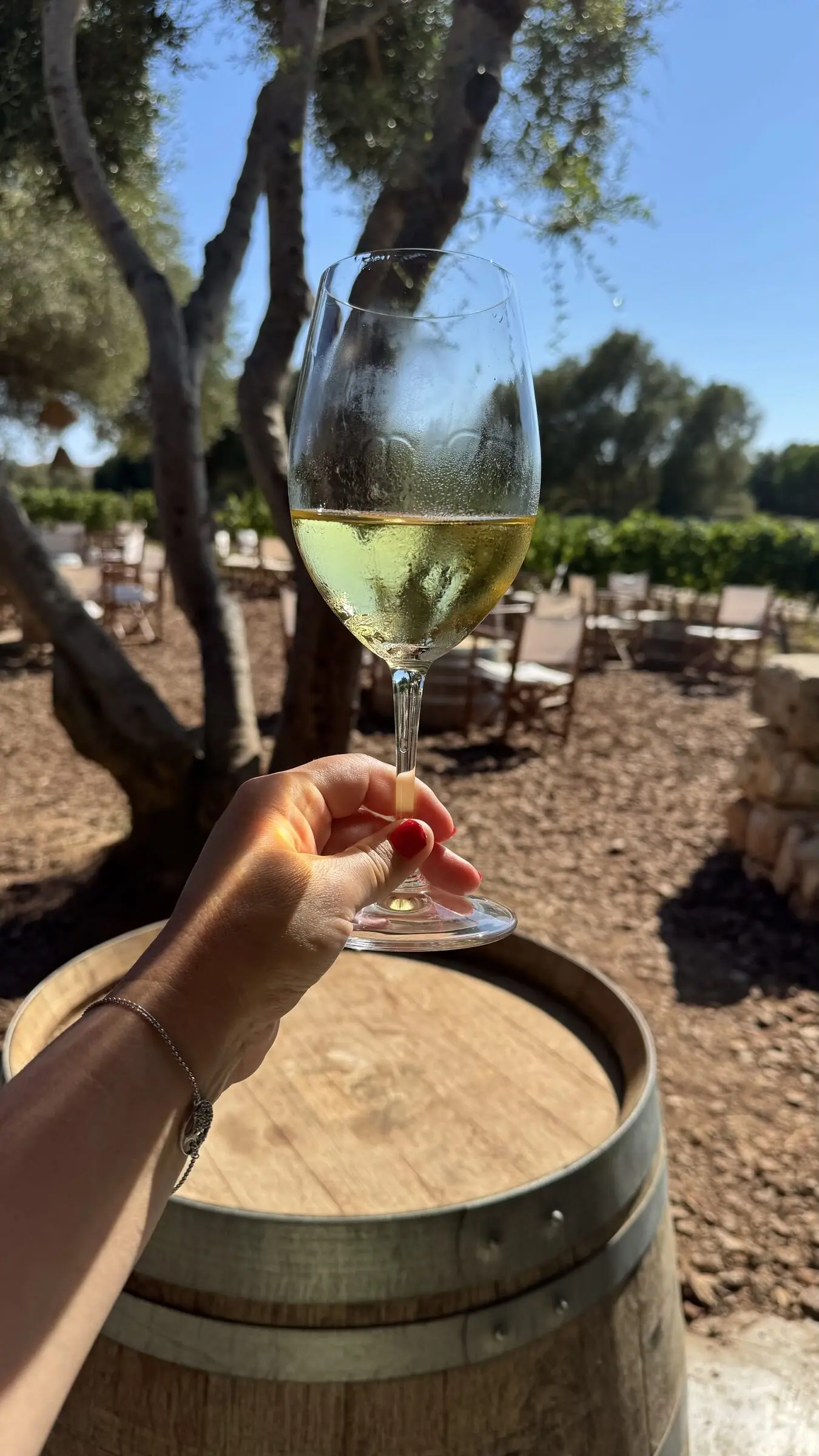
The most surprising part of the tasting was the orange Chardonnay. Made like a red wine, with the juice spending time on the skins, it had a deeper colour and a completely different personality from a classic white. In the glass it showed notes of dried citrus peel, apricot and herbal tea, wrapped in gentle tannins that gave it a light grip on the palate. It still carried the freshness and salty edge of Menorca, but with an extra layer of texture and complexity that made it feel almost like a bridge between white and red, the kind of wine you want to keep sipping just to figure it out.
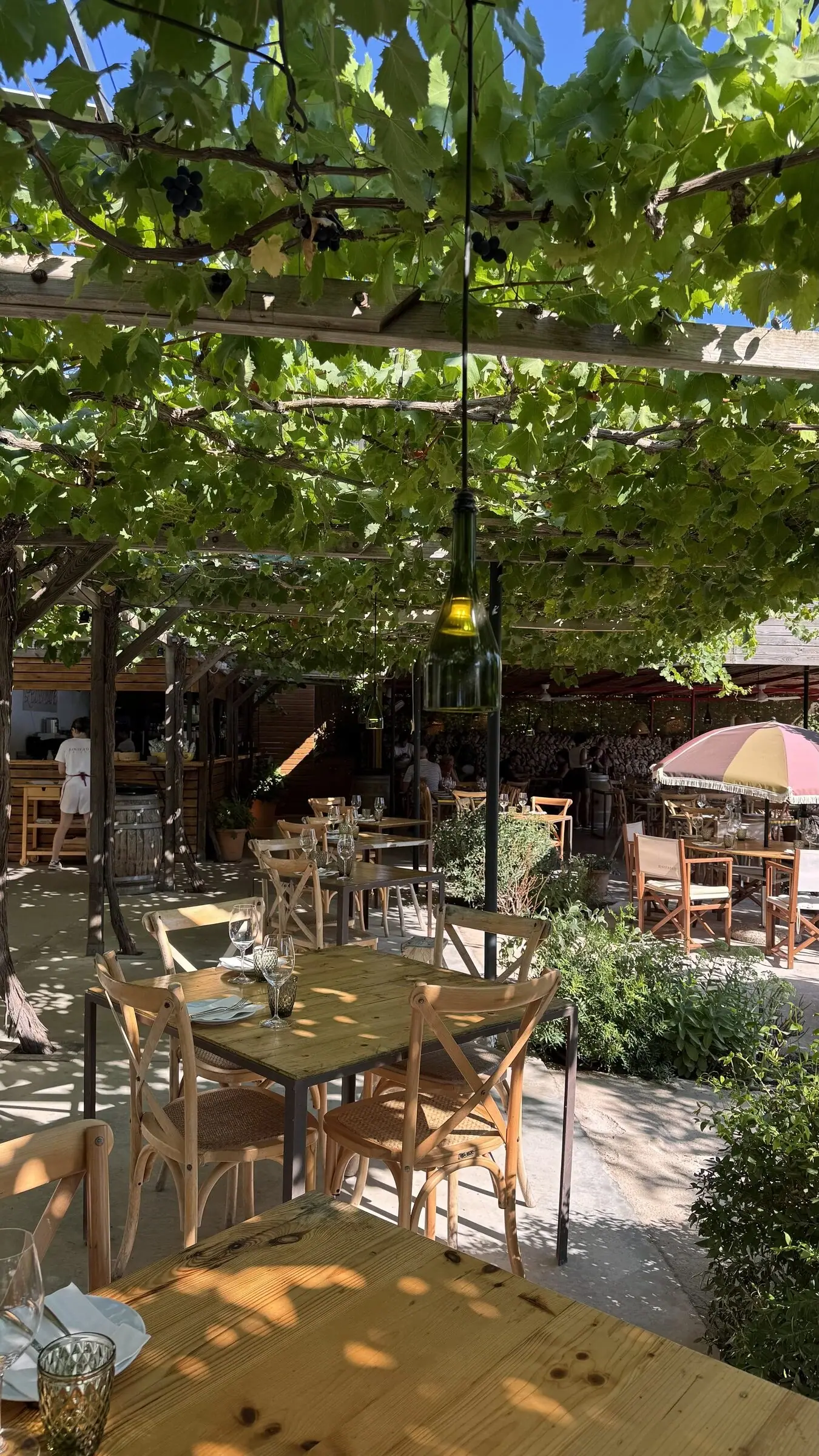
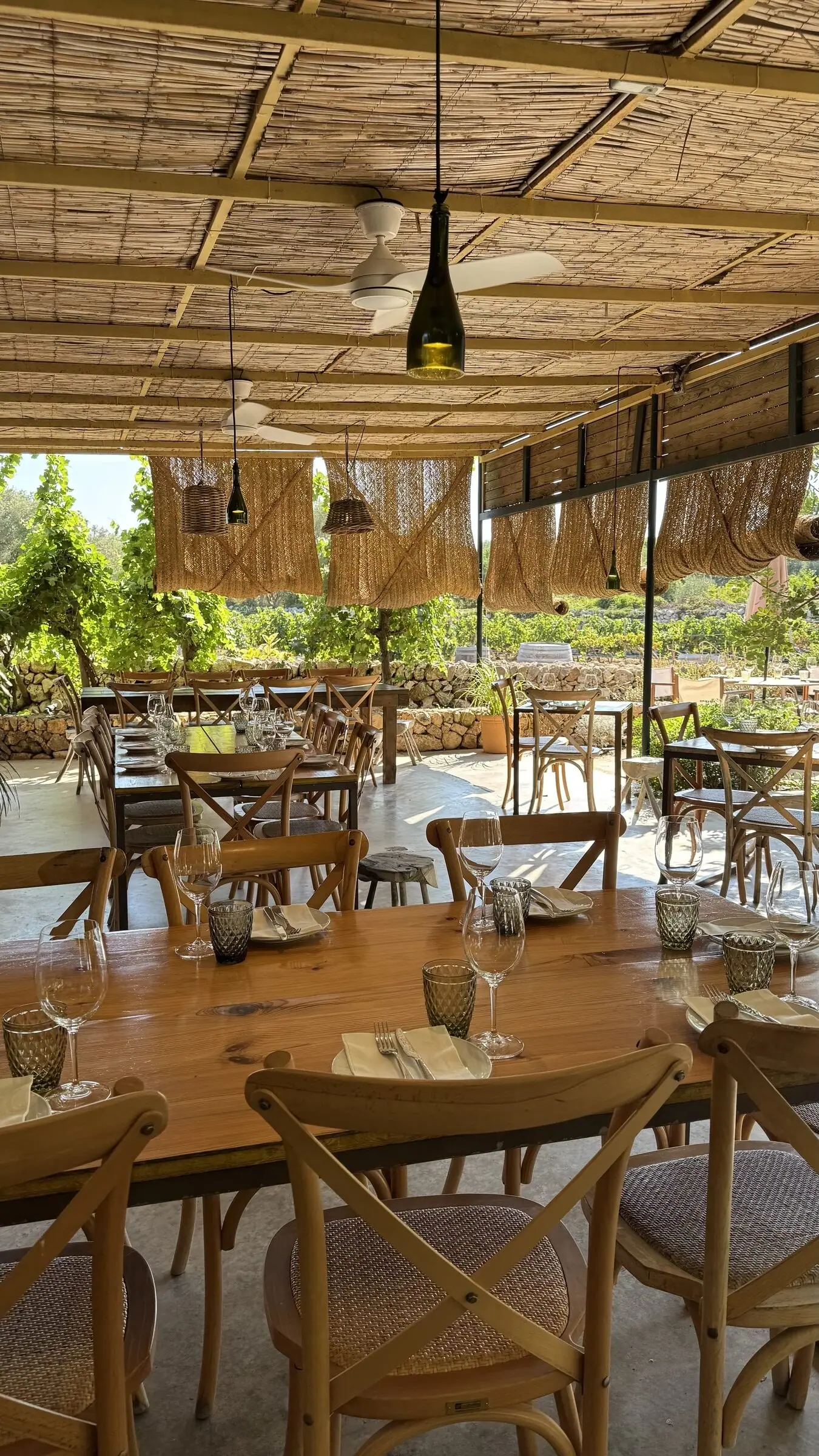
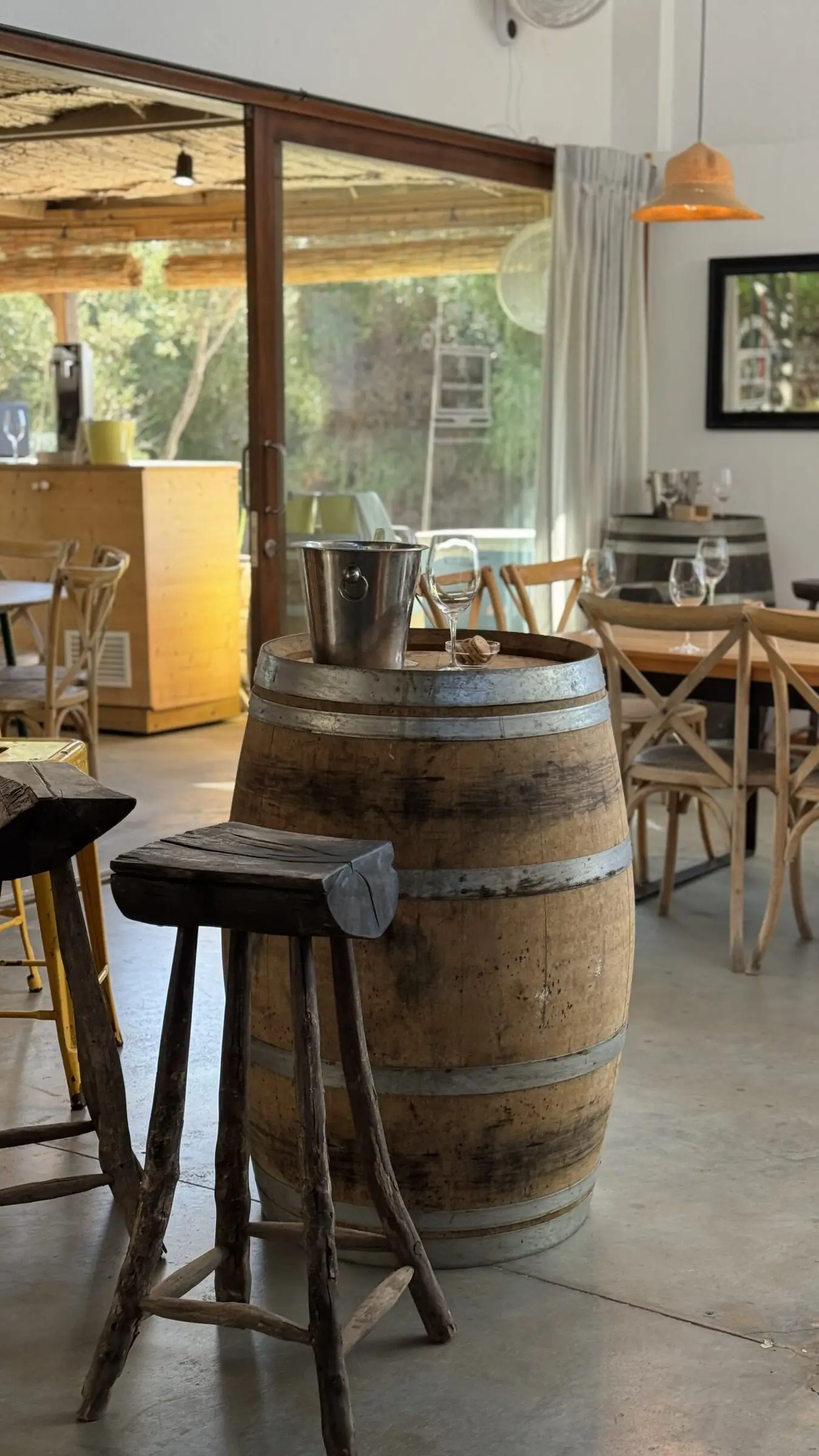
The terrace sits right beside the vines, so you taste with a view of the very rows you’ve just walked through. The menu leans into Menorcan flavours: lots of fresh seafood, local cheeses and simple Mediterranean dishes to pair with the wine.
Sipping a chilled Chardonnay or their orange wine with plates in the middle of the table, the whole place feels like a long, lazy island lunch.
We left with a few bottles in the bag to enjoy by the sea later. I’d come back on my next trip.