How wine became my story
It began with supermarket bottles and an Instagram blog in Ukraine. Then came a move to London, WSET qualifications, and a career in wine I once thought unrealistic.
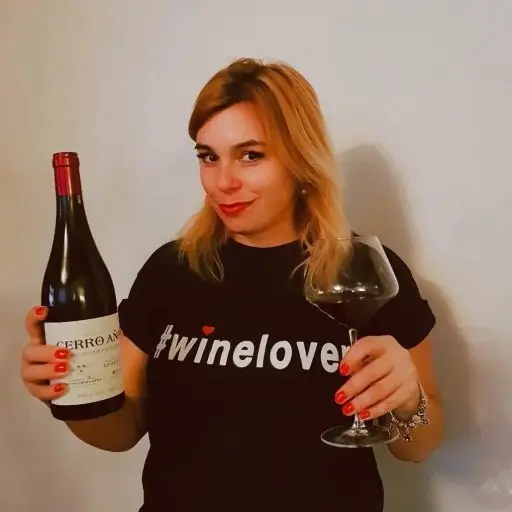
A few years ago, I would never have guessed that one glass of wine could change my direction.
Back then, wine was just part of the table: easy, social, nothing I thought too deeply about. Until one evening, a glass made me pause and sparked my curiosity.
Where was it from? Who made it? Why did it taste like this?
That is where my wine story began.
Not long before, I had travelled to Spain on a wine-related business trip to Galicia. I was working as an import manager for a large trading company, and wine was a new category we were adding to the portfolio. My knowledge at the time was limited, largely practical.
A Coruña.
The landscape felt raw and elemental. The steep green hills, relentless Atlantic winds, vineyards clinging to slopes that seemed almost impossible to cultivate. I met people who lived and breathed wine: winemakers, growers and sommeliers in small local wine bars who could speak about a single bottle with striking clarity and conviction.
It was there that wine first revealed itself as a culture shaped by place, people and purpose.
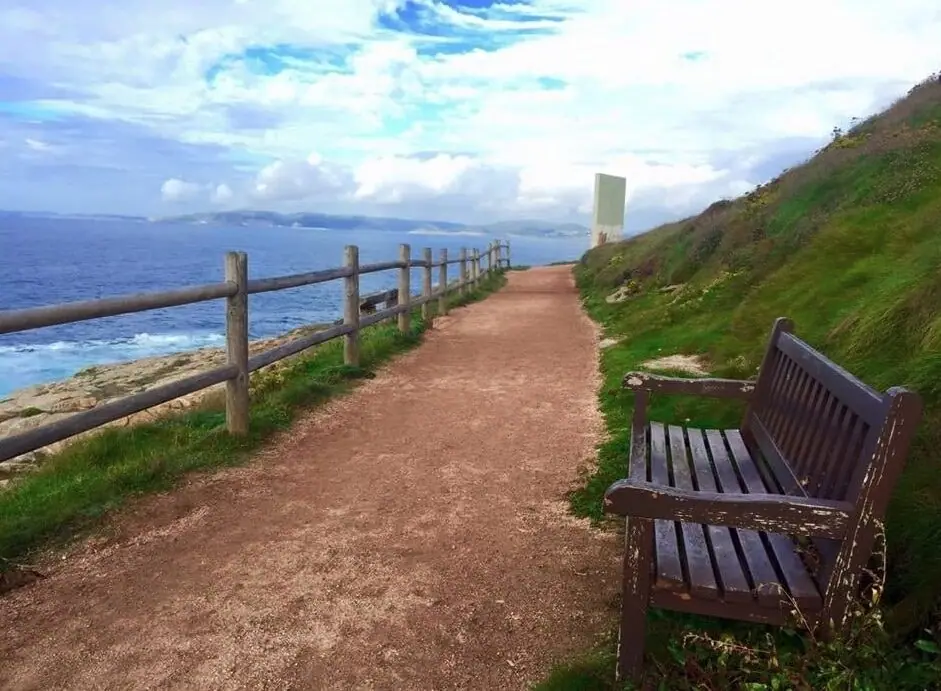
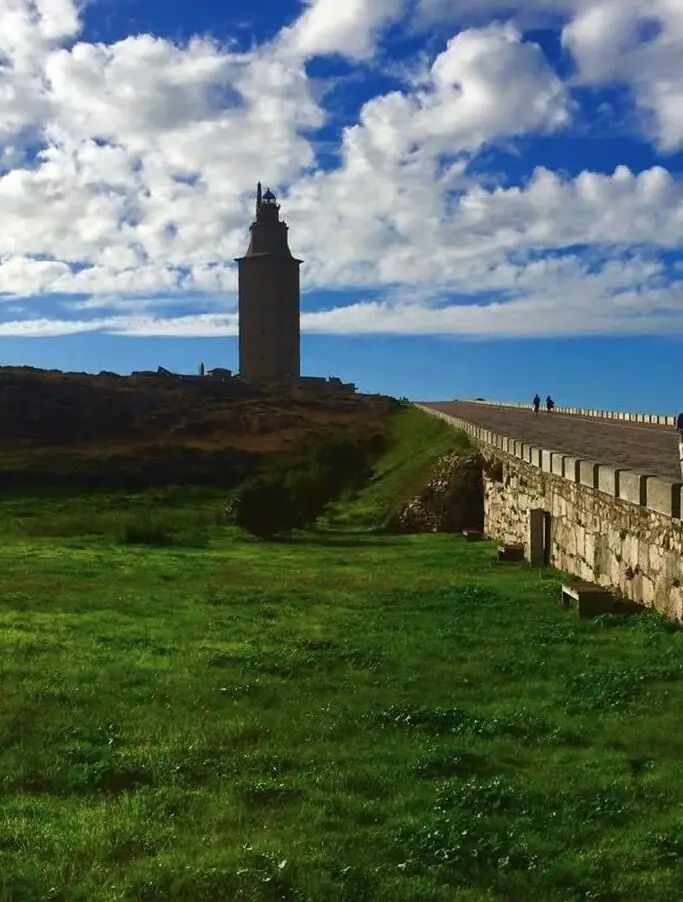
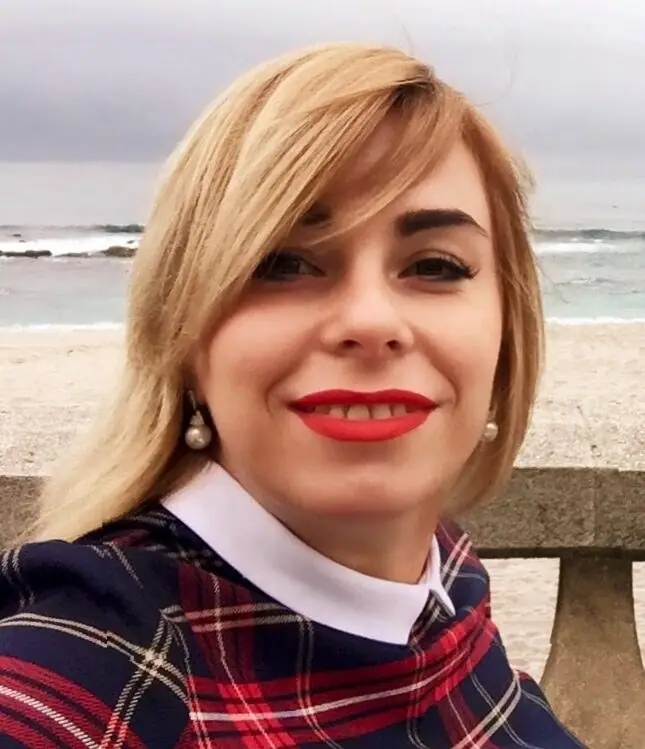
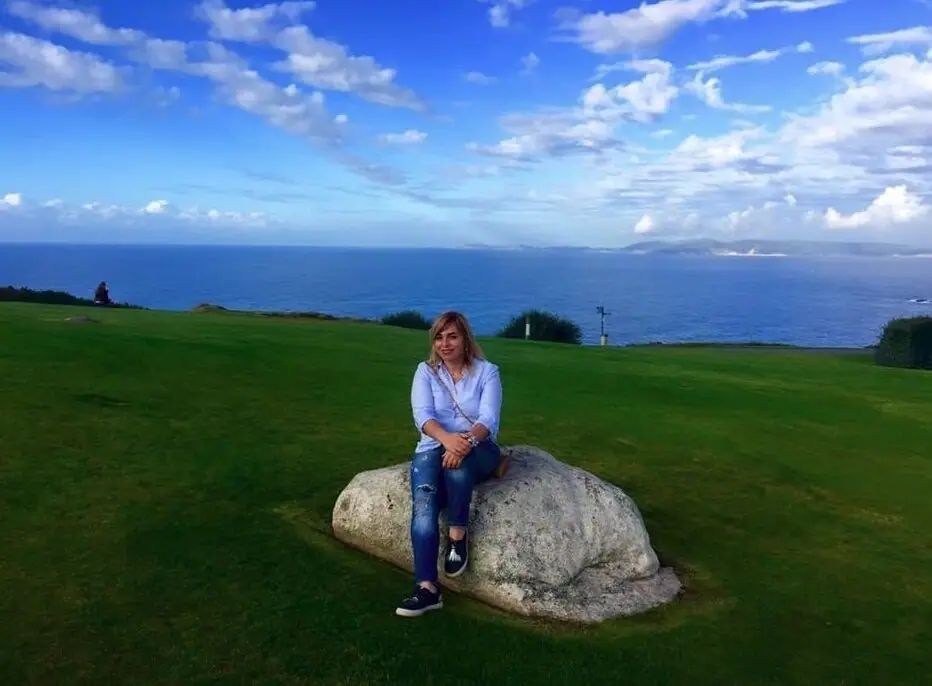
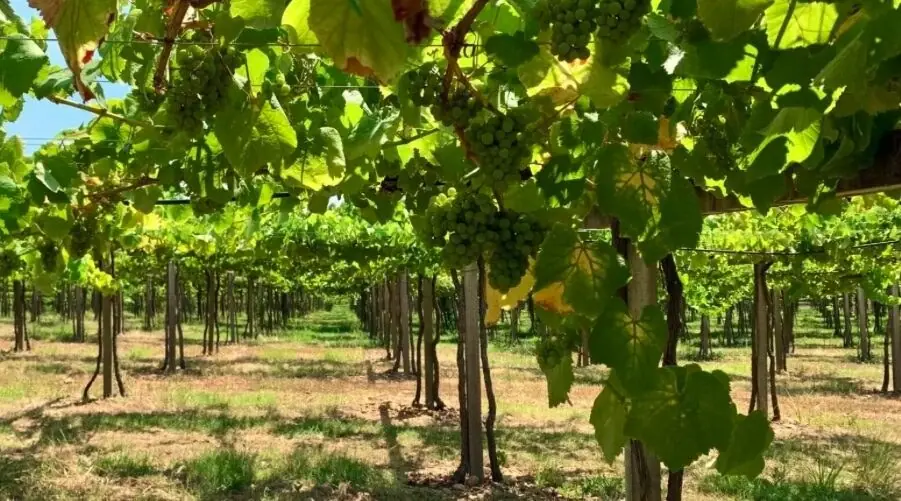
In Galicia, I understood that wine could be a world of its own, and I fell in love with it.
Back in Ukraine, I wanted to preserve that feeling. I began an Instagram blog, initially as a personal exercise, sharing bottles I enjoyed (at first, mostly supermarket wines) along with brief reflections from the glass. The format was simple: an image, a few thoughts, sometimes a memory sparked by the wine.
Gradually, what started as a quiet habit became a point of connection with wine lovers from different countries, backgrounds and levels of experience.
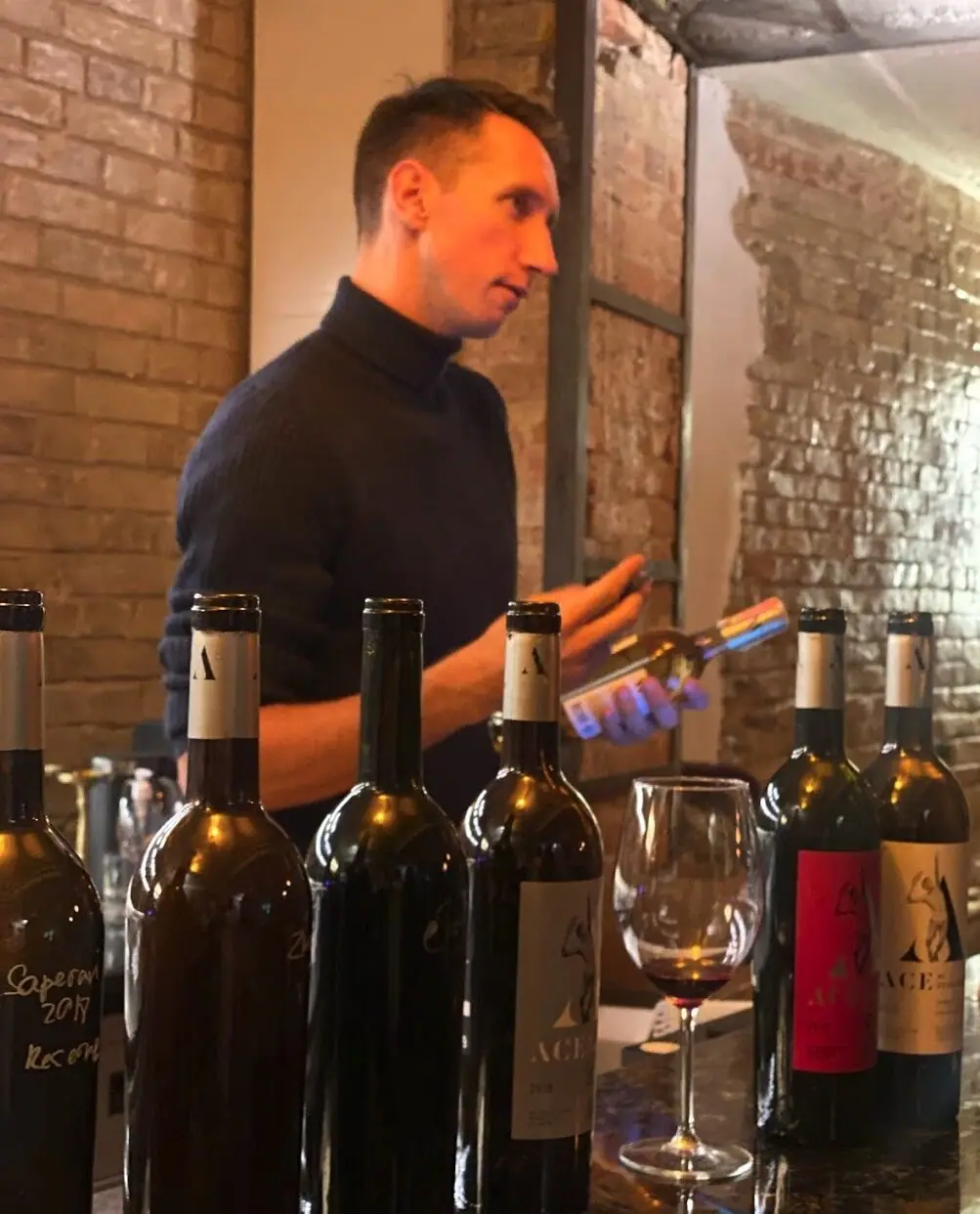
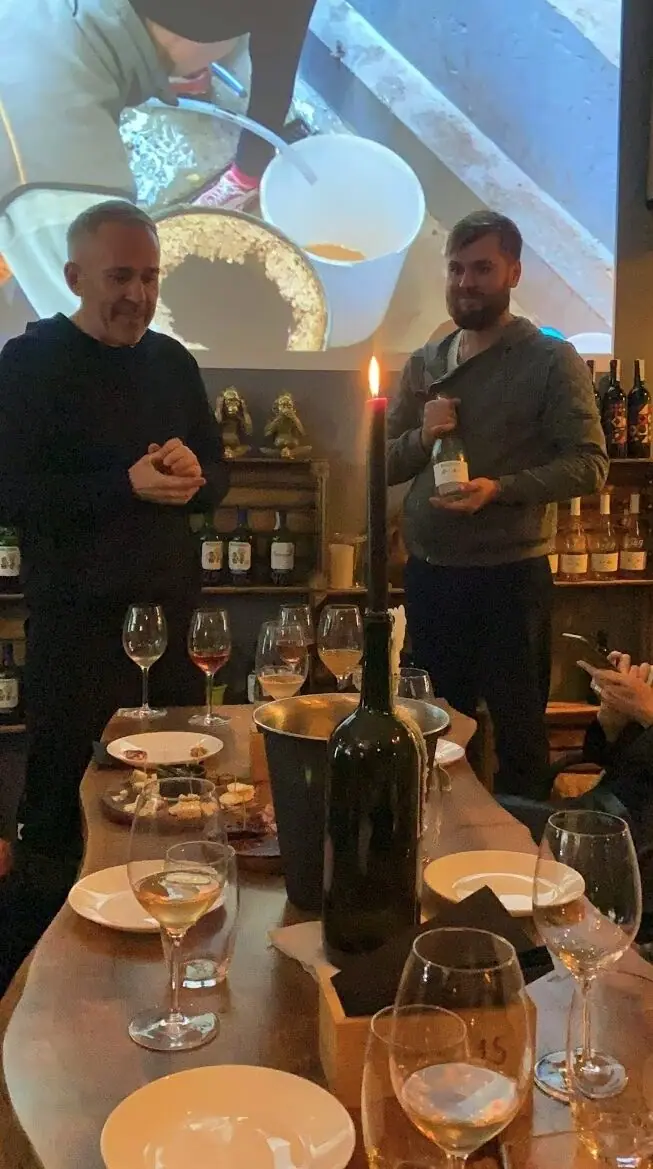
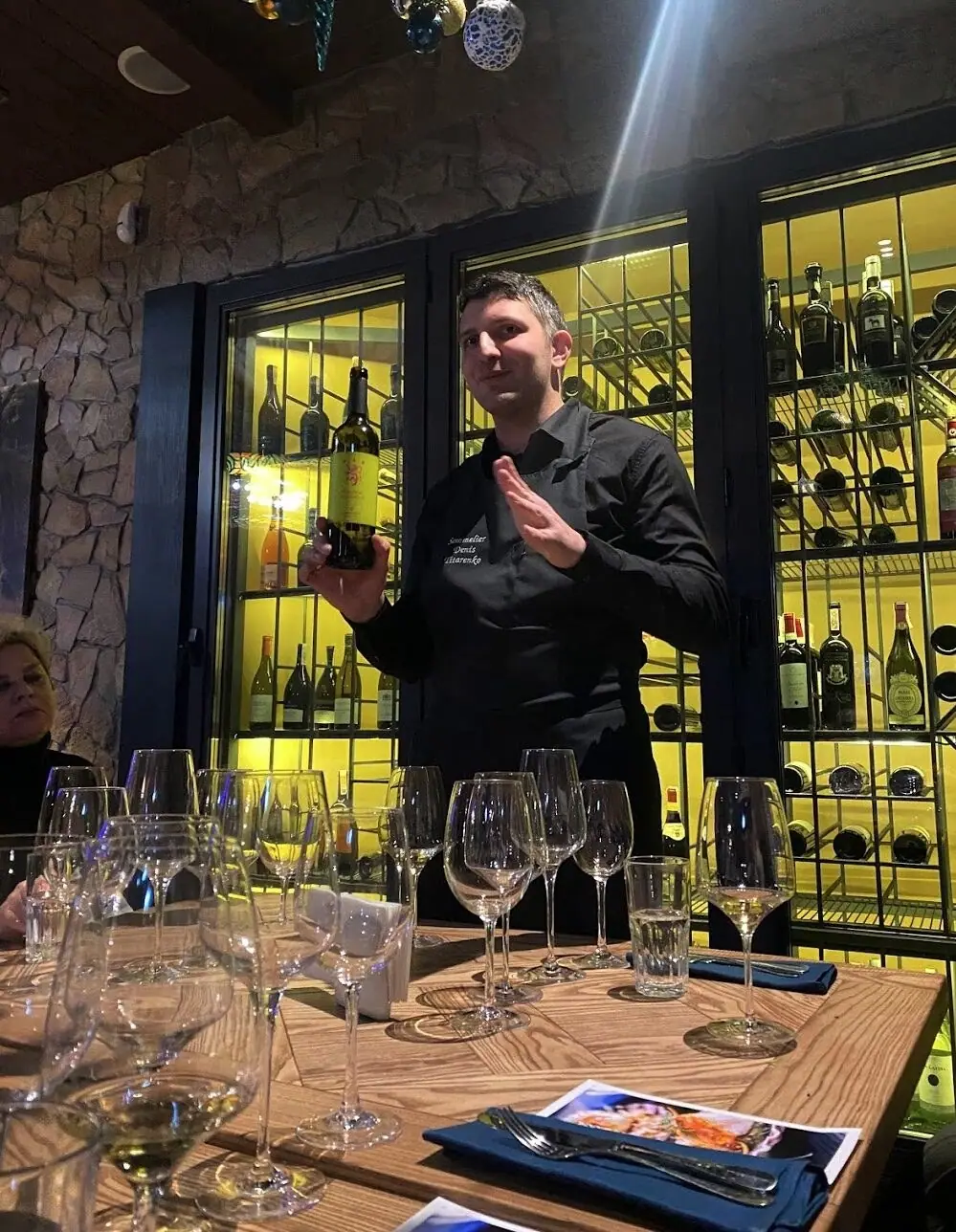
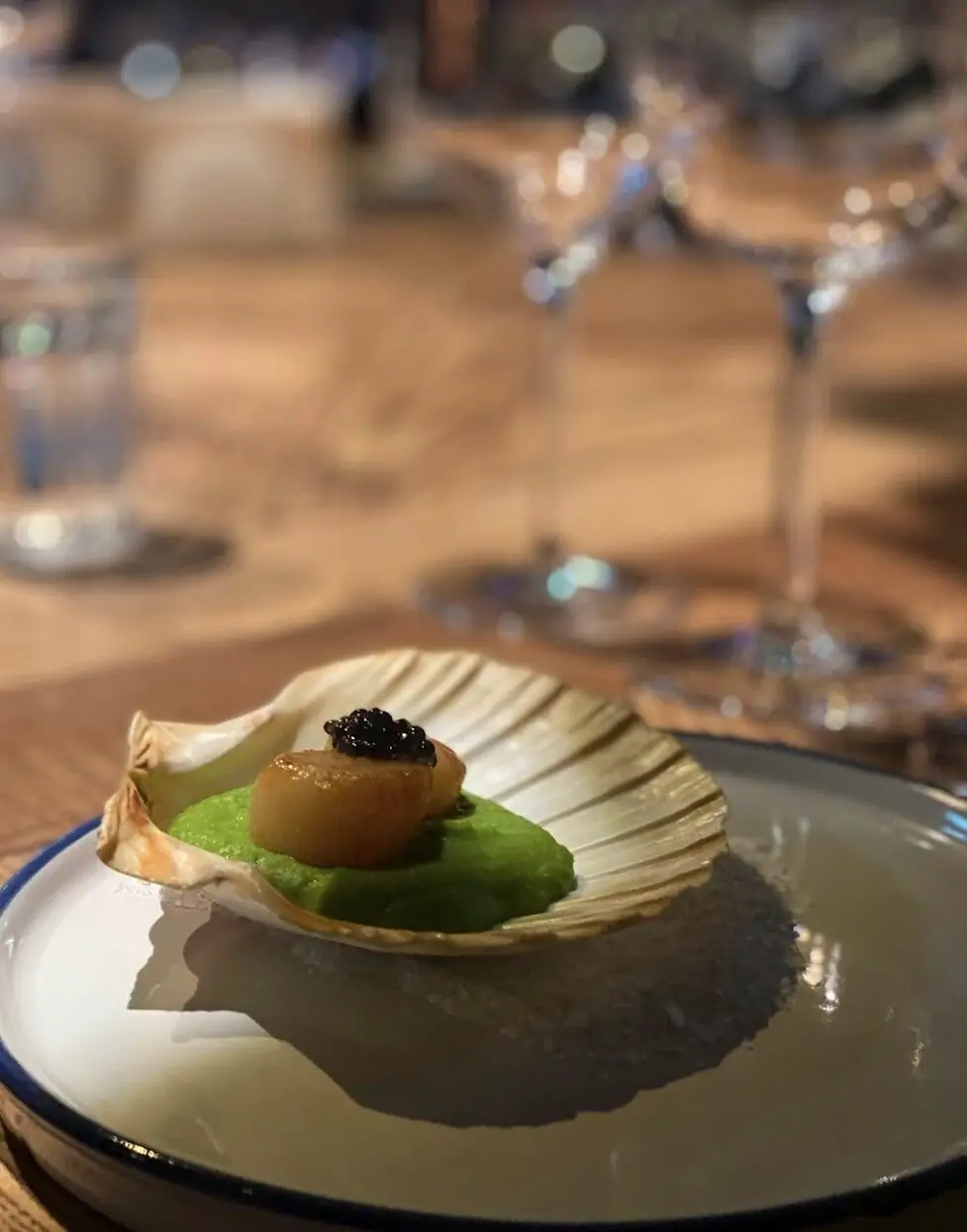
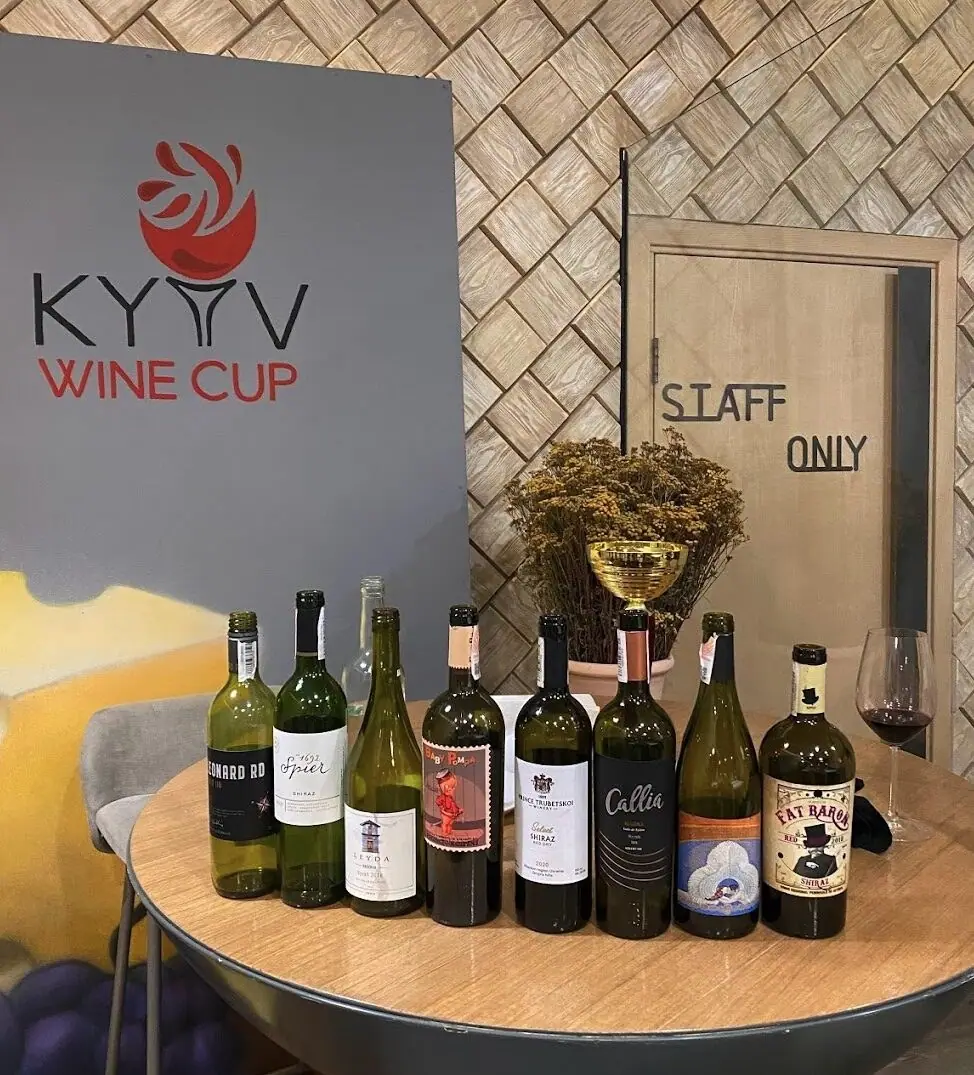
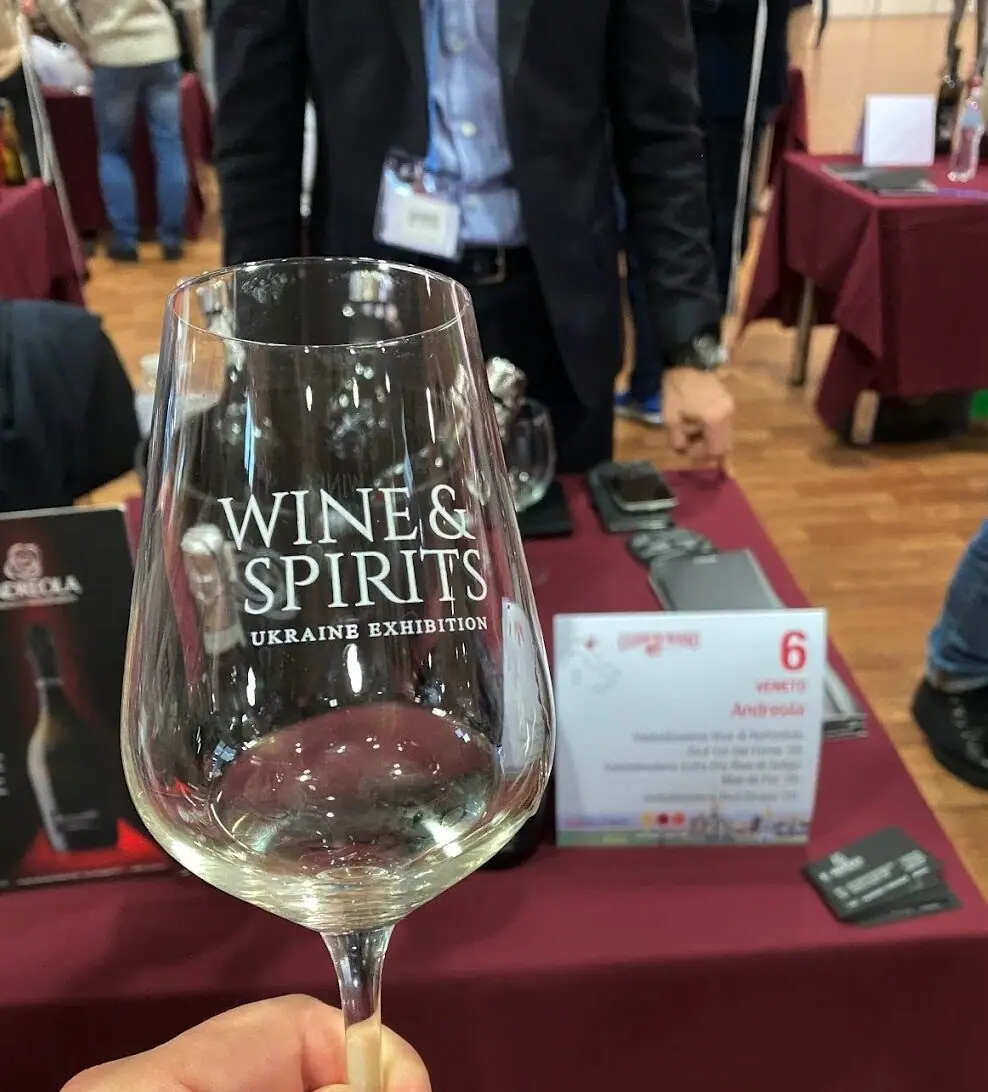
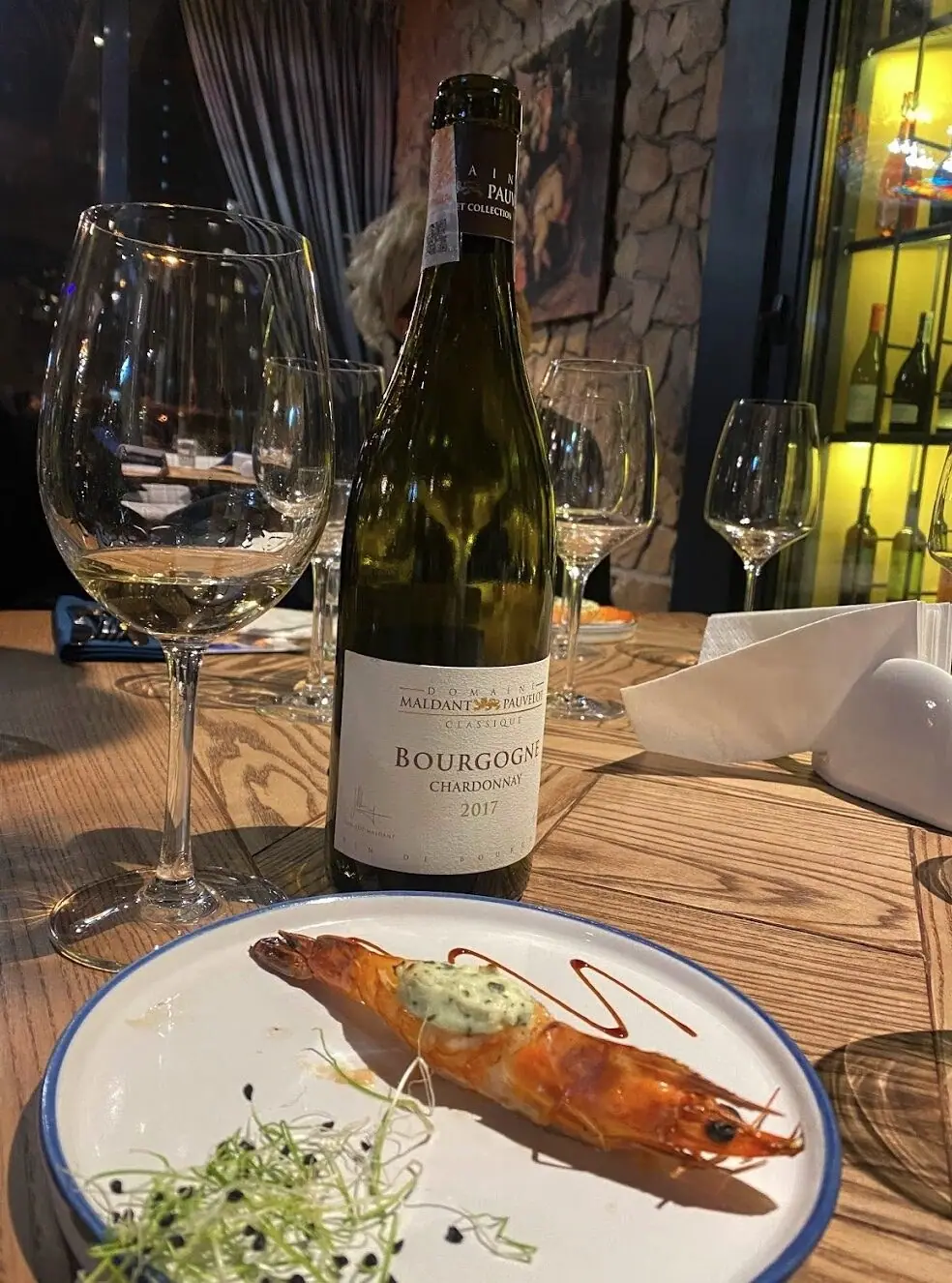
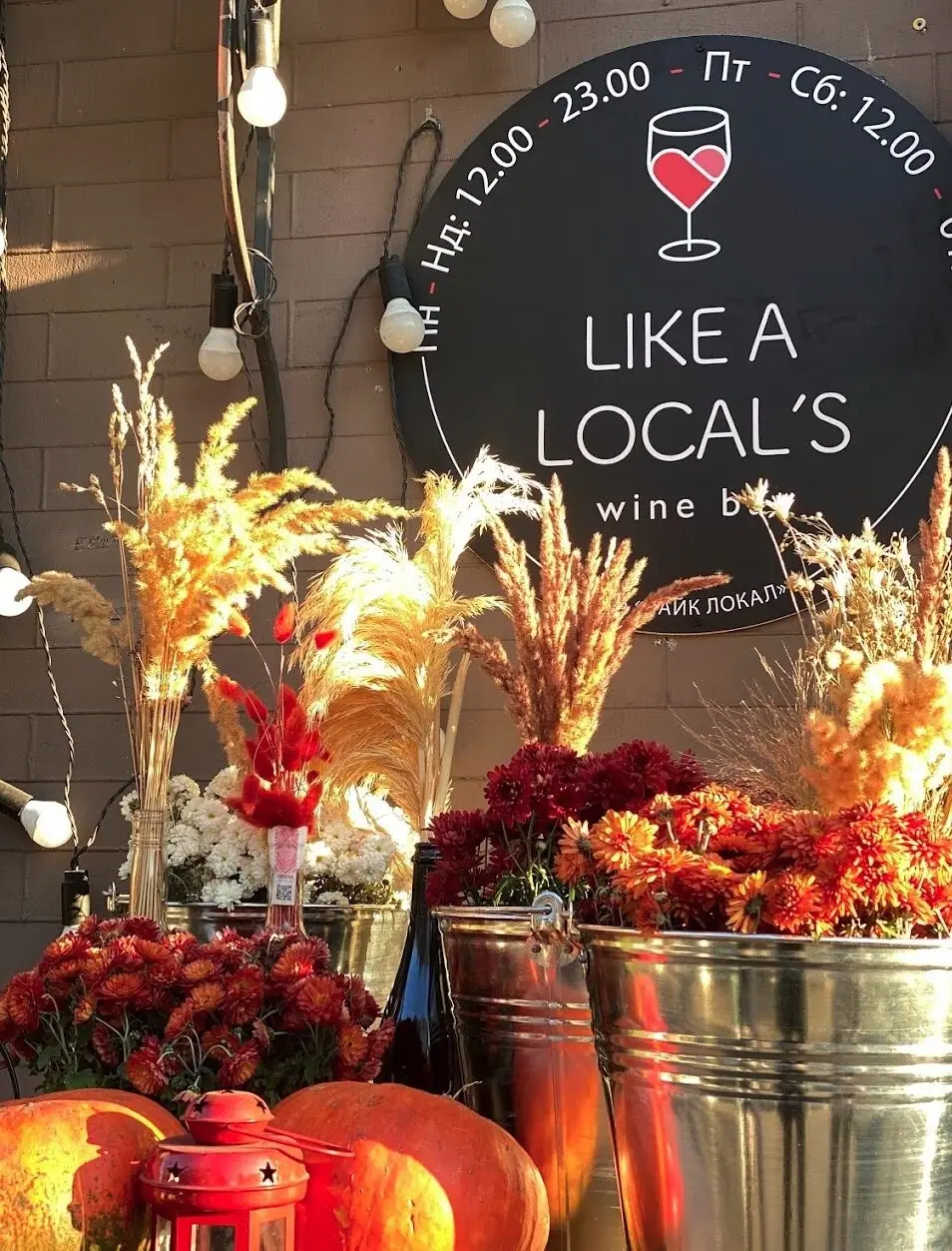
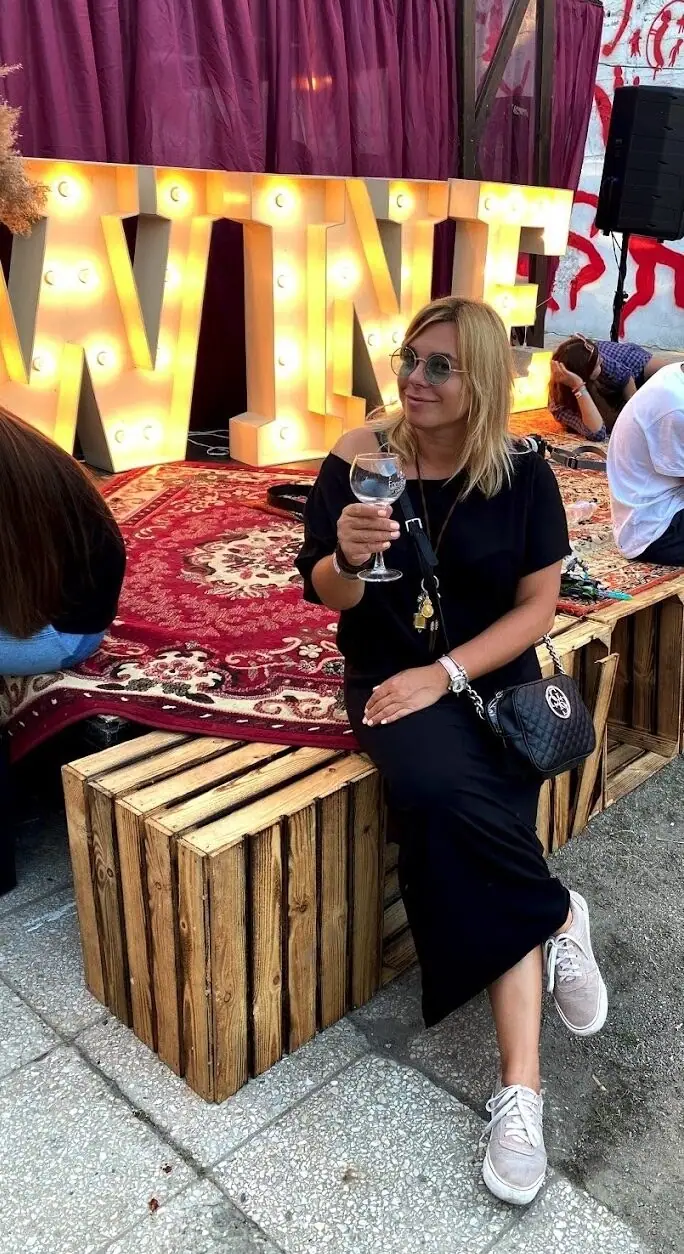
I began attending tastings and wine events in Kyiv. Wine dinners, themed evenings where regions were explored through carefully paired food and glassware. At the time, it was still just a hobby.
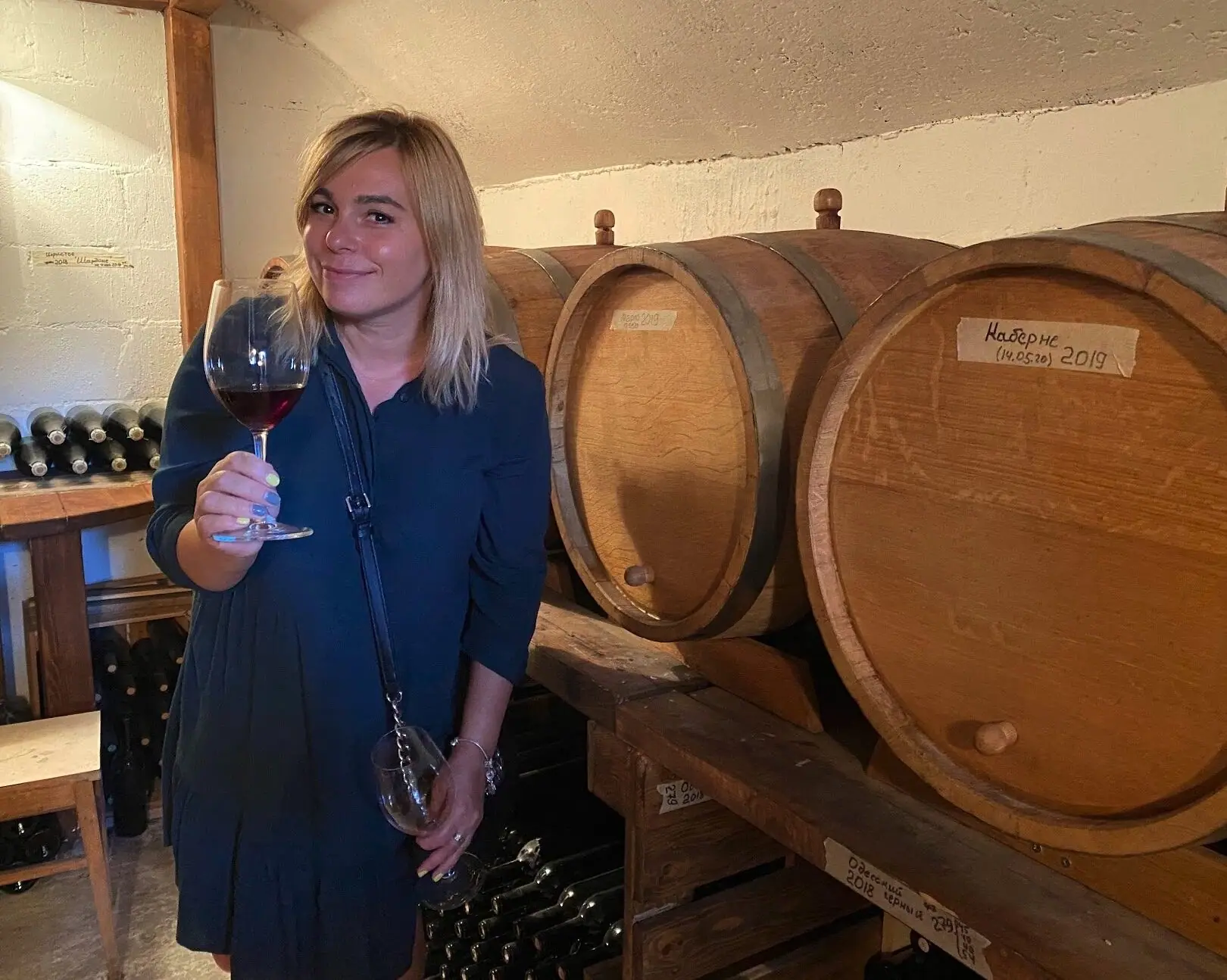
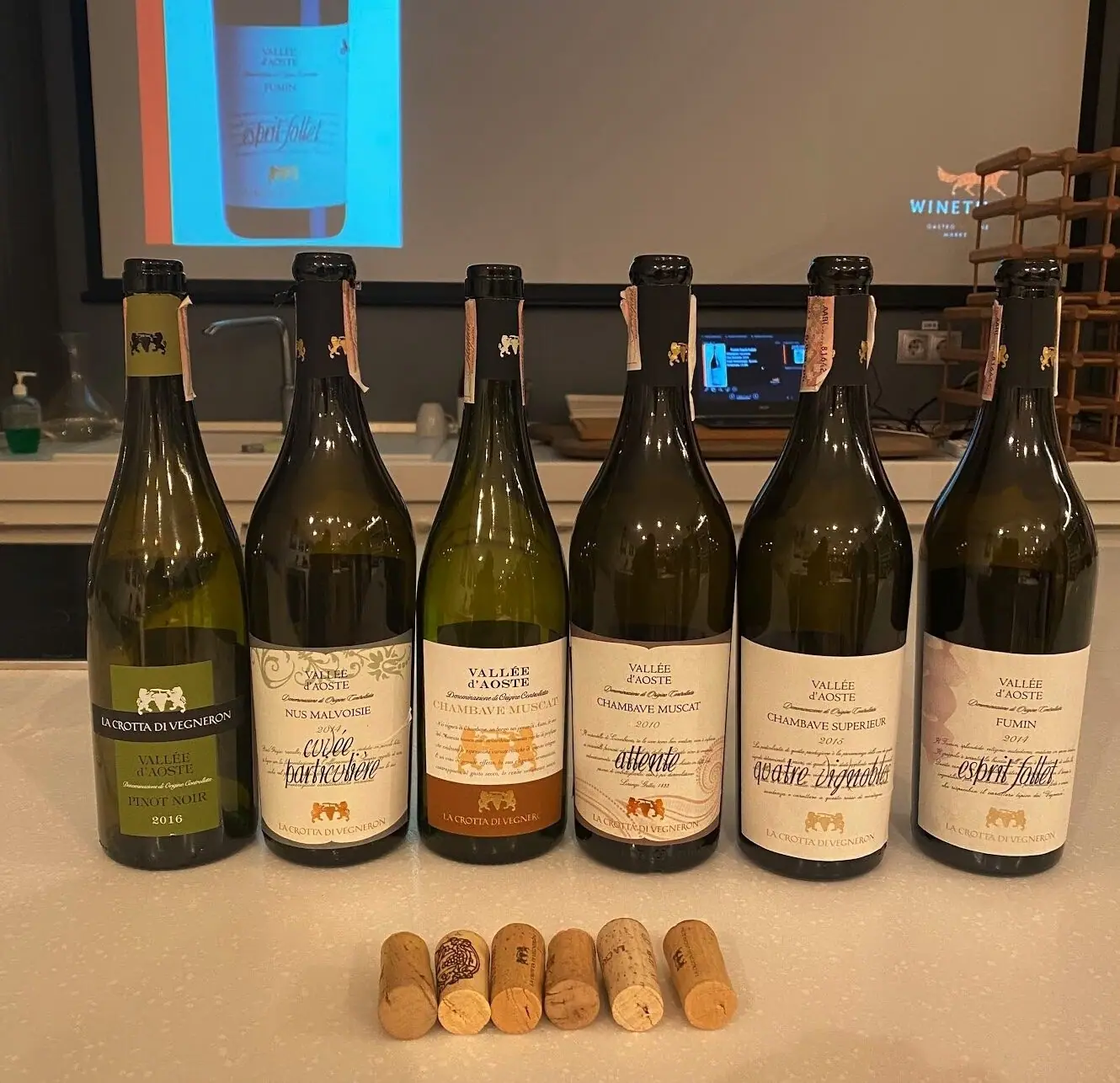
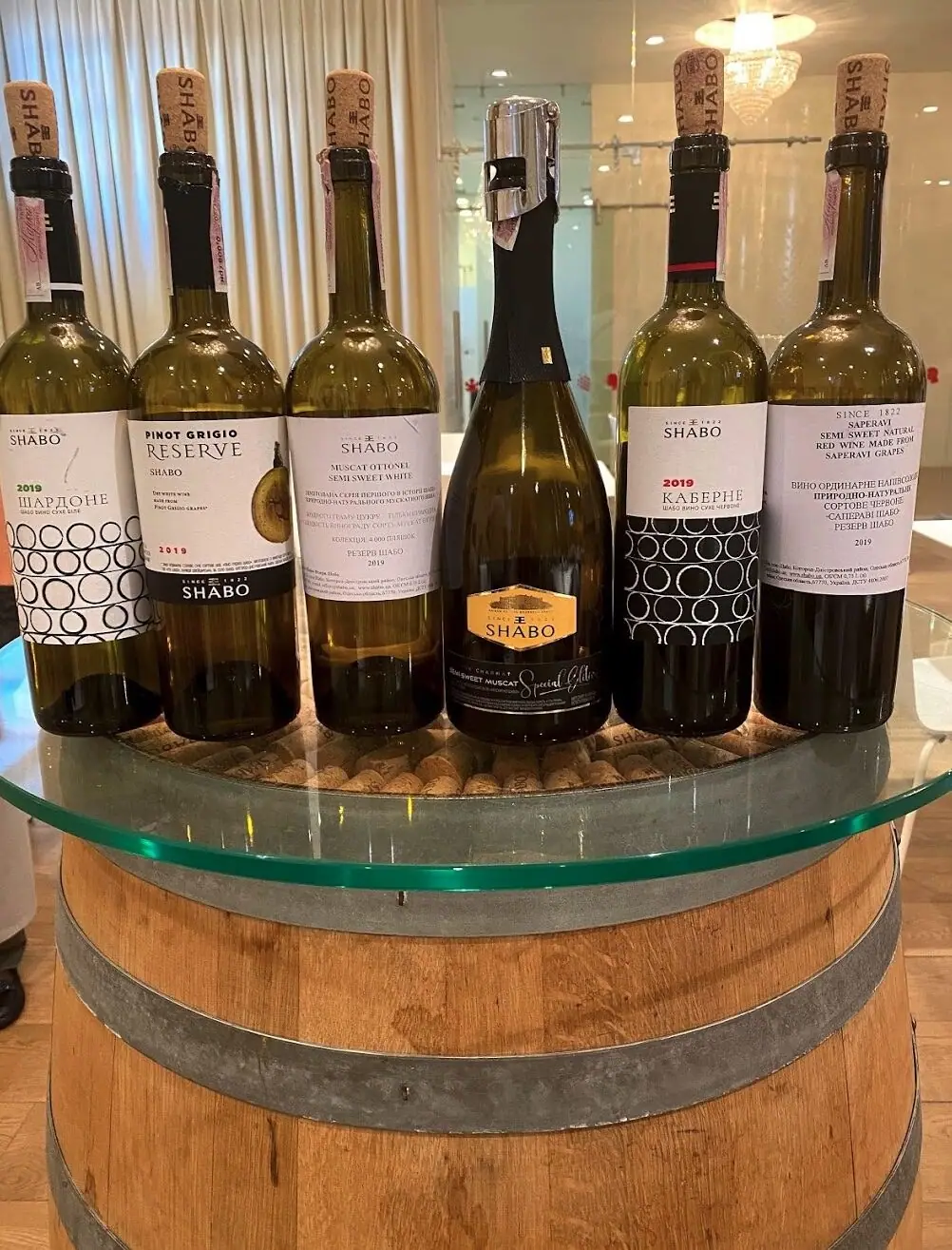
Along the way, I discovered Ukrainian wines in greater depth and felt a growing pride in what our winemakers were achieving. I travelled within Ukraine to visit wineries, walk through vineyards and see firsthand how much passion, risk and hard work stand behind each bottle.
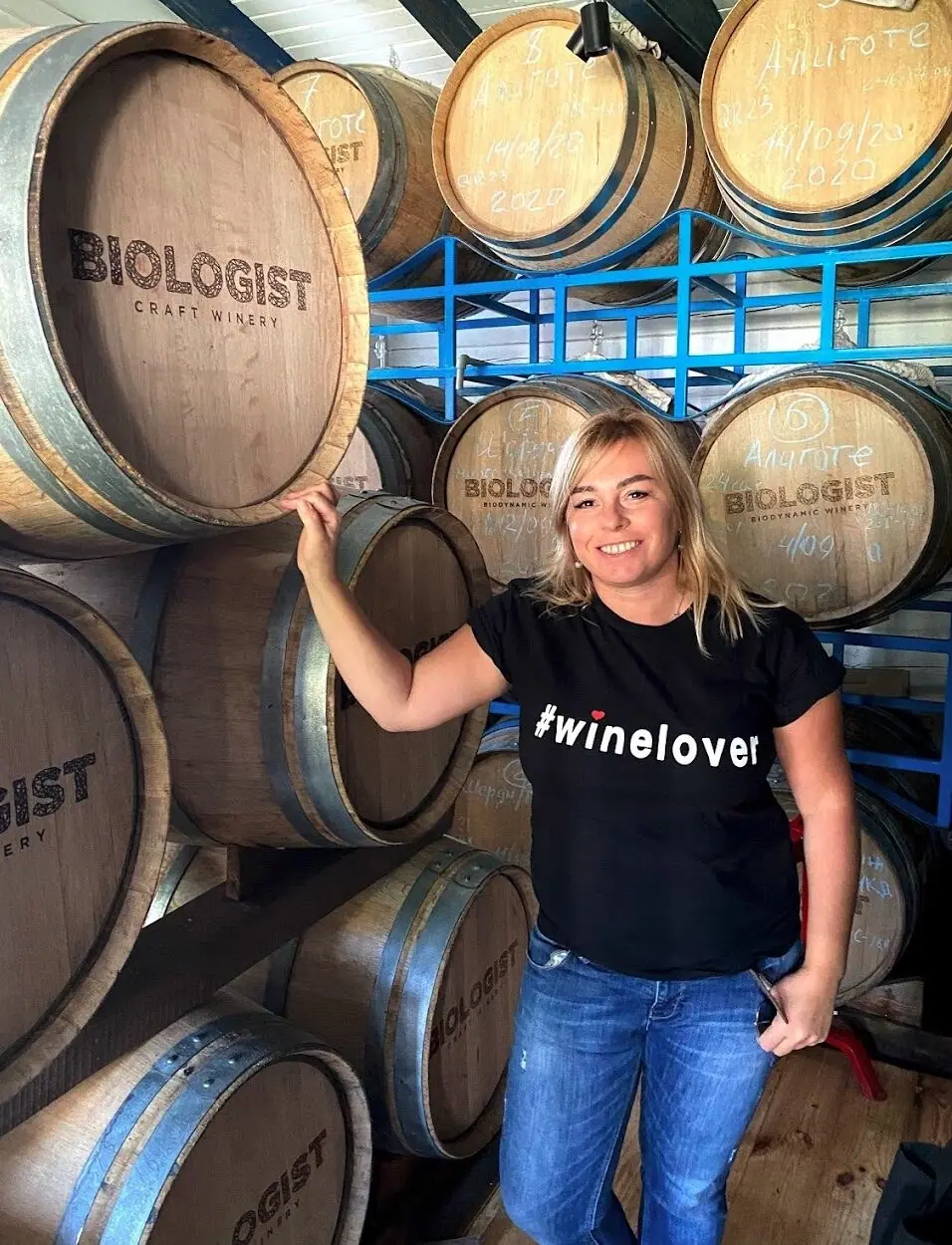
On one occasion, I was even invited to take part in the winemaking process itself, working hands-on at the Biologist craft winery.
And then the war began.
I arrived in the UK, and just 10 days later found myself at the London Wine Fair, presenting 12 Ukrainian wineries. The experience felt almost unreal: a new country, a new reality, yet the same shared language of wine.
At the fair, I met importers, sommeliers, buyers and educators: people from every corner of the UK wine trade. It was an unexpectedly open and welcoming environment. I spoke about Ukrainian wine, our regions, our grape varieties and the resilience behind them.
In that moment, I felt far from home and close to it at the same time, carrying a piece of Ukraine into the global wine conversation.
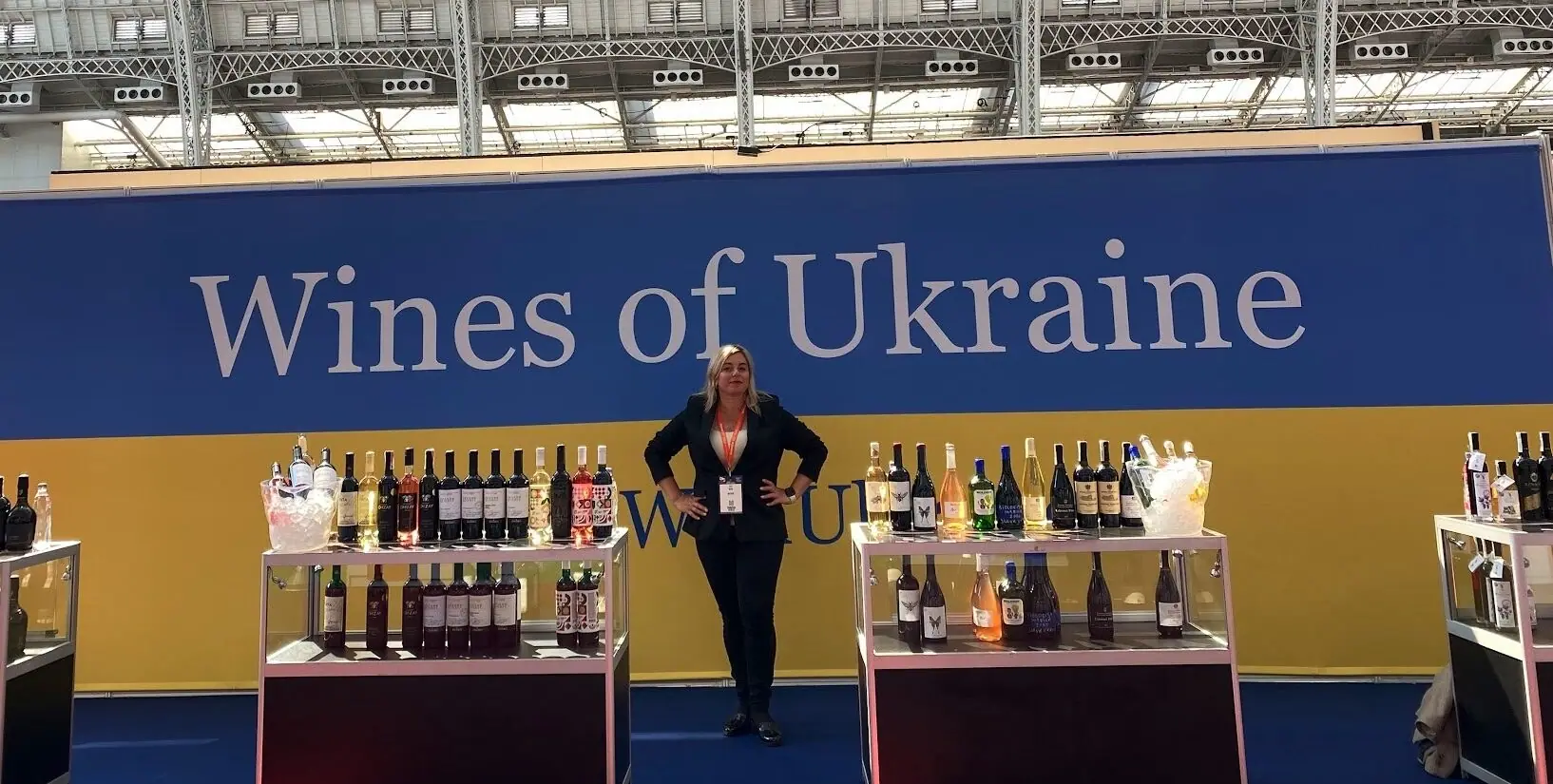
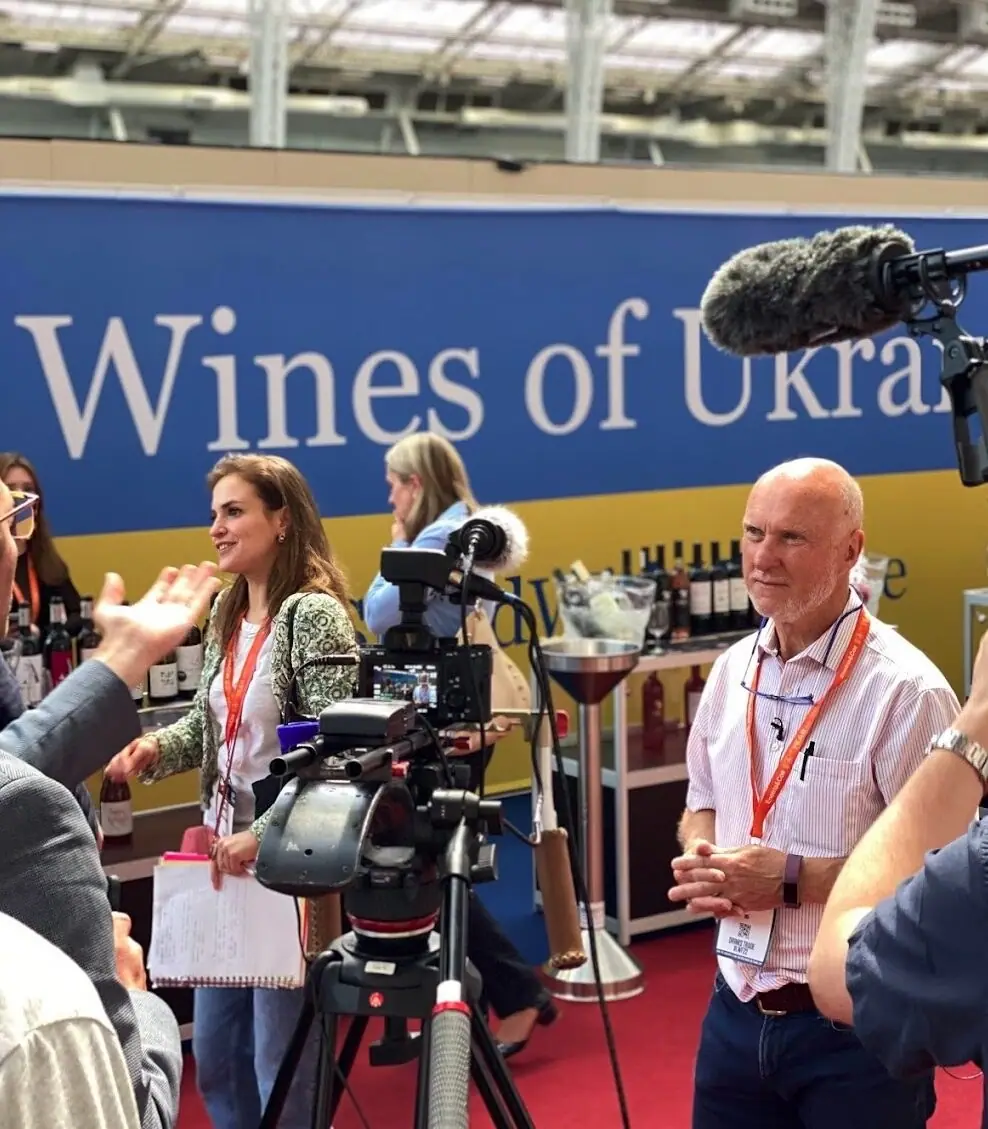
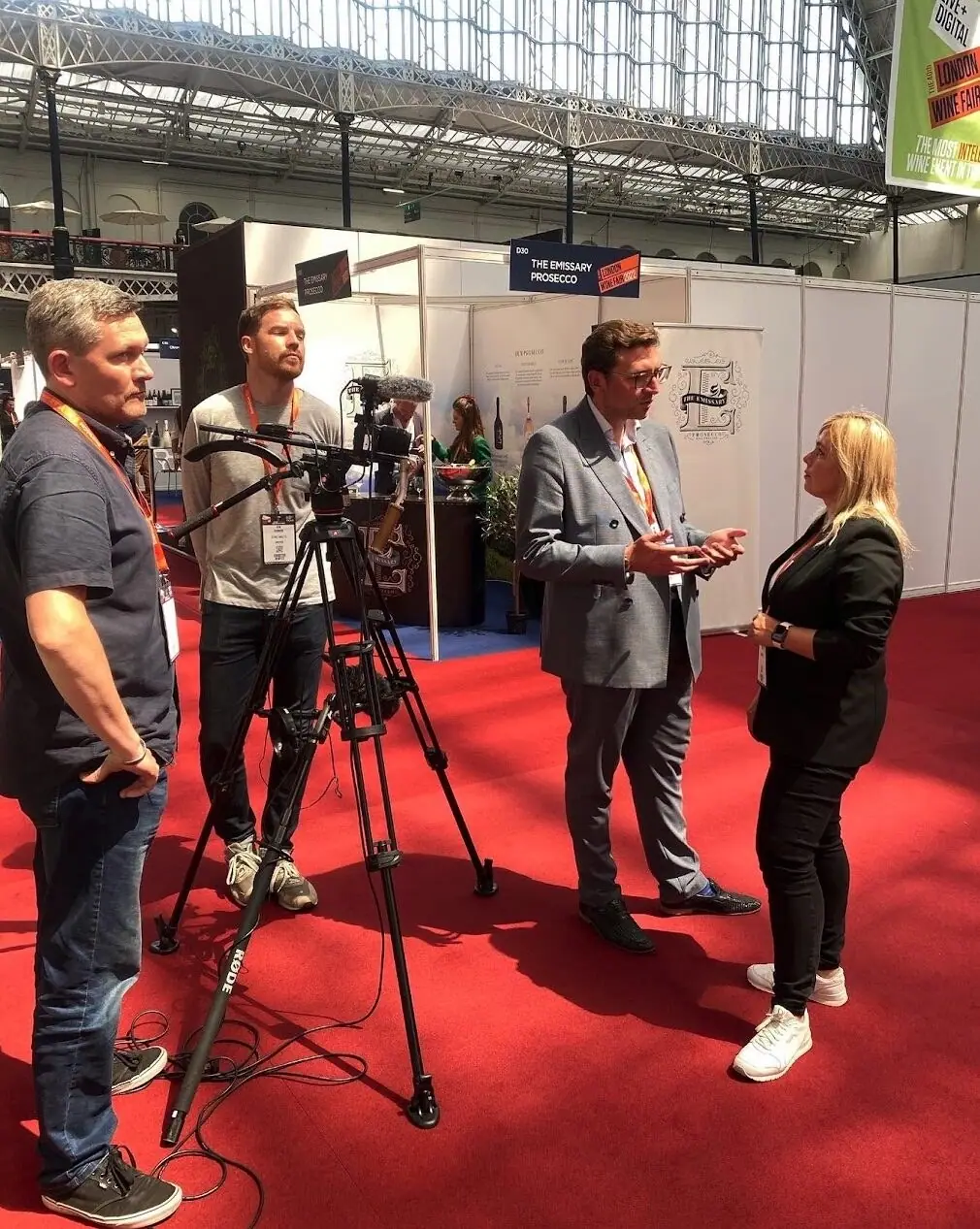
The Ukrainian stand attracted a lot of attention and was participating in the fair for the first time. I felt I had a clear mission to introduce Ukrainian wines to the world.
London opened my eyes. I realised that this city is a capital of wine. So much is happening here every day: tastings, masterclasses, trade fairs, pop-up events, niche shops, natural wine bars. If you love wine, London can be overwhelming and magical at the same time.
Standing in this world, I knew I wanted my passion to become my profession.
So I decided to make my knowledge more structured and serious, and enrolled in WSET Level 2, then went on to WSET Level 3. Each course gave me theory and confidence: that my curiosity had a foundation, that my palate could be trained, that my instincts could be sharpened and, very important for me, that language is not a barrier.
Now I am a WSET Diploma student, something that a girl tasting her first ‘good’ wine far away in Ukraine many years ago could never have imagined.
I dreamt of changing my career and entering the wine industry. It felt perhaps unrealistic, especially when moving countries in such a painful context and trying to settle my life and improve my English. But step by step, through studies, networking, tasting, writing and showing up at events again and again, I found my place.
Today, I can finally say: I’m in. With hundreds of wine events attended, with a job in the wine industry, with WSET qualifications and lots of new ideas.
When I look back at these few years, from that first memorable glass in Ukraine to now working in wine, I see a clear thread: curiosity, courage and the belief that it’s never too late to rewrite your own story.
And never too late to study.