Tasting Cyprus at Tsiakkas Winery
Wine travelsTroodos, Cyprus
A winding climb into the Troodos hills, a guided tasting of six wines shaped by altitude, and a chance meeting with our guide Anastasia at a London wine show.
My day at Tsiakkas Winery in Cyprus was planned in advance after watching the programme on YouTube.
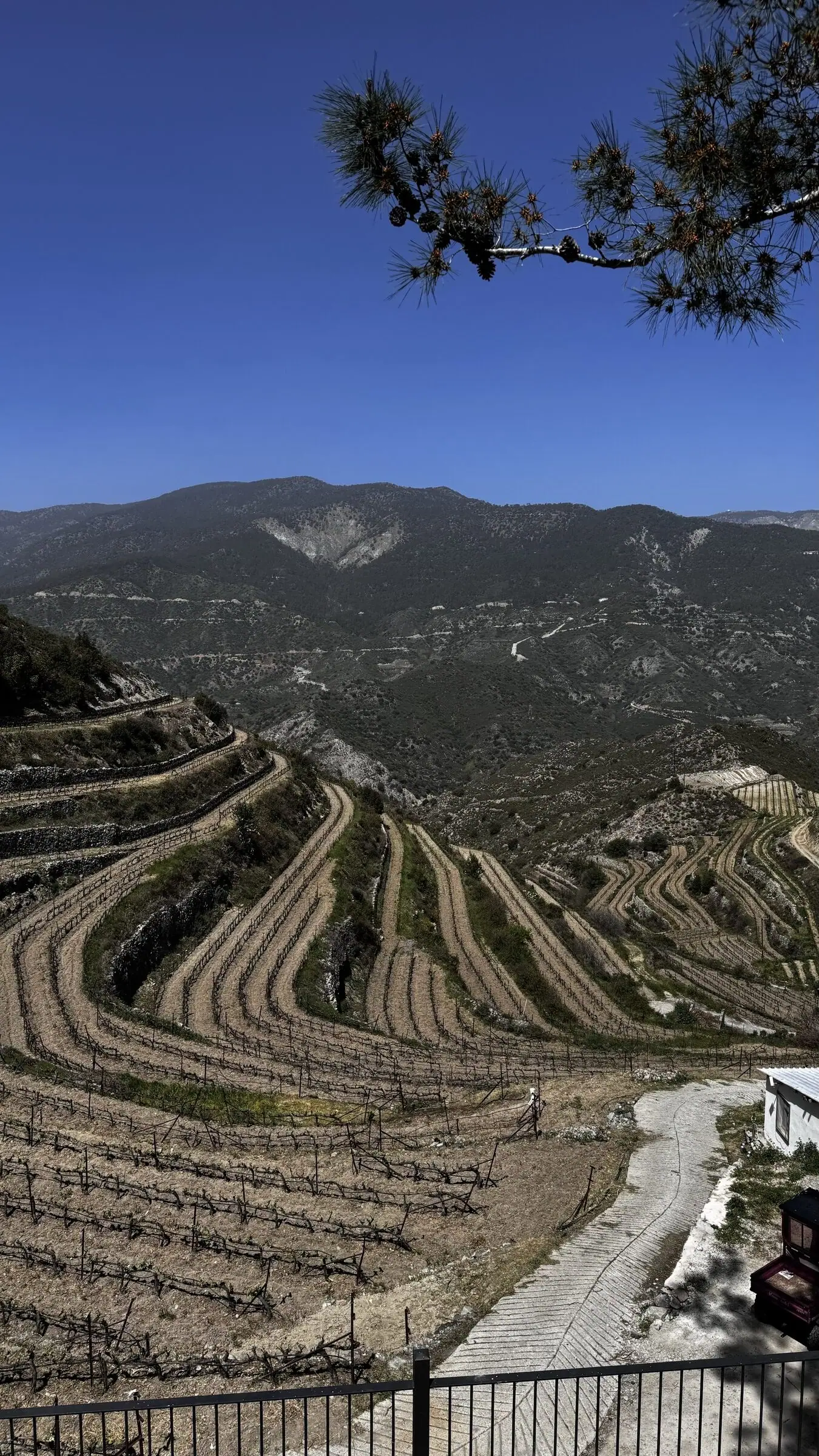
The journey to the winery already felt like an introduction to the wines. As we left the busier parts of Cyprus behind, the road began to climb, curling through small villages and past patches of vines clinging to the slopes.
With every turn, the air felt a little cooler, the light a little sharper and the landscape a little wilder. Clouds and rain alternated with the sun a few times.
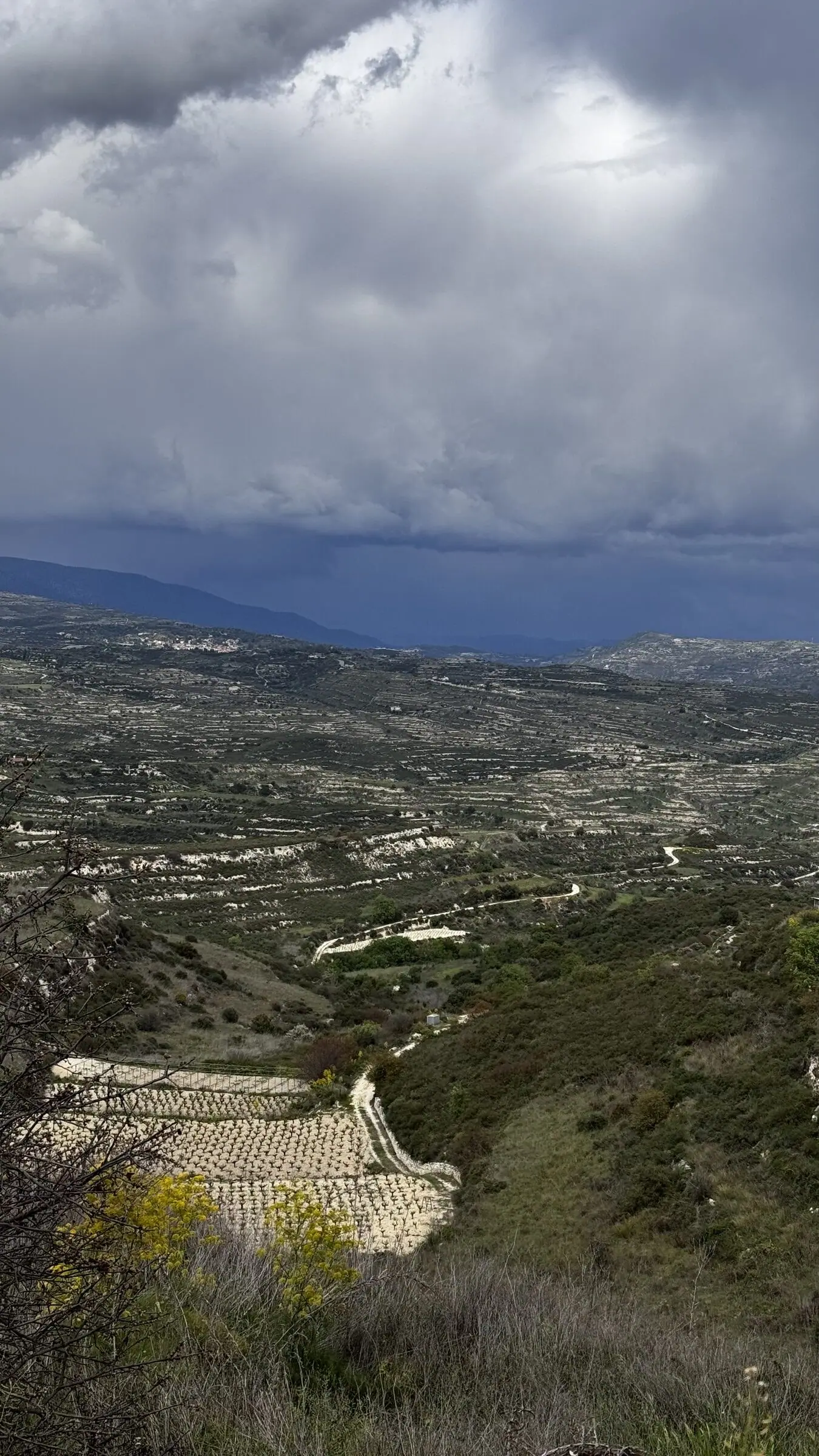
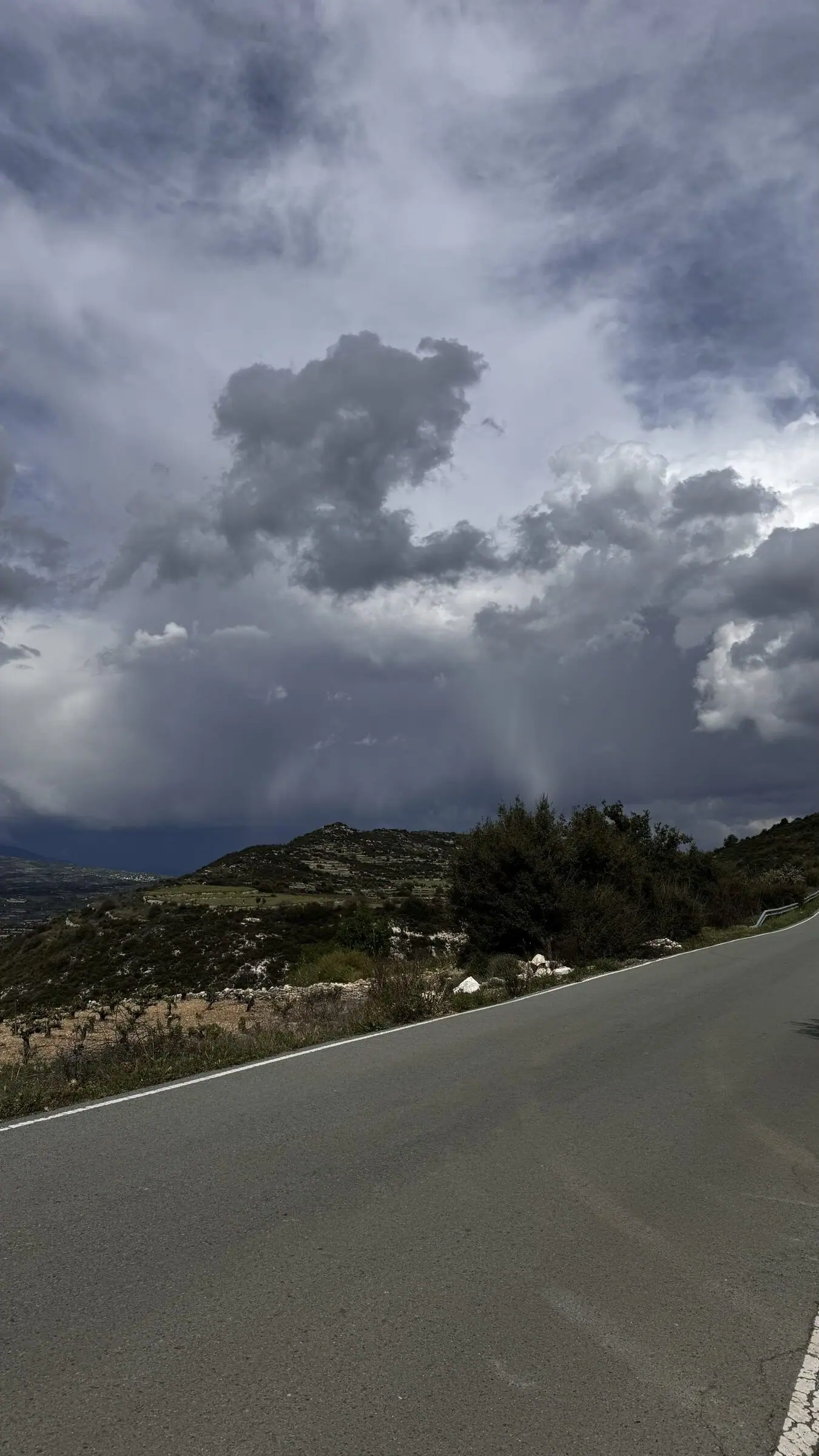
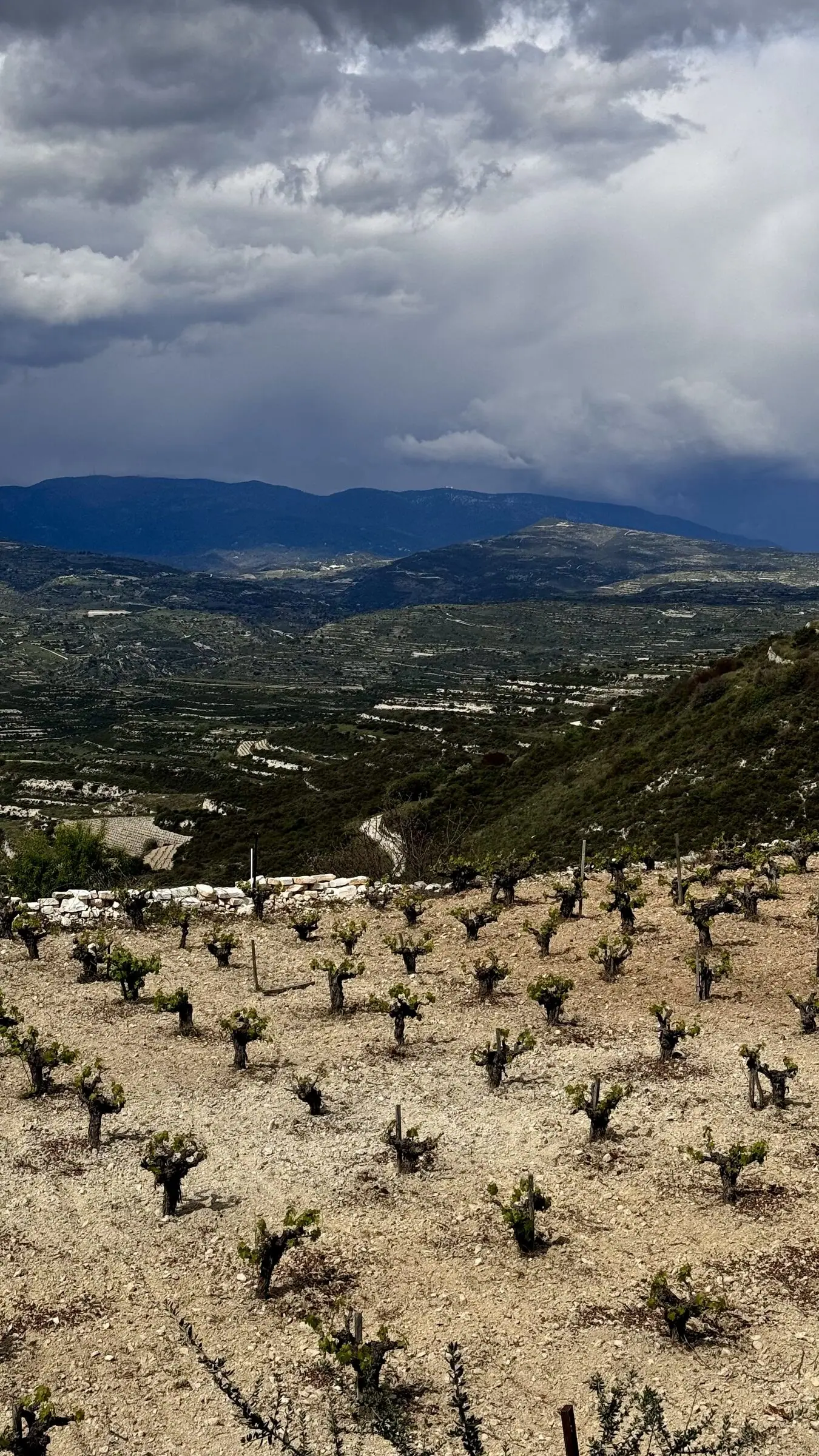
When I arrived at Tsiakkas, the first impression was a mix of simplicity and intention. The winery sits naturally in its surroundings, framed by hills and terraces.
I was impressed by the altitude and the breathtaking views. It felt like the kind of place where people think carefully about what they put in the bottle.
I met Anastasia, who works at the winery and became our guide. She welcomed us with that calm confidence of someone who knows both the wines and the land behind them. From the very beginning, the atmosphere was relaxed and personal, like being hosted by someone who wants you to understand where you are.
We began with a guided tour of the vineyard, followed by a tasting of six wines, each one another step into the Tsiakkas world.
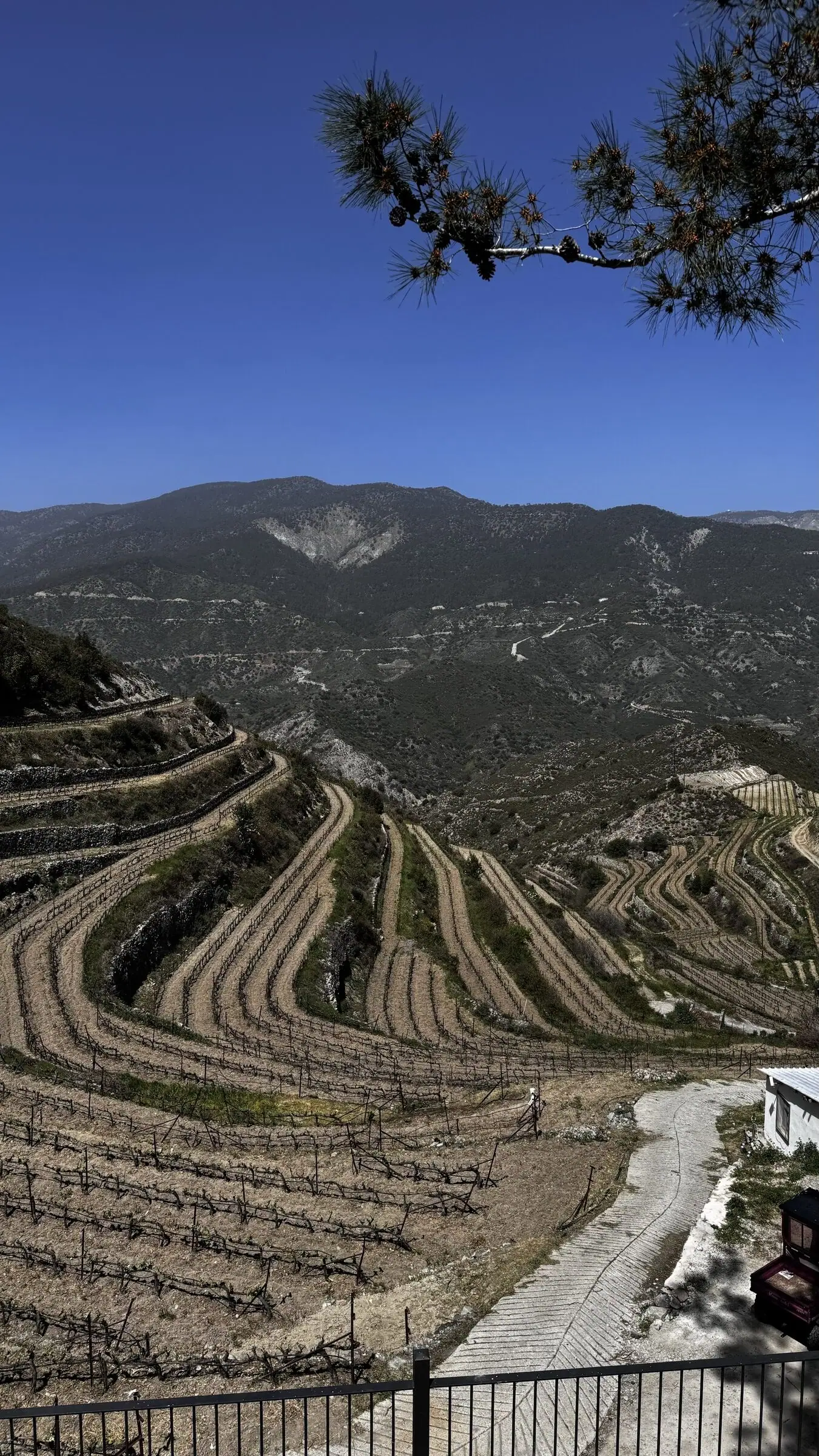
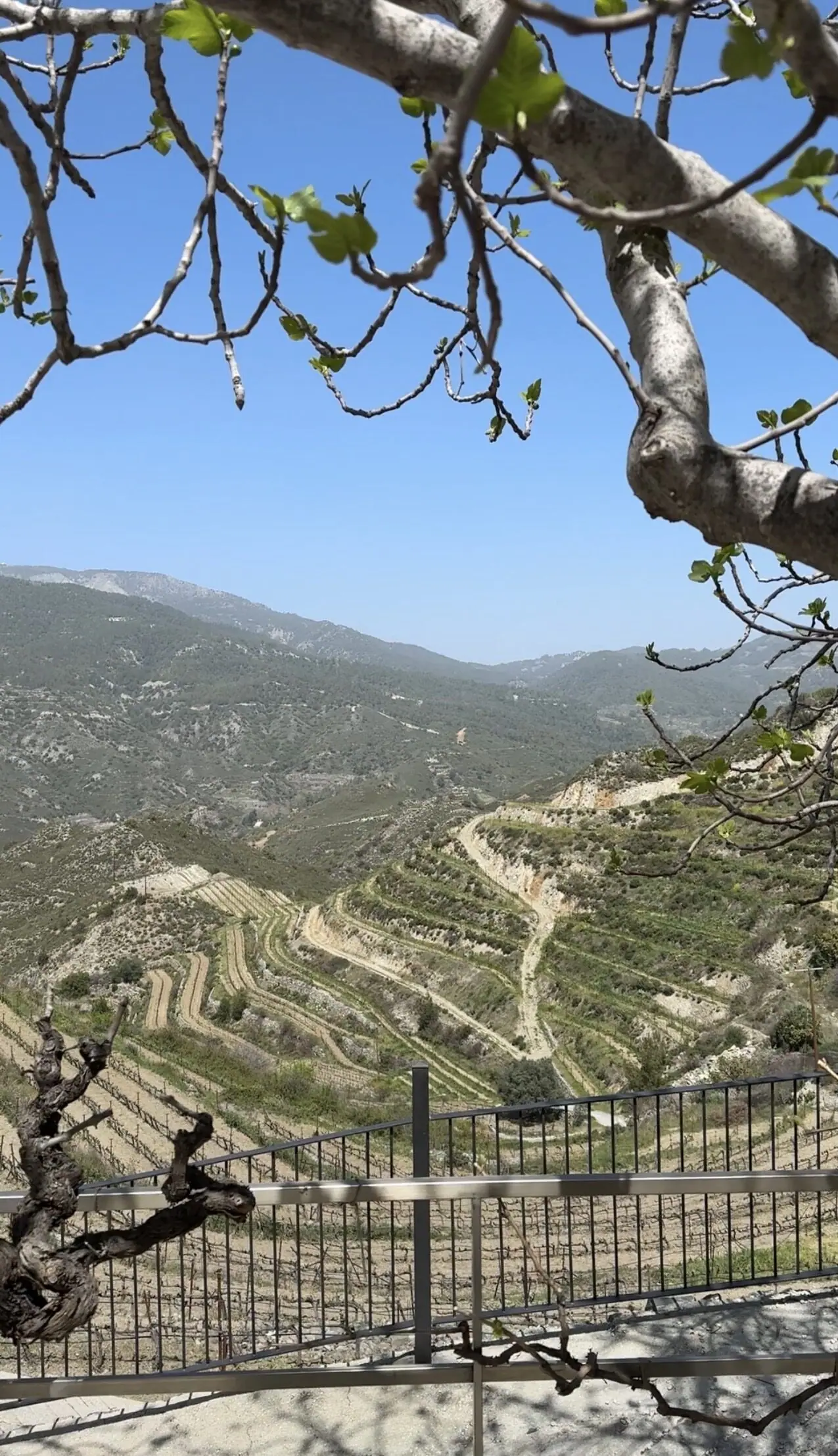
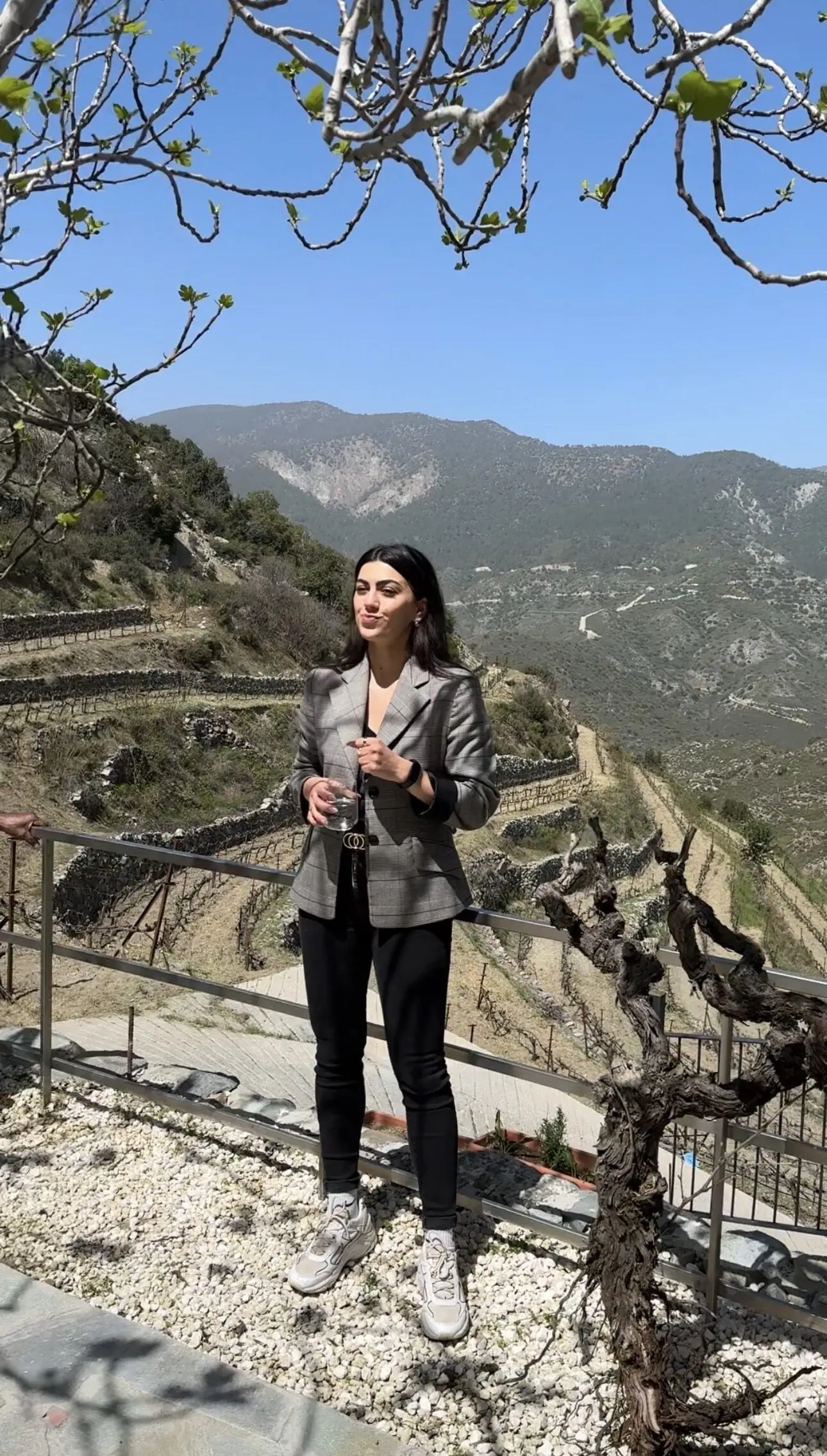
The line-up moved through different styles and varieties, including local grapes that carry the character of Cyprus in a way international varieties can’t. Anastasia talked us through the vineyards, the soils and the decisions behind each wine: always informative, but never overwhelming.
Harvest at Tsiakkas is carefully timed, often carried out in the cool of the early morning to protect freshness and aromatics. Grapes are hand-picked into small crates to avoid bruising and rushed to the winery just a short distance away. Each vineyard block is usually vinified separately, allowing the team to capture the unique character of each site and decide later how to blend it into the final wine.
On arrival, the grapes are sorted to remove any that don’t meet the winery’s quality standards. For white wines, gentle pressing and cold settling help preserve delicate floral and citrus notes, especially in Xynisteri and other aromatic varieties. Red grapes are typically destemmed and fermented on their skins, with careful control of temperature and extraction to balance colour, structure and freshness rather than power for its own sake.
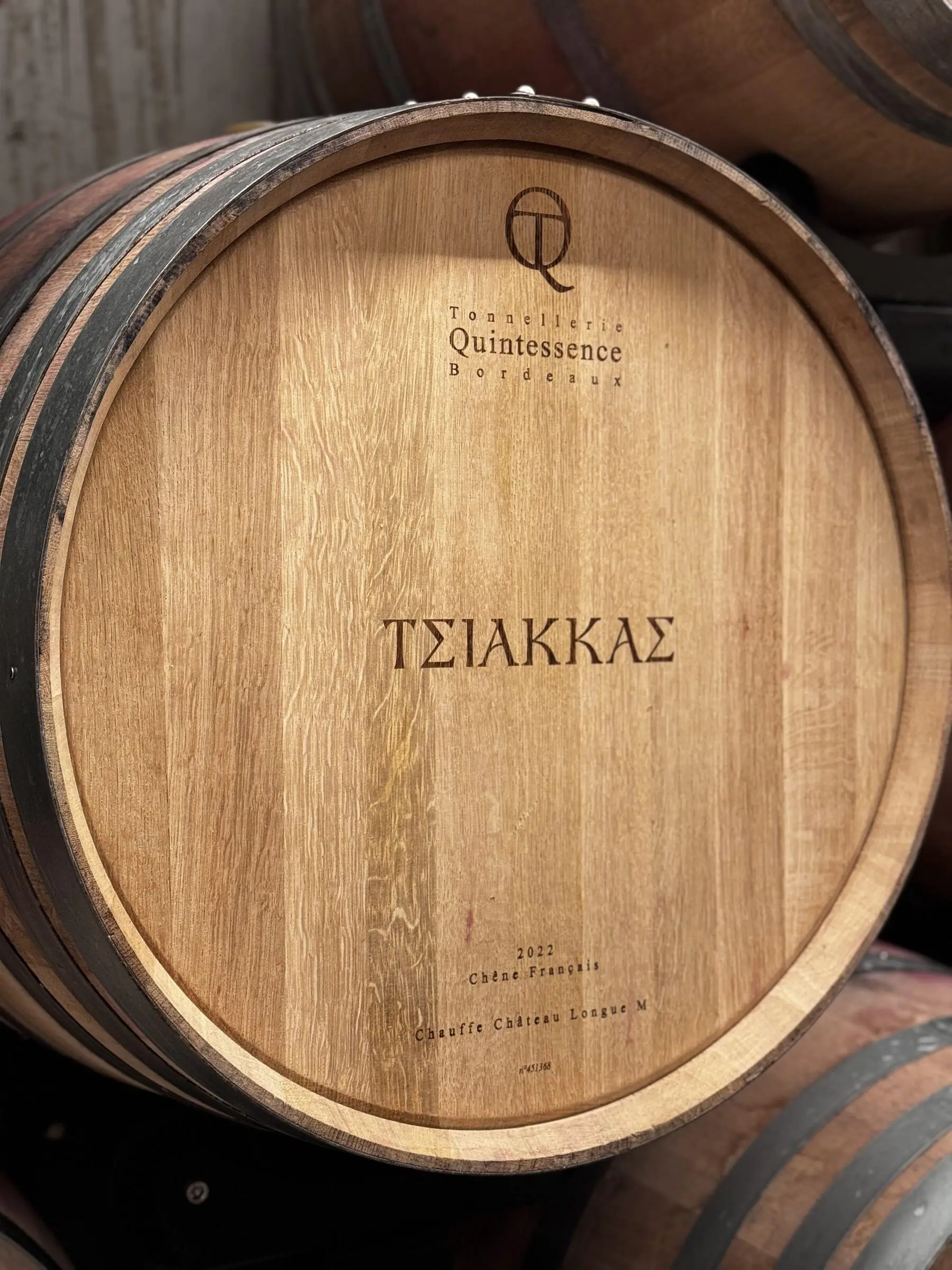
Tsiakkas Winery combines stainless-steel precision with the texture and complexity that comes from oak and long ageing. Many whites and lighter reds are fermented in temperature-controlled stainless-steel tanks, which helps retain crisp acidity and pure fruit character. Selected cuvées, especially from indigenous red varieties, may be fermented or matured in oak barrels, where gentle oxygen exposure softens tannins and layers in spicy, toasty notes.
Depending on the wine style, maturation can take place solely in stainless steel for a bright, youthful expression, or in a mix of barrel and tank to build complexity. Time on the lees (the spent yeast after fermentation) is sometimes used, particularly for whites, to add mouthfeel and subtle brioche-like nuances without overwhelming the natural character of the grape.
Vineyard practices focus on low yields and healthy soils, aiming to let each parcel speak in the glass rather than chase a uniform, international style. Indigenous grapes are given centre stage, interpreted in a contemporary way that still feels authentic to the island’s history.
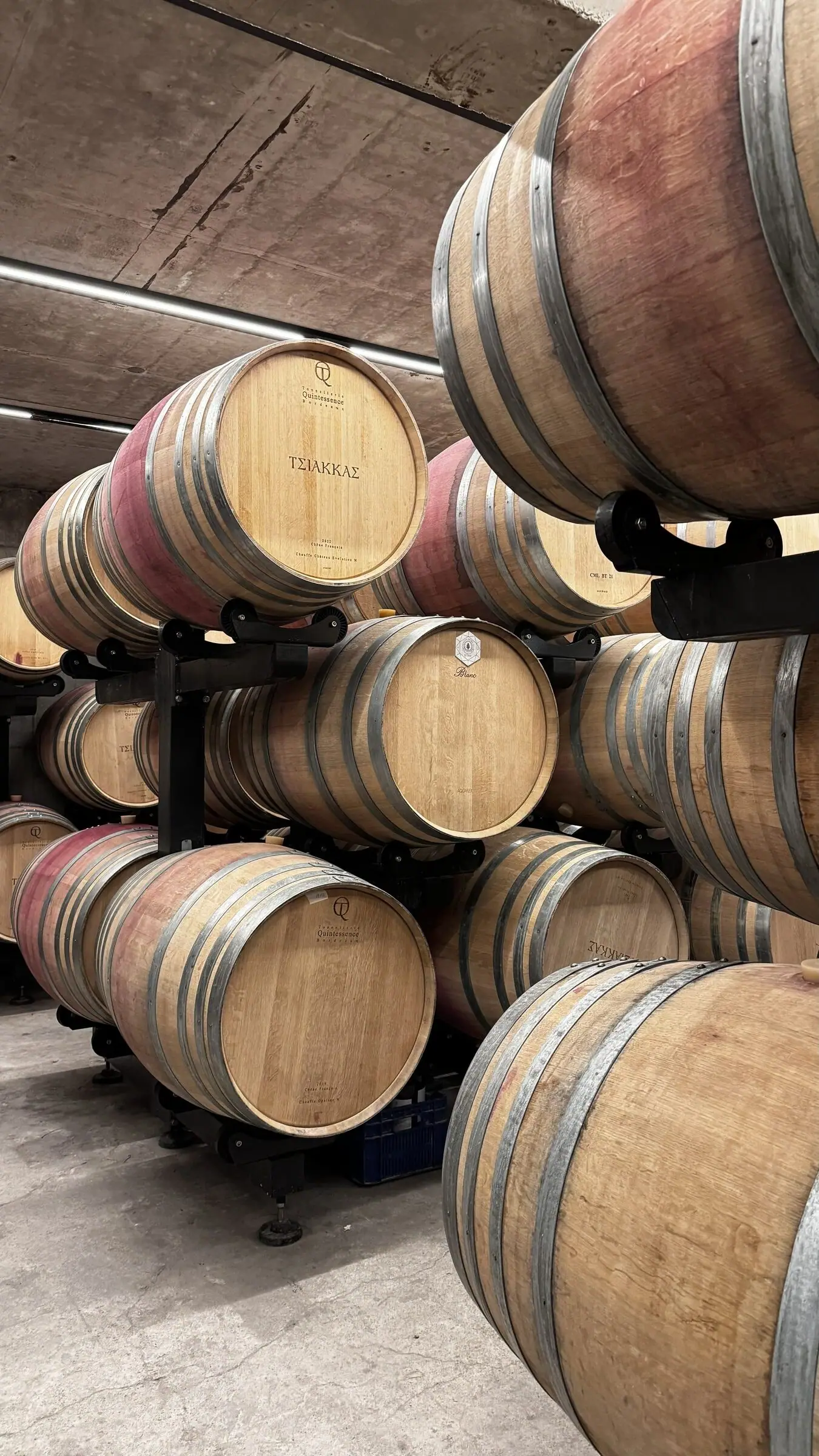
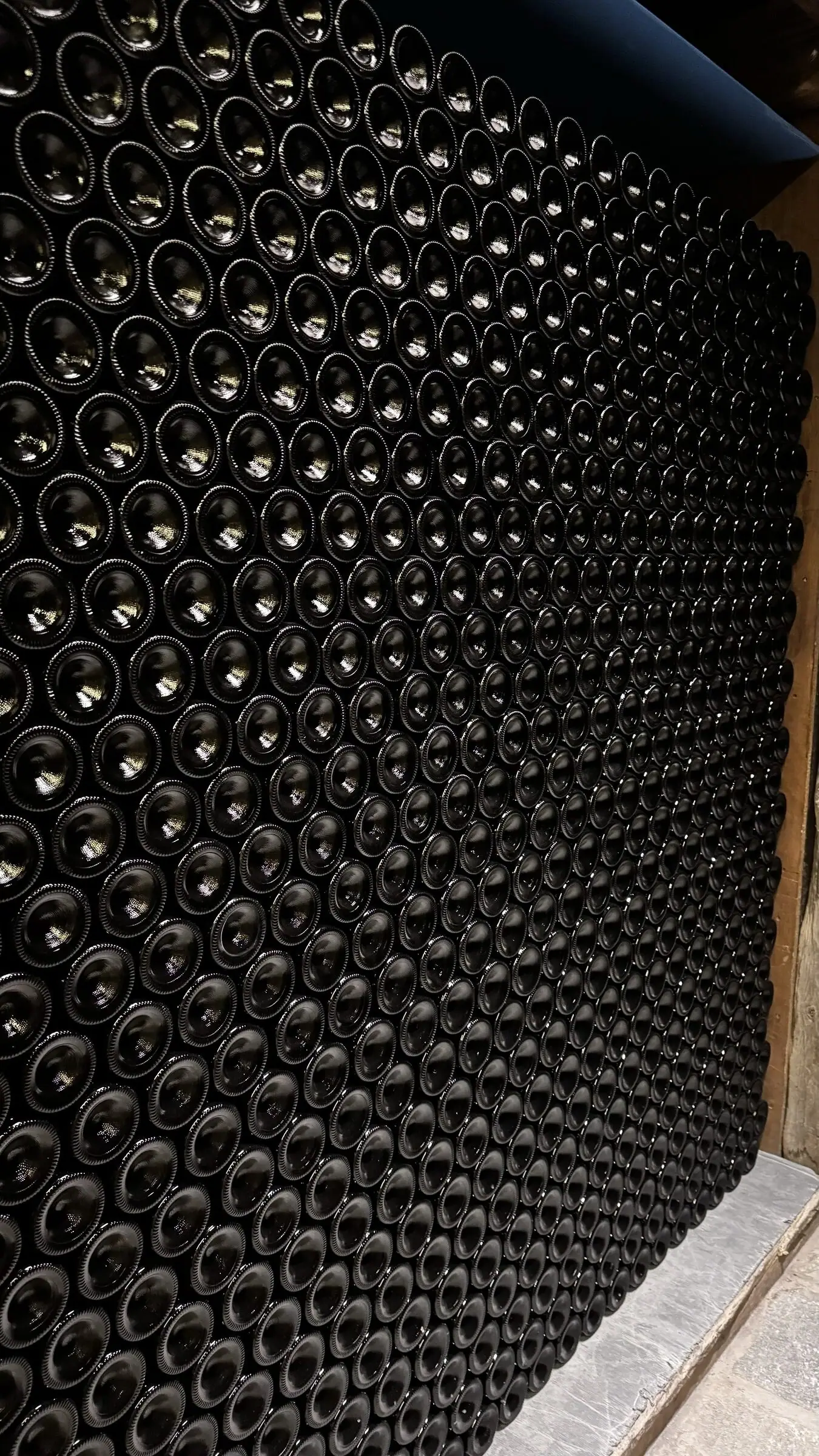
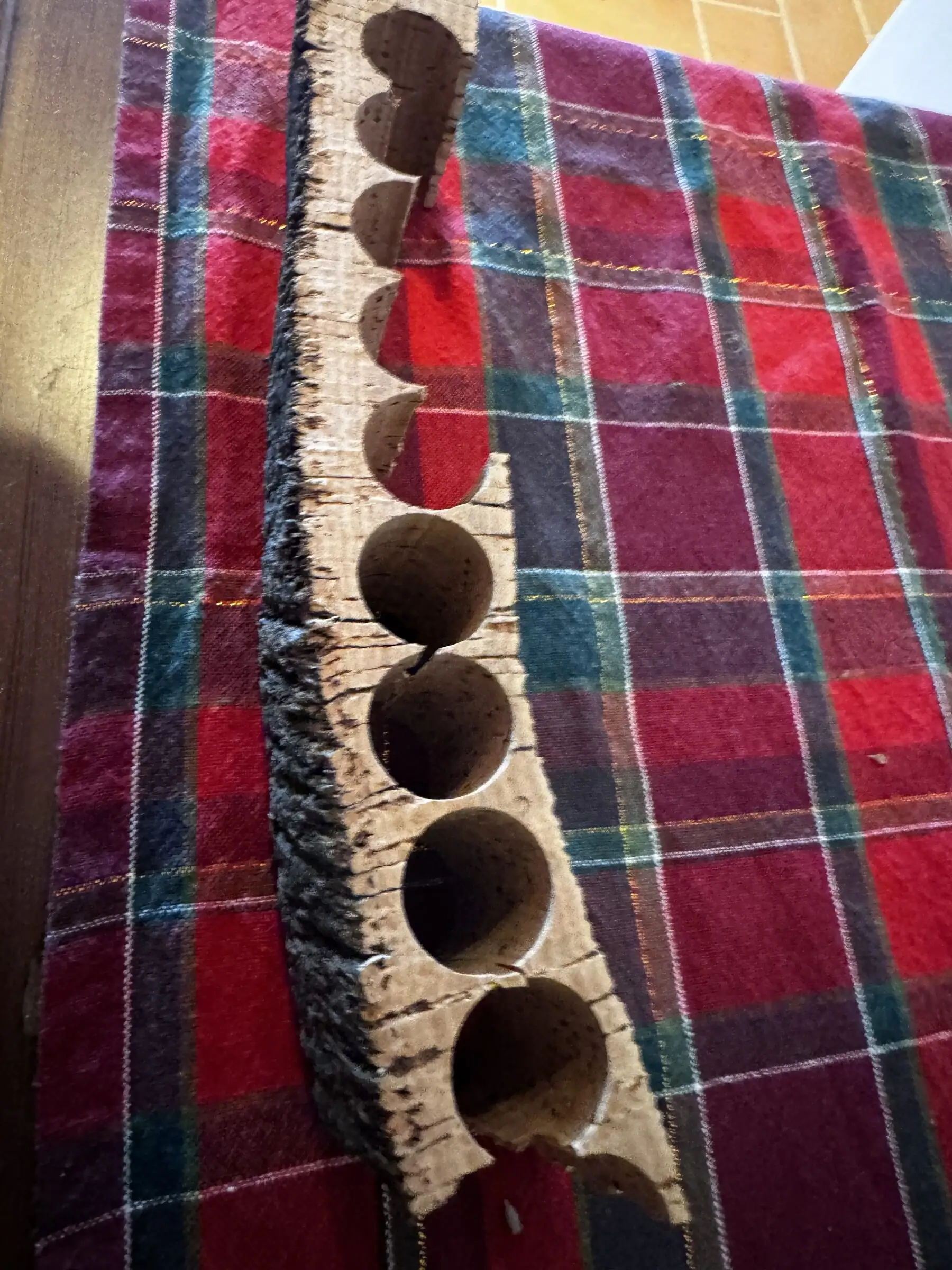
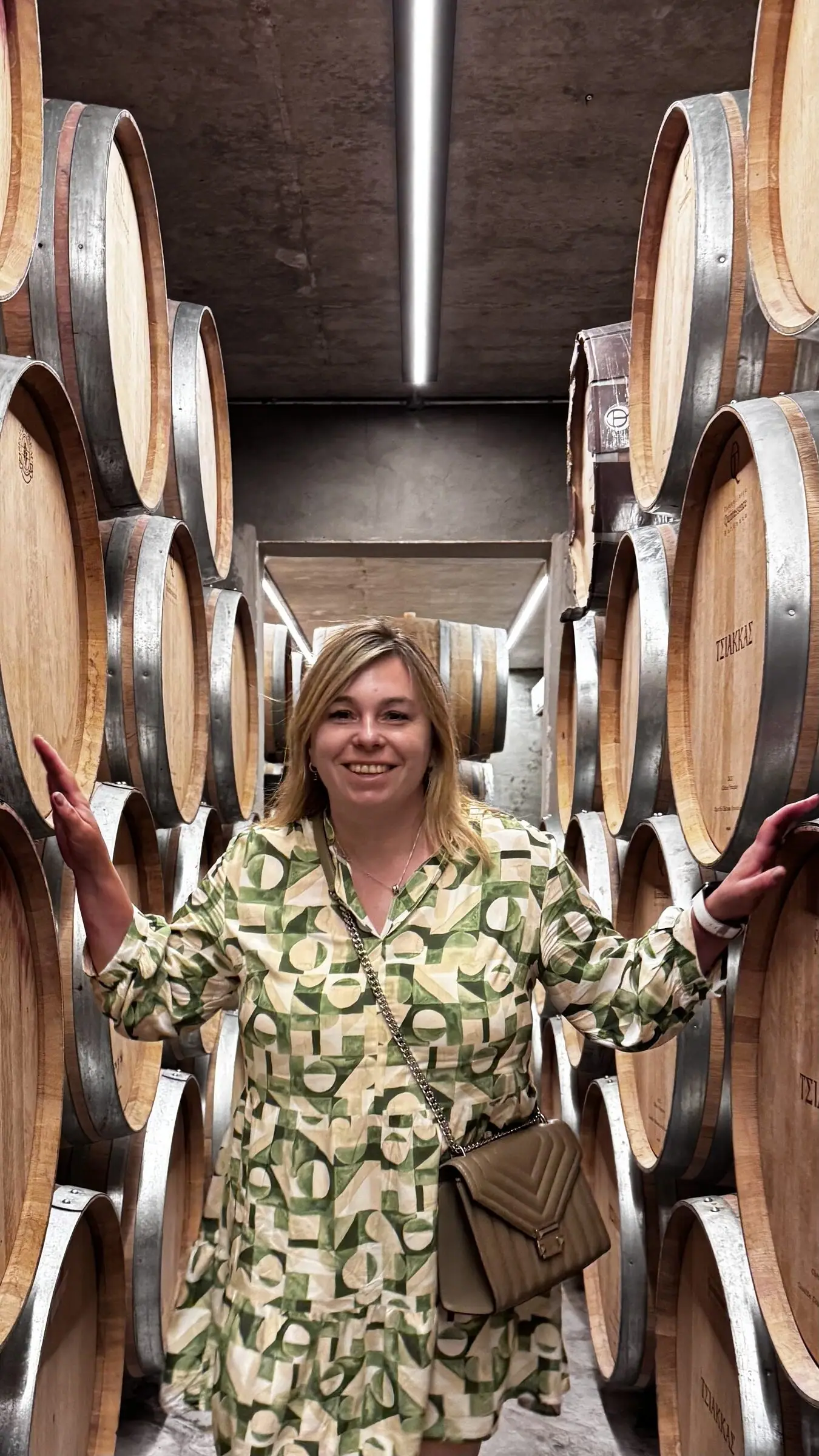
What struck me most was how clearly the altitude and terroir came through in the glass. The whites had a brightness and freshness that felt almost like mountain air: crisp, clean, with a tension that held your attention. The reds showed another side: more depth, spice and structure, but still with that lift you get from vineyards planted high above sea level. Nothing felt heavy or generic.
The tasting flowed naturally into a walk around the winery and its surroundings. Stepping outside with those flavours still fresh on my palate made everything connect. Looking at the slopes, feeling the wind, seeing how the vines are rooted in rocky, demanding soils, it stopped being an abstract idea of ‘terroir’ and started to feel like a real, physical influence you could taste.
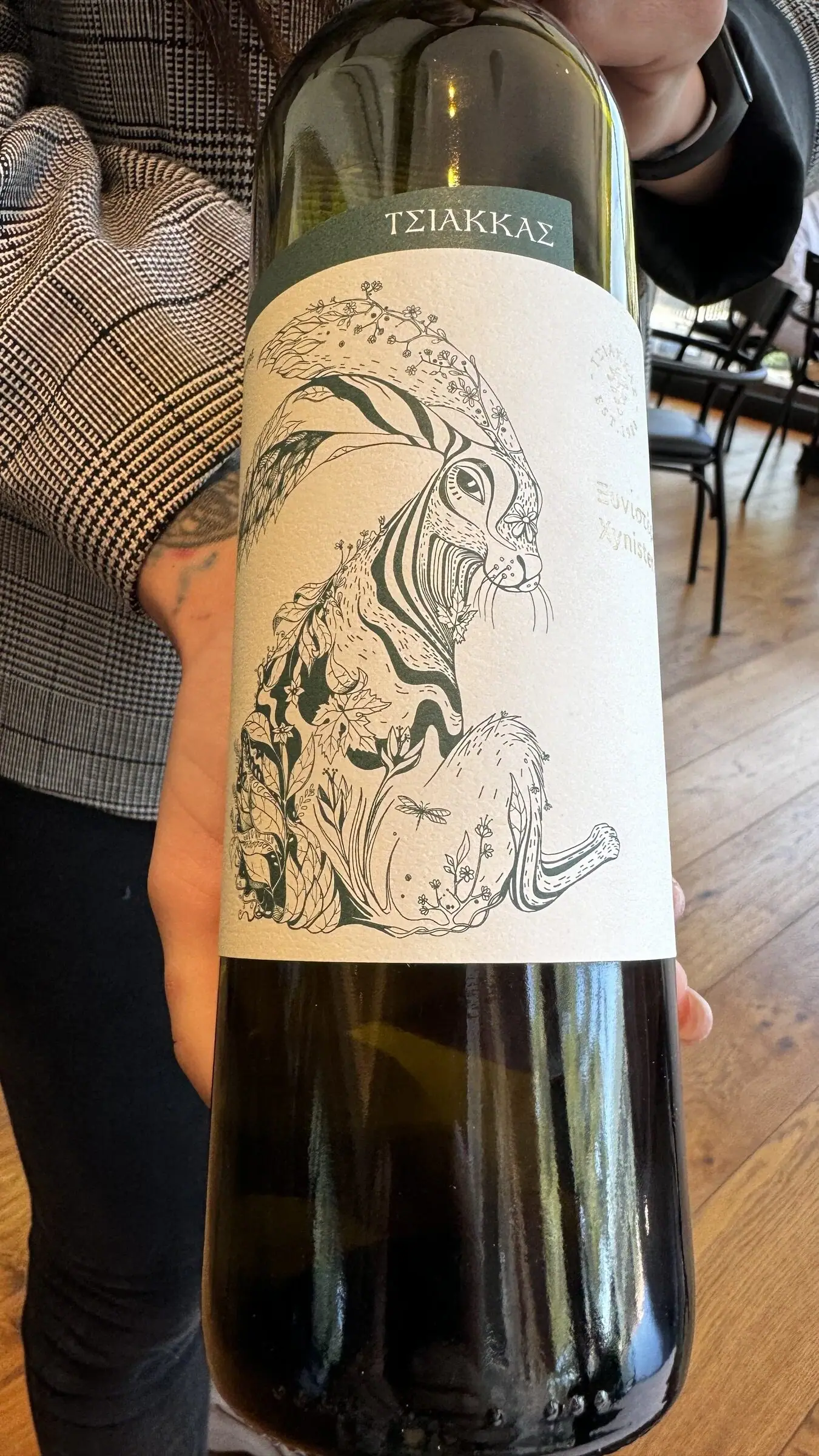
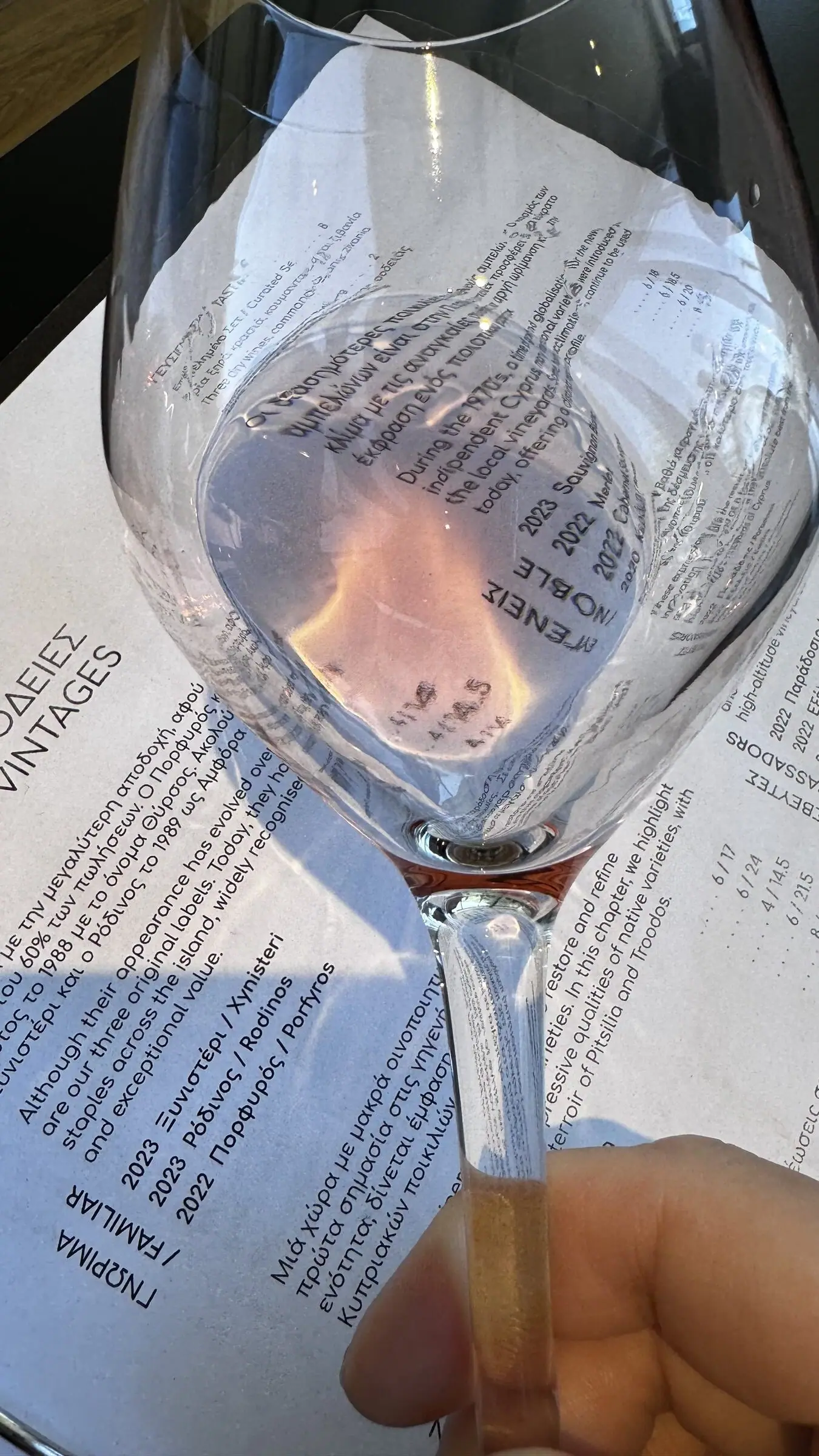
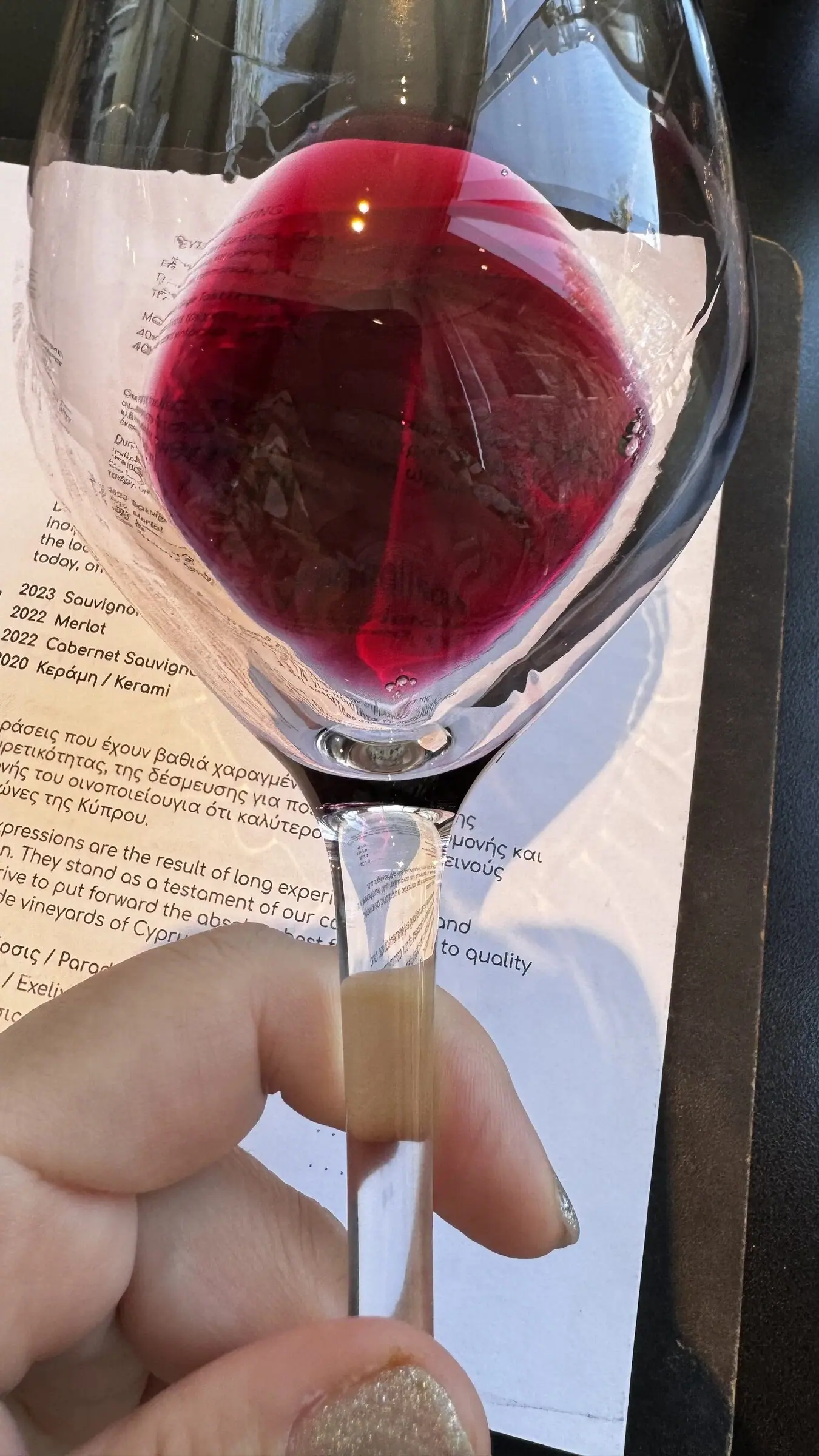
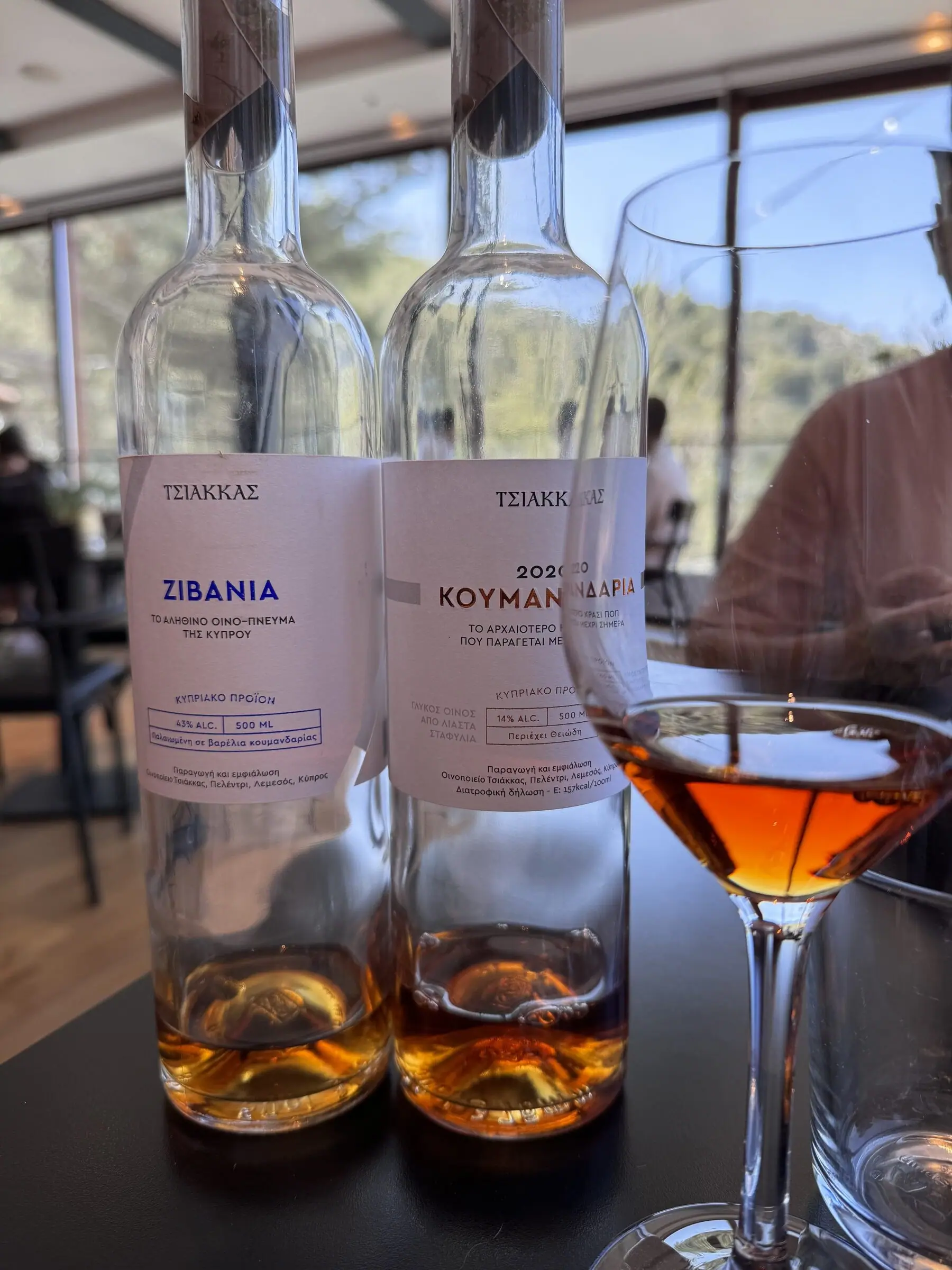
I came away with a story of a family, a landscape and a country that’s often underestimated when it comes to wine. Cyprus may not be the first place people think of when they plan a wine trip, but standing there in the Troodos hills, it felt like a corner of the wine world that you’re almost glad not everyone has discovered yet.
About a year and a half later, I was in London, surrounded by bright lights, busy aisles and the familiar buzz of a CEE wine show. You know the scene: producers pouring, people weaving between stands, endless labels catching your eye. I was moving from one table to the next when I suddenly recognised someone across the room – it was Anastasia. The world is small, especially the wine world.
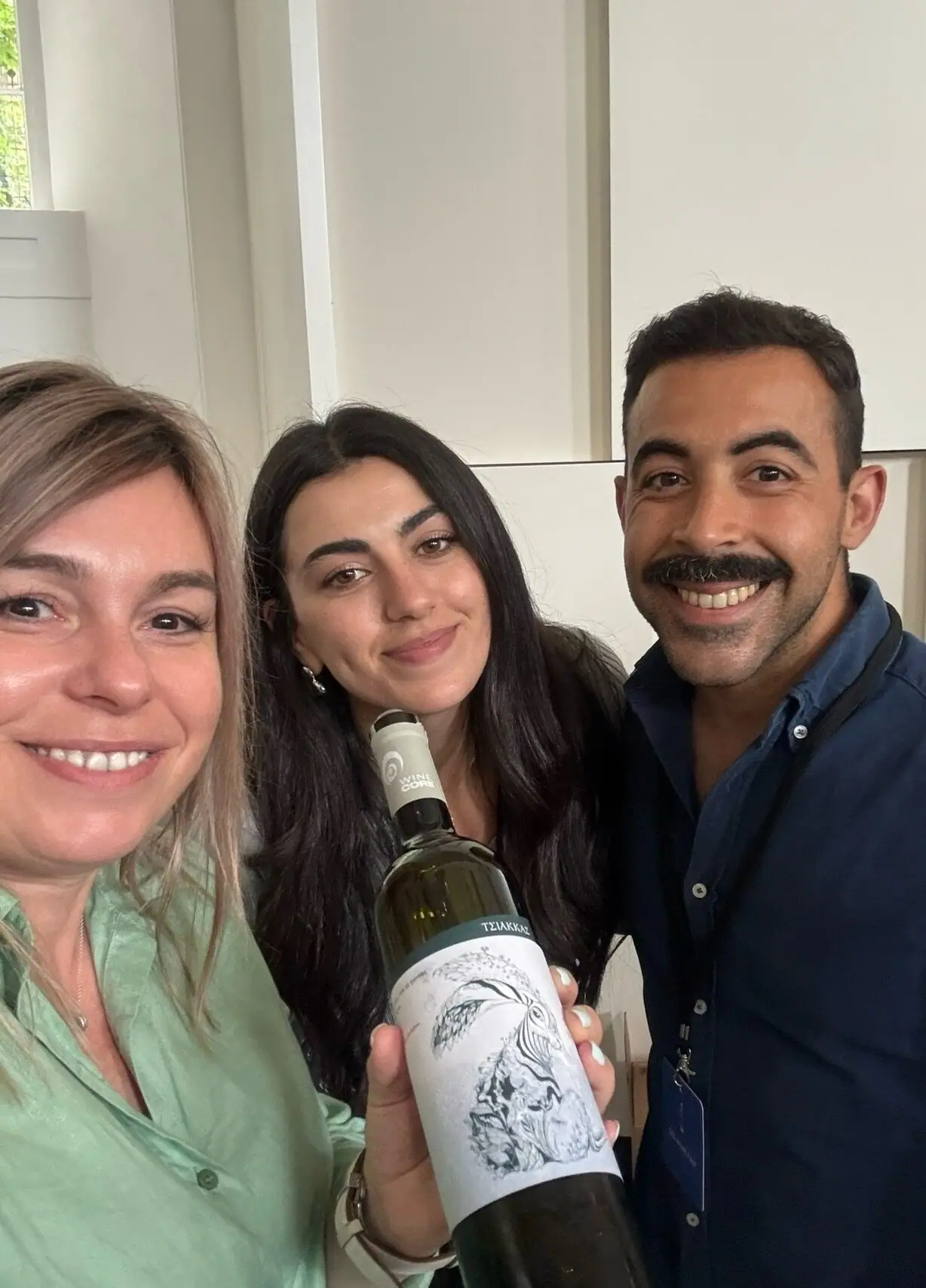
London, 9 June 2025
We actually stock Tsiakkas wines at Amathus. Every time I see those bottles on the shelves, I see the vineyards in the Troodos mountains.
Recommending these wines to customers feels personal, because I’m sharing something I’ve experienced at the source.
I’ve stood in front of the vines and tasted the wines where they’re made.
If you ever find yourself in Cyprus and you’re even slightly curious about wine, make the journey into the hills and take the time to taste, to listen and to walk among the vines.