A sparkling weekend in Champagne: Épernay, Aÿ and beyond
Wine travelsChampagne, France
A weekend from Reims: a small train through Mercier’s chalk cellars, de Venoge and Veuve Clicquot in the glass, and the growers in Aÿ I ran out of time to visit.
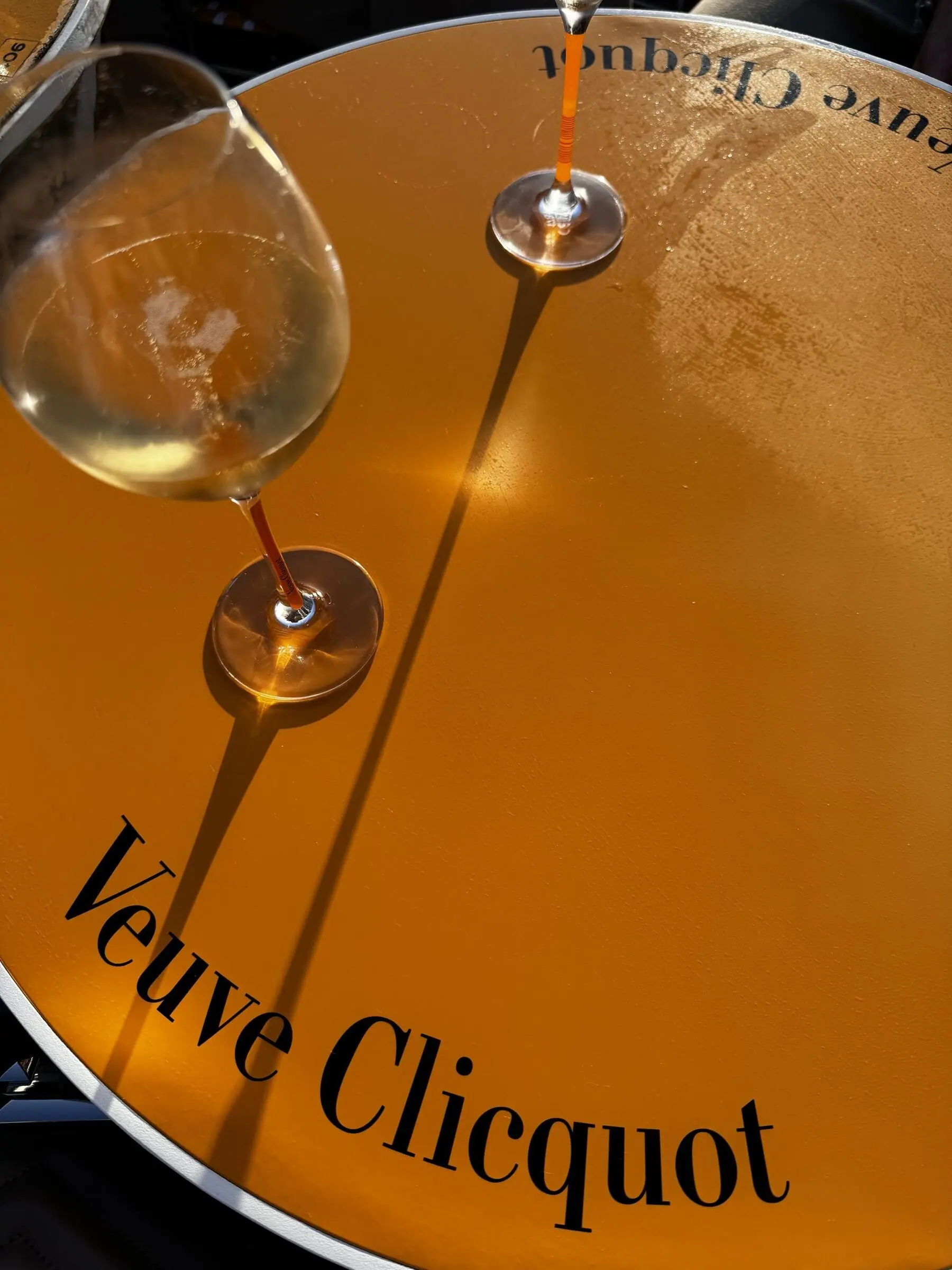
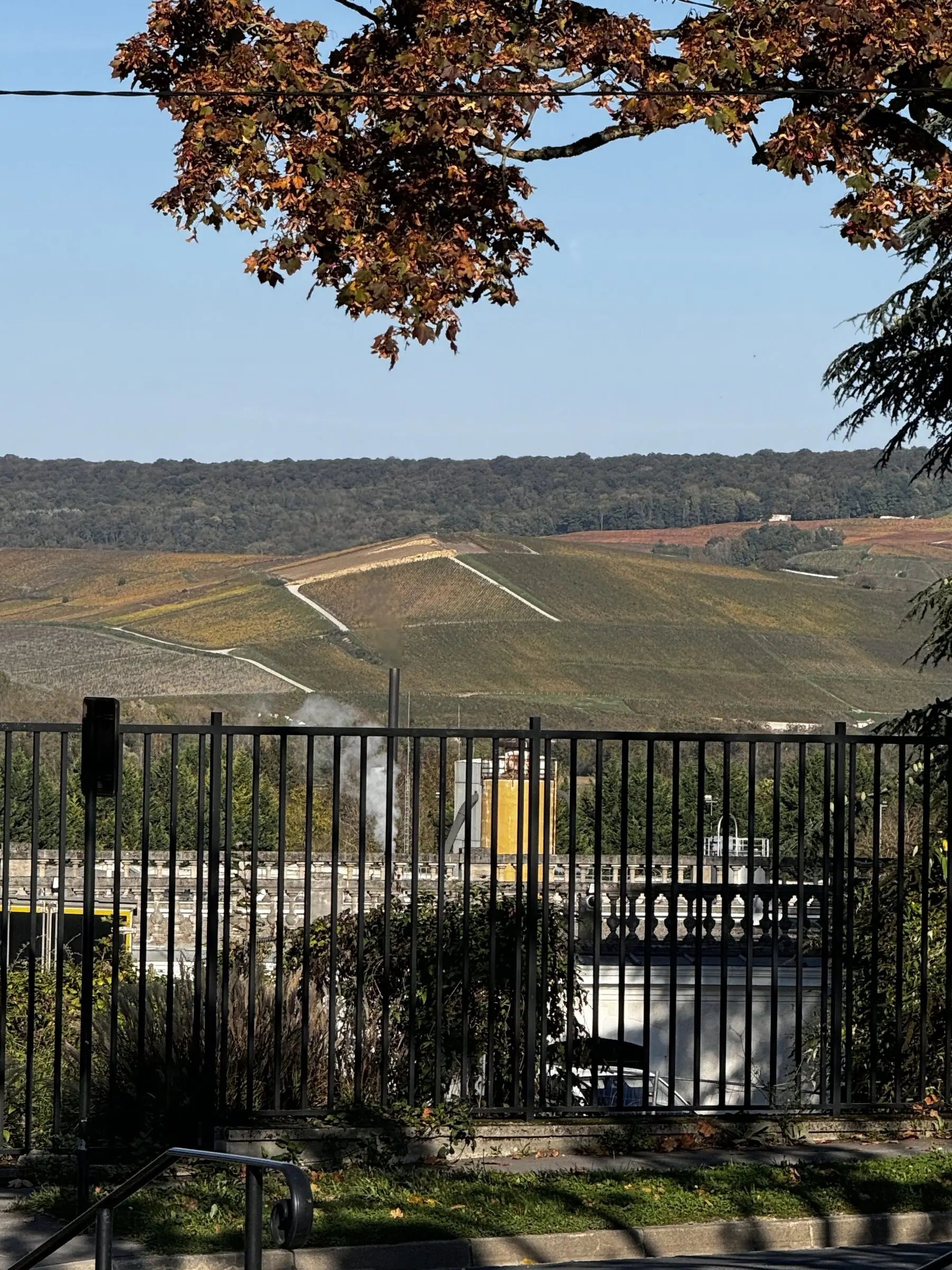
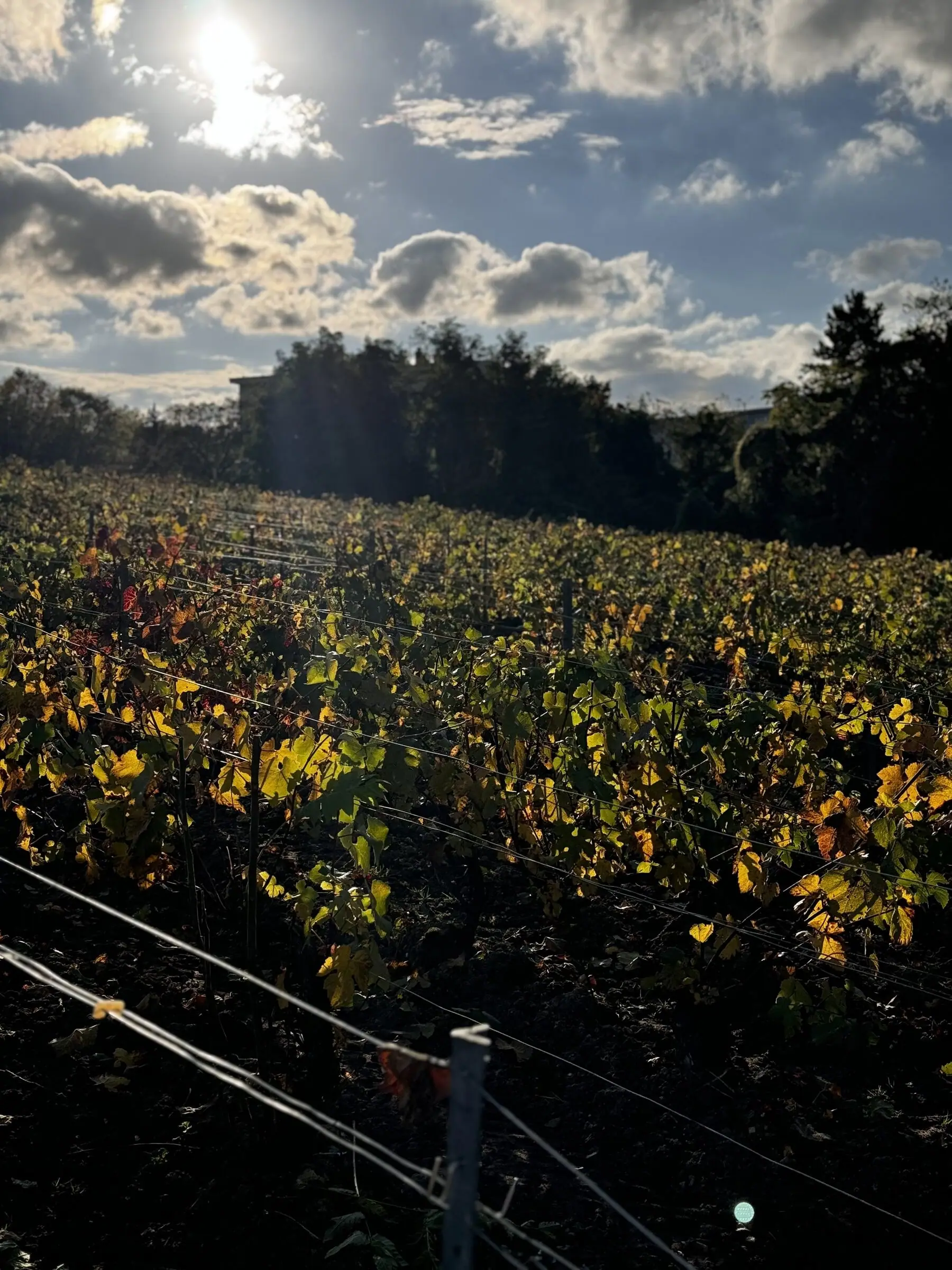
The vineyards around Épernay and Aÿ sit at the northern edge of viable viticulture, which means grapes ripen slowly and keep a naturally high level of acidity. This freshness is essential for sparkling wine. The soils, rich in chalk, play an equally important role. Chalk drains well yet holds enough moisture to help the vines through dry spells, and it also reflects light and heat back towards the grapes. Many people feel this subsoil leaves a subtle ‘chalky’ imprint on the character of the wines.
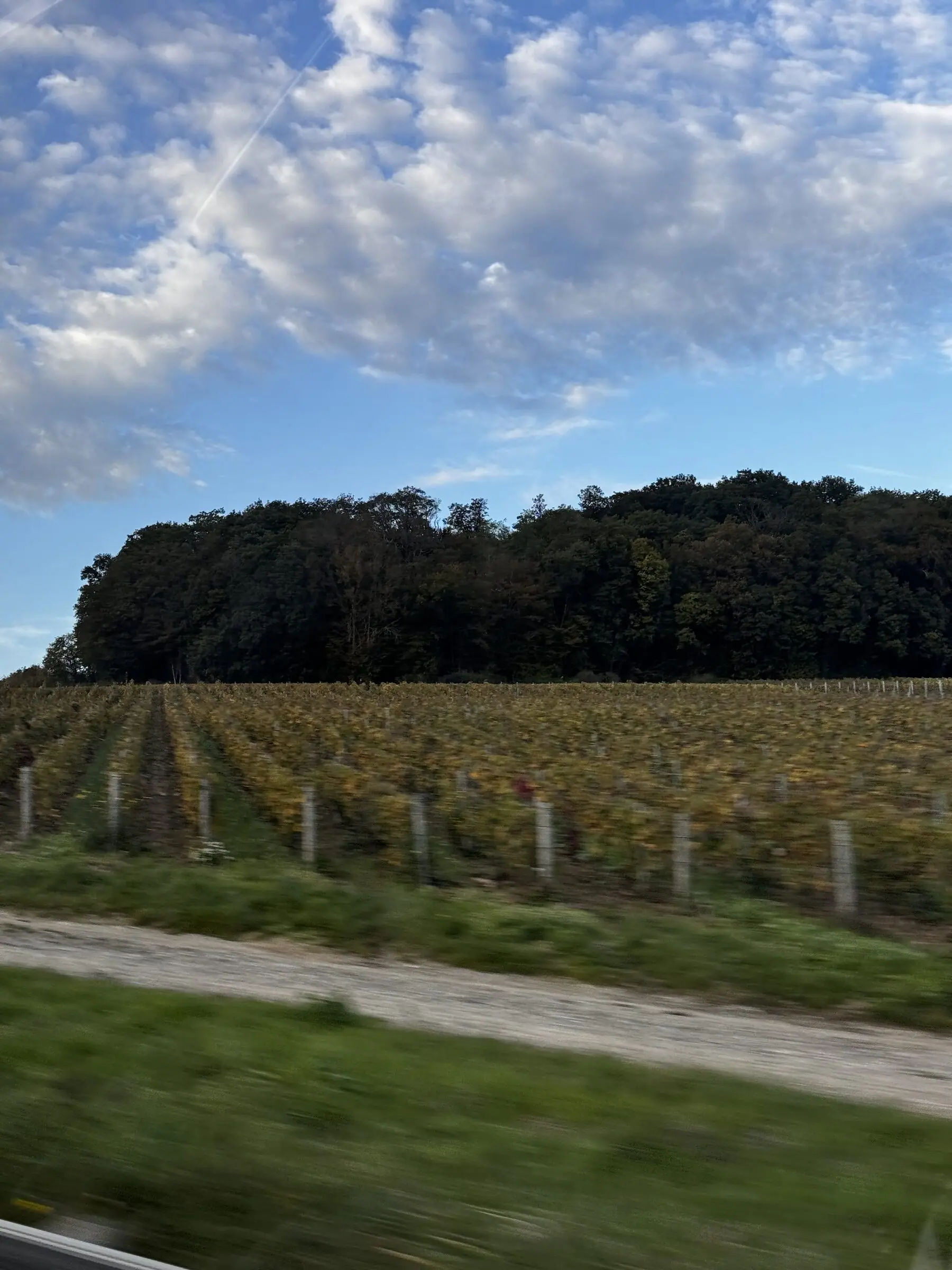
The three main grape varieties grown here are Chardonnay, Pinot Noir and Meunier. Chardonnay brings elegance, citrus notes and a sense of tension to the wines. Pinot Noir adds structure, body and red-fruited depth, while Meunier offers roundness and approachable fruitiness, and it tends to ripen a little earlier, which is useful in such a cool region. In and around Épernay you find a mix of these grapes depending on the exact site and exposure, while Aÿ has long been famous for its powerful and structured Pinot Noir. In Champagne, grapes must be harvested by hand. This protects the bunches from being crushed too early and helps prevent unwanted oxidation or spontaneous fermentation. Typically they are picked relatively early compared with still-wine regions, to preserve acidity.
Once the grapes arrive at the press house, they are gently pressed under strict rules that limit how much juice can be taken from a certain weight of grapes. The resulting juice is then fermented to make still ‘base wines’. These ferments usually take place in stainless-steel tanks, which keep the flavours pure and fresh, although some houses also use oak barrels for specific cuvées to add texture and complexity. Each parcel, grape variety and sometimes each village is vinified separately. The result, after the first fermentation, is not yet sparkling wine but a collection of high-acid, low-alcohol base wines that will later be blended.
Then comes blending, where each house combines different components, and often reserve wines from previous years, to create its signature style. The blended wine is bottled with a little yeast and sugar, triggering a second fermentation in the bottle that creates the bubbles. The bottles rest for years in the cool chalk cellars under towns like Épernay and Aÿ, ageing on their lees and slowly developing finer bubbles and flavours of brioche and toast. After the lees are removed and a small, carefully judged dose of sweetness is added, the wines are finally corked and ready to drink. Visiting both the grandes maisons and the smaller growers lets you taste how the same method can lead to very different, and very personal, expressions of Champagne.
Our base was Reims, but we went for a day to Épernay, the beating heart of Champagne, and from the moment I arrived I knew two days wouldn’t be nearly enough.
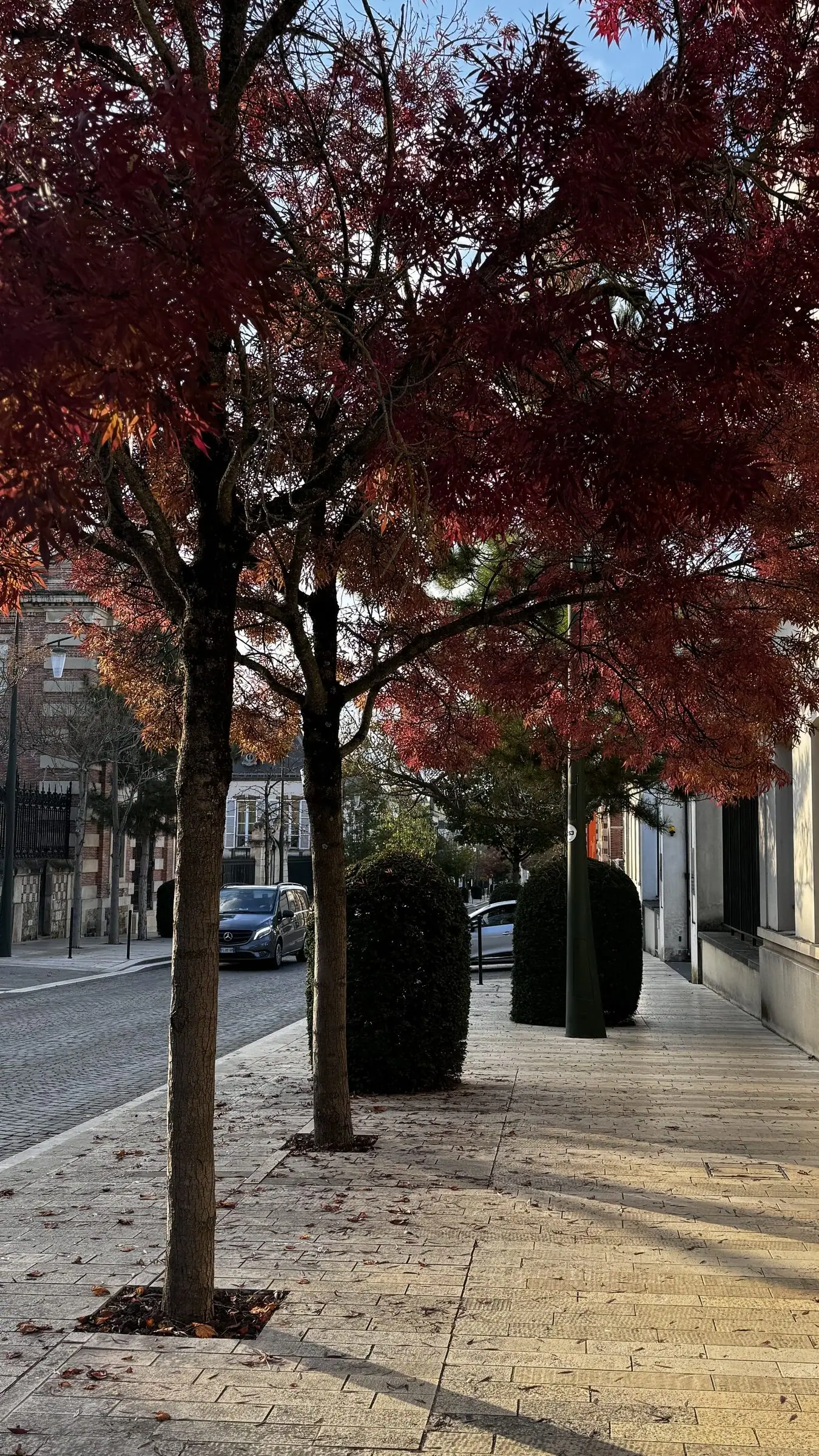
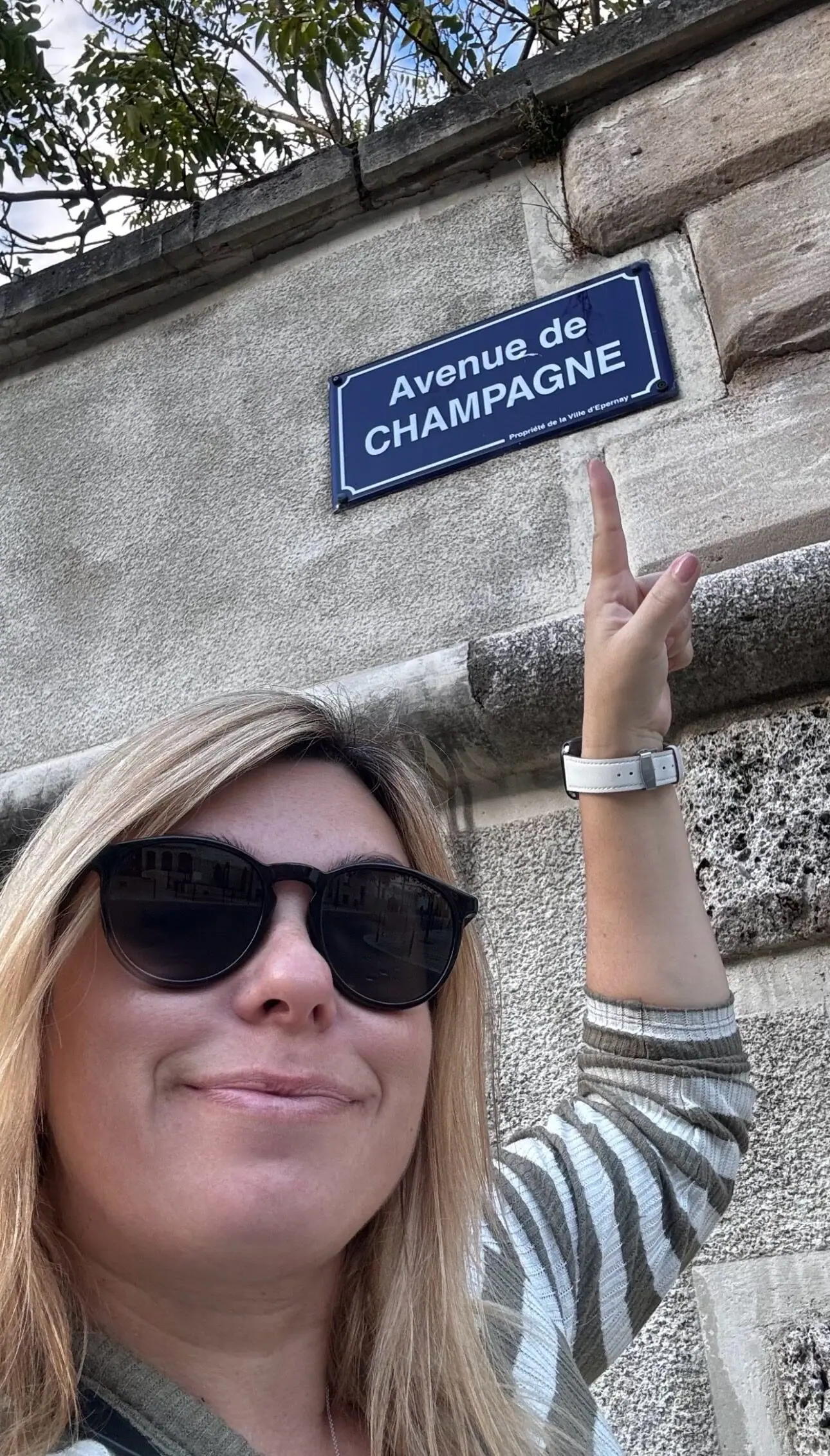
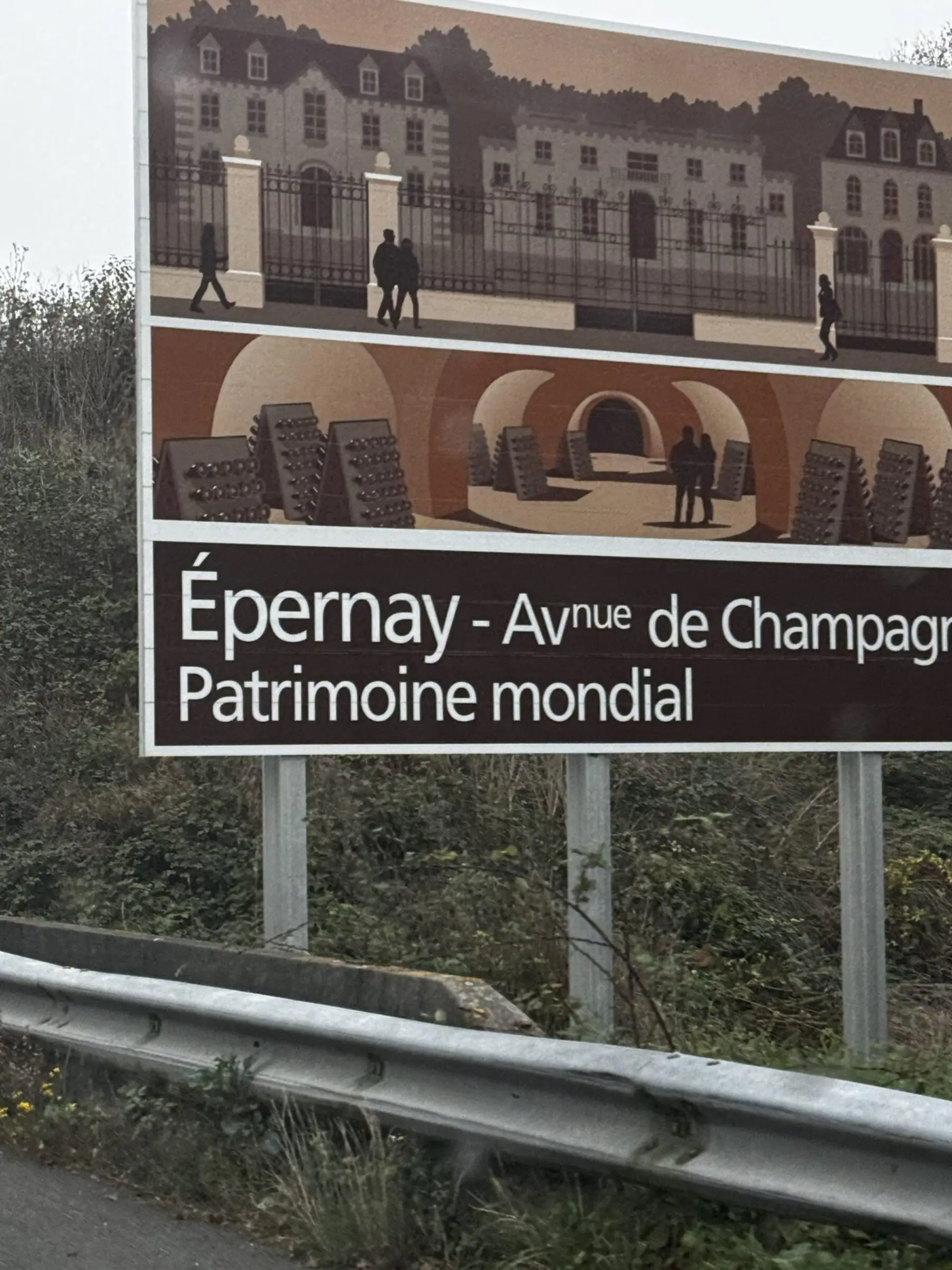
Avenue de Champagne
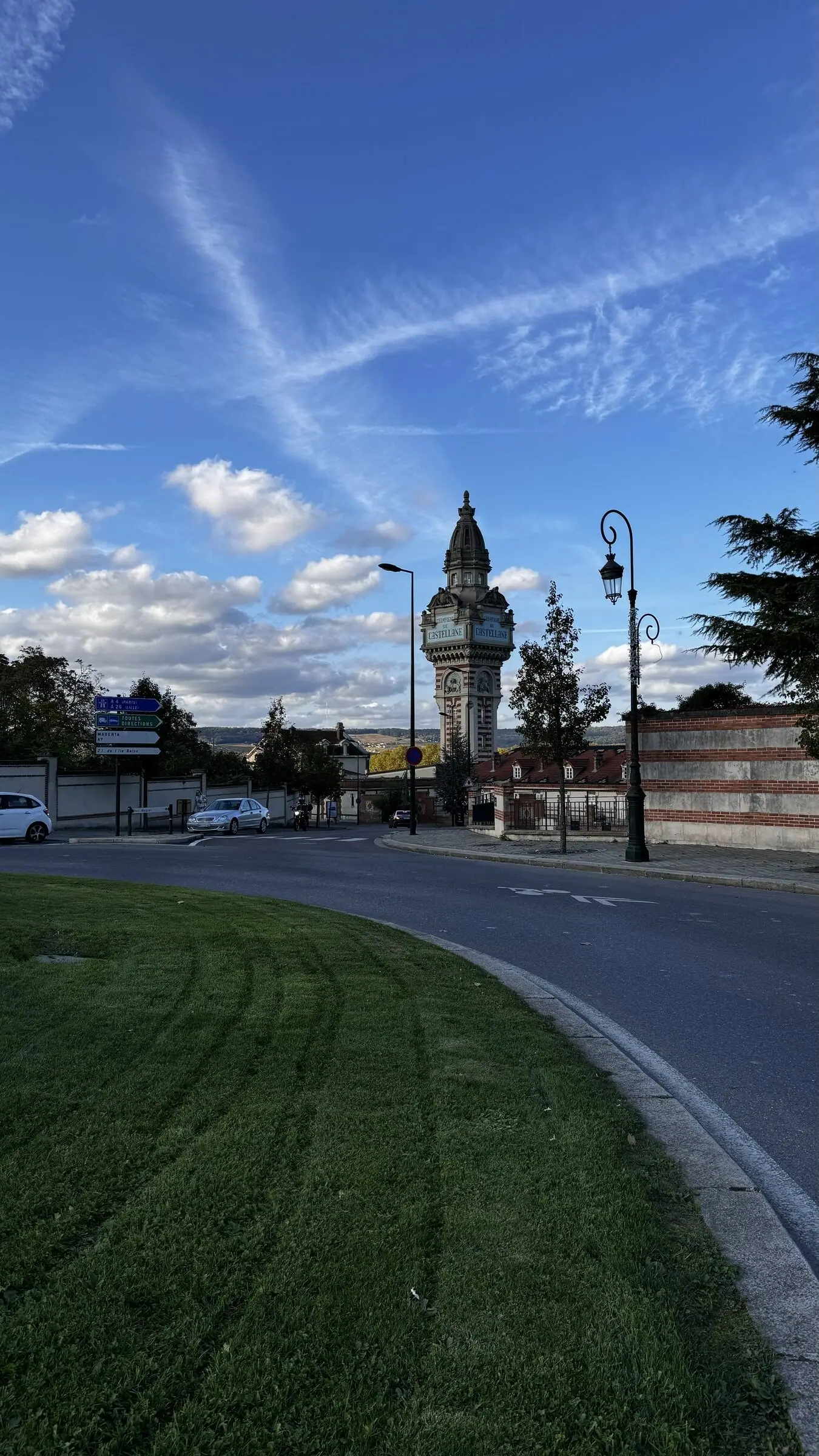
Épernay’s famous Avenue de Champagne is exactly as glamorous as it sounds, lined with grand 19th‑century mansions and Champagne houses.
As I wandered down the avenue, I passed:
- Moët & Chandon, with its impressive façade and vast underground cellars
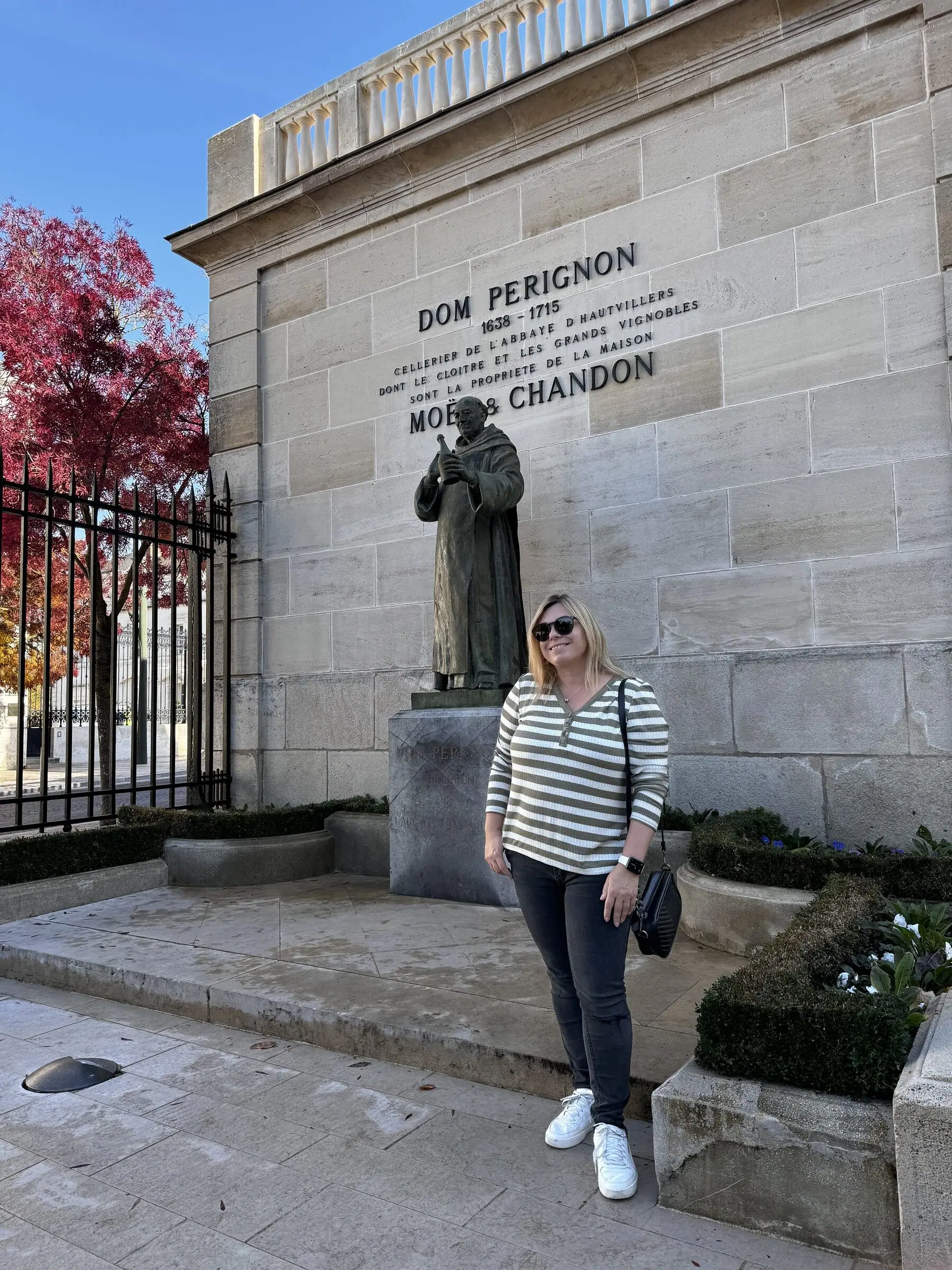
- Dom Pérignon, named for the monk who helped shape the Champagne style
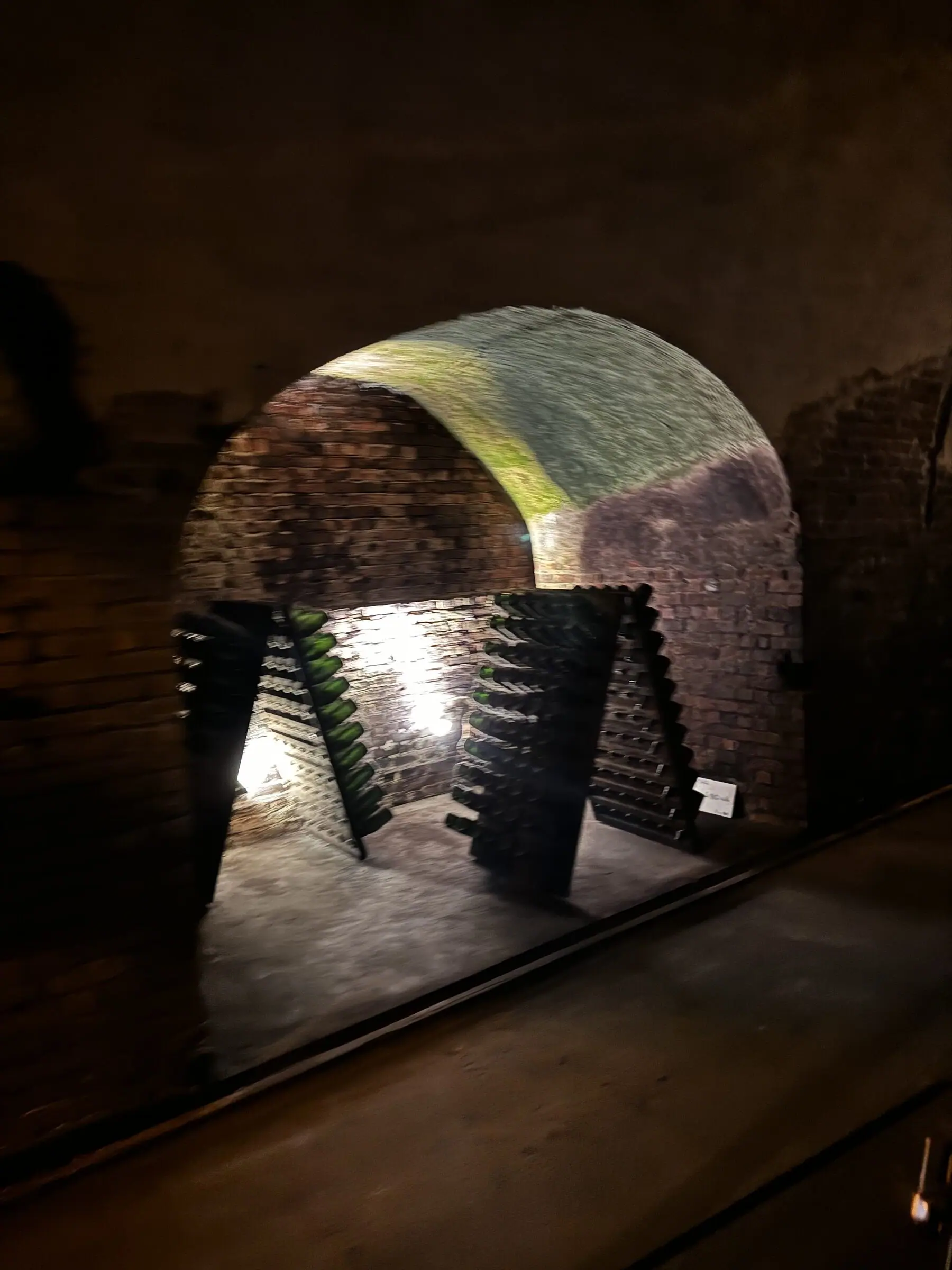
Beneath your feet are kilometres of chalk cellars filled with millions of bottles slowly ageing in the dark.
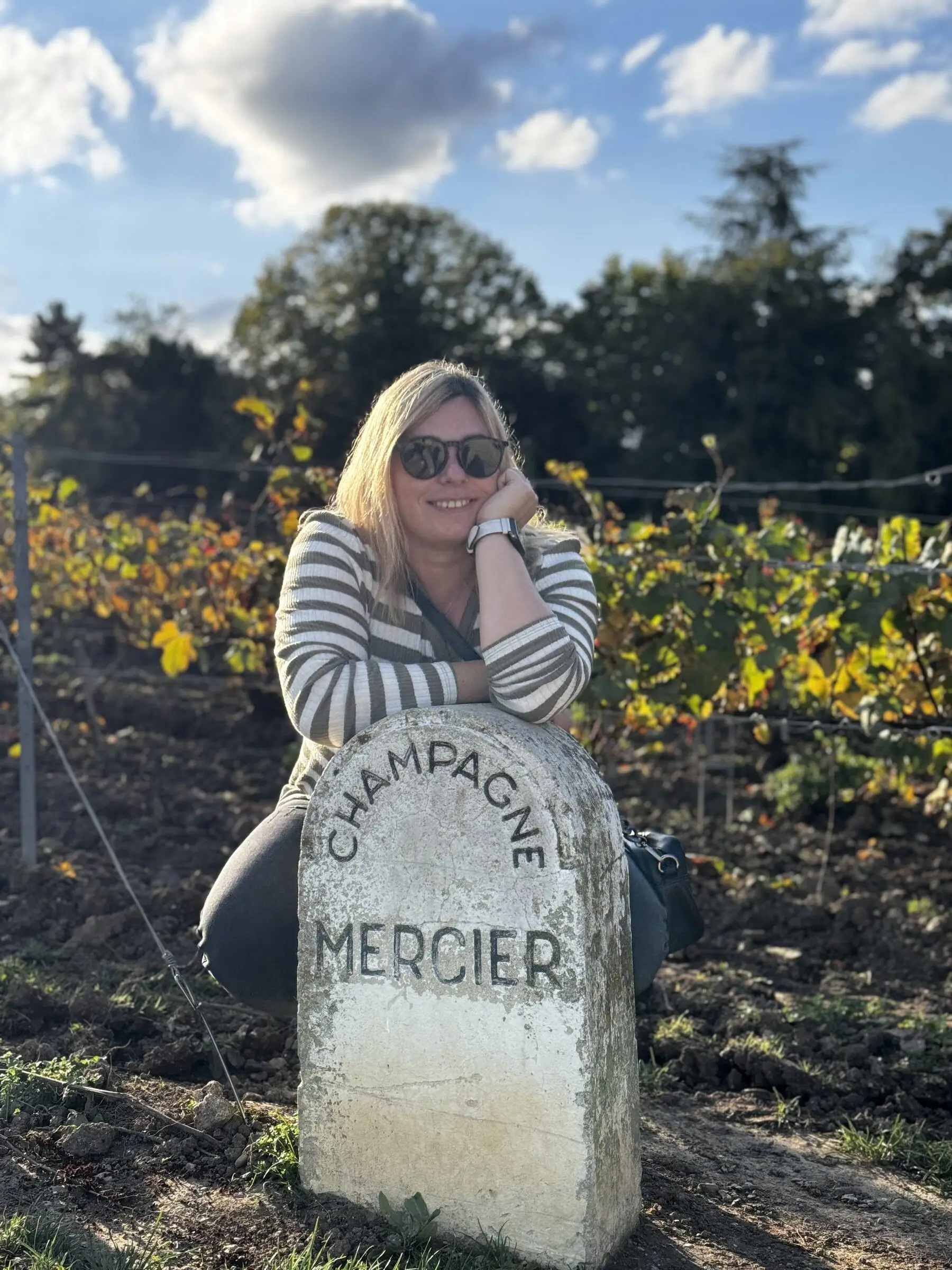
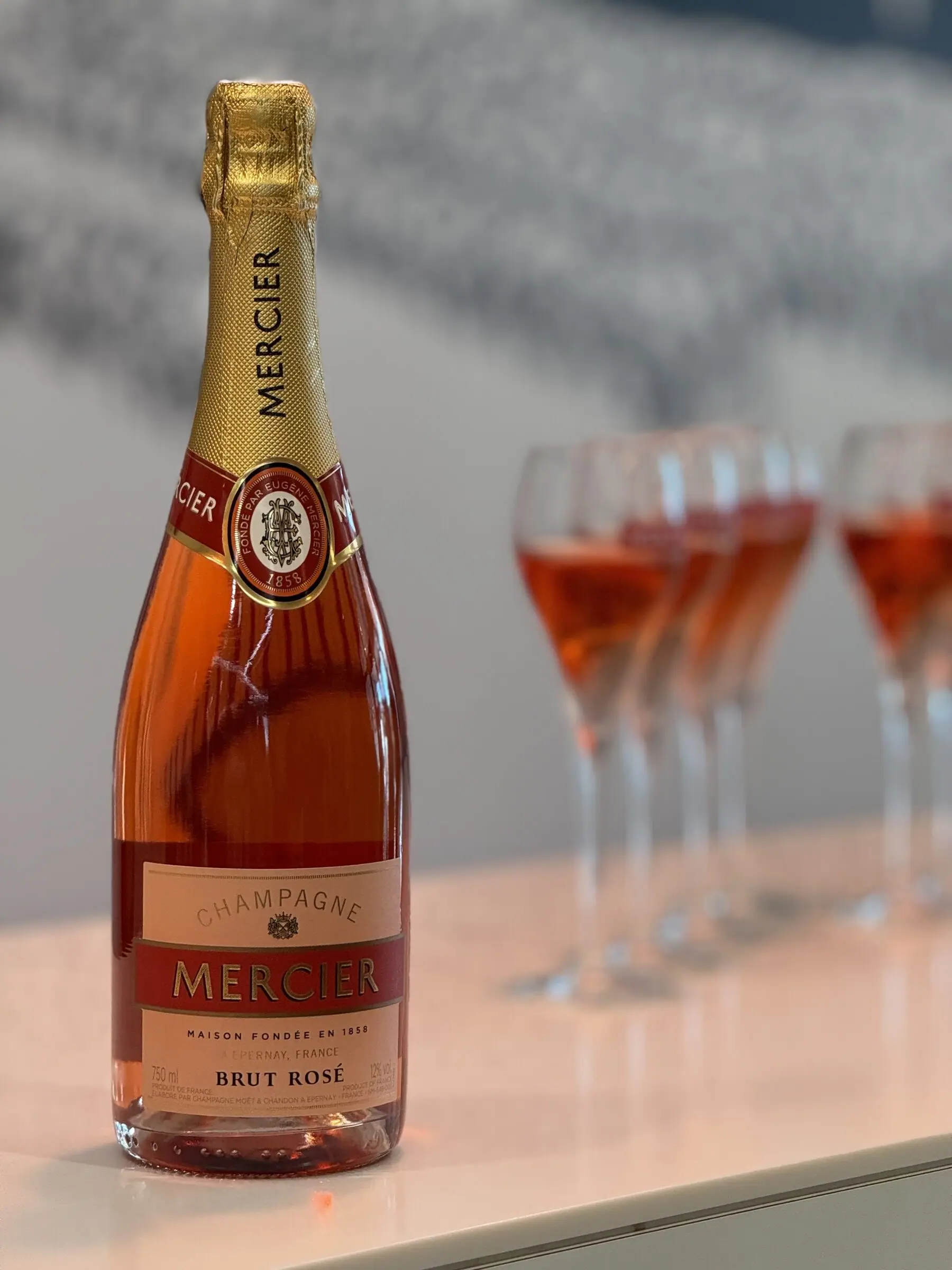
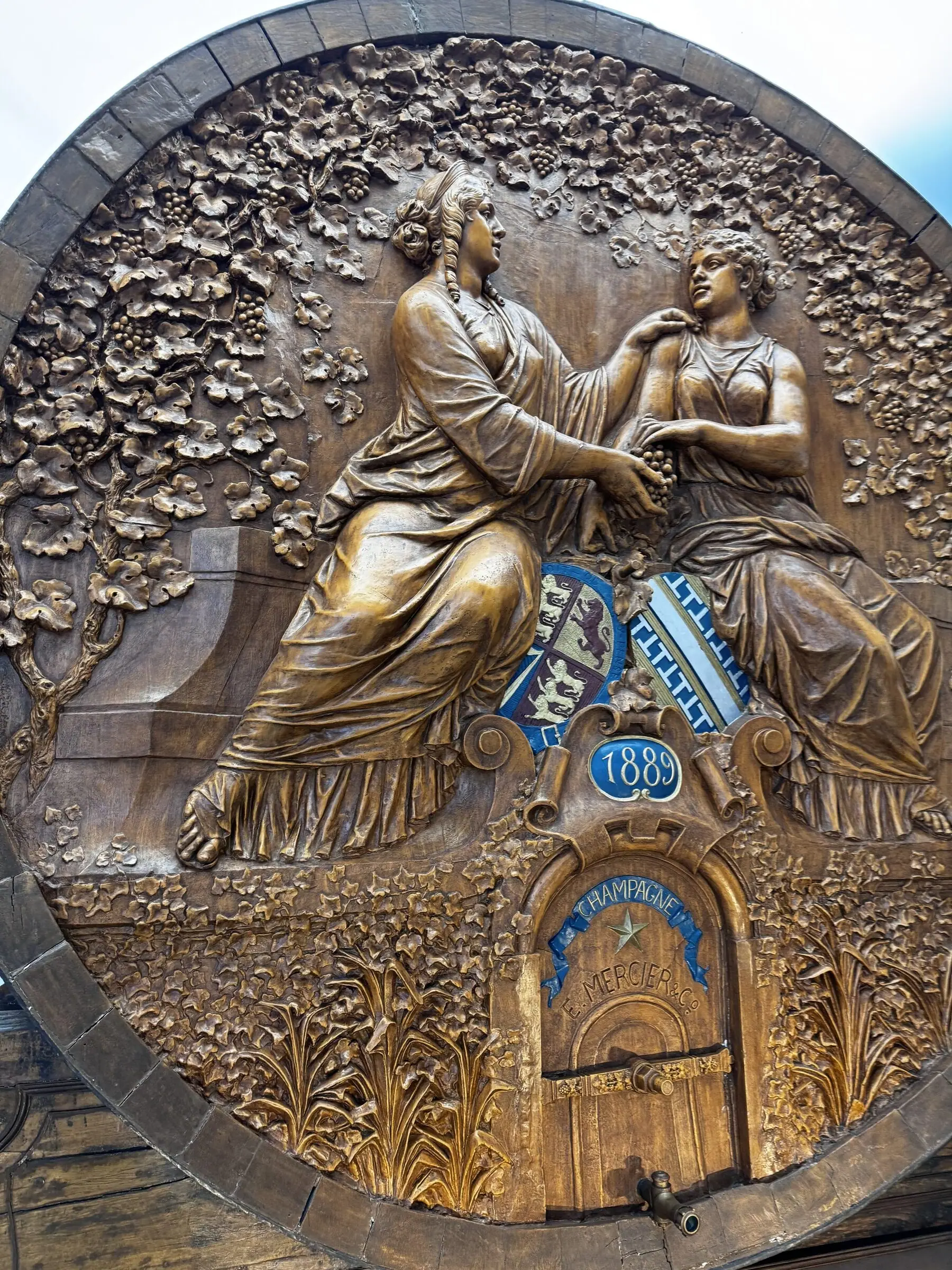
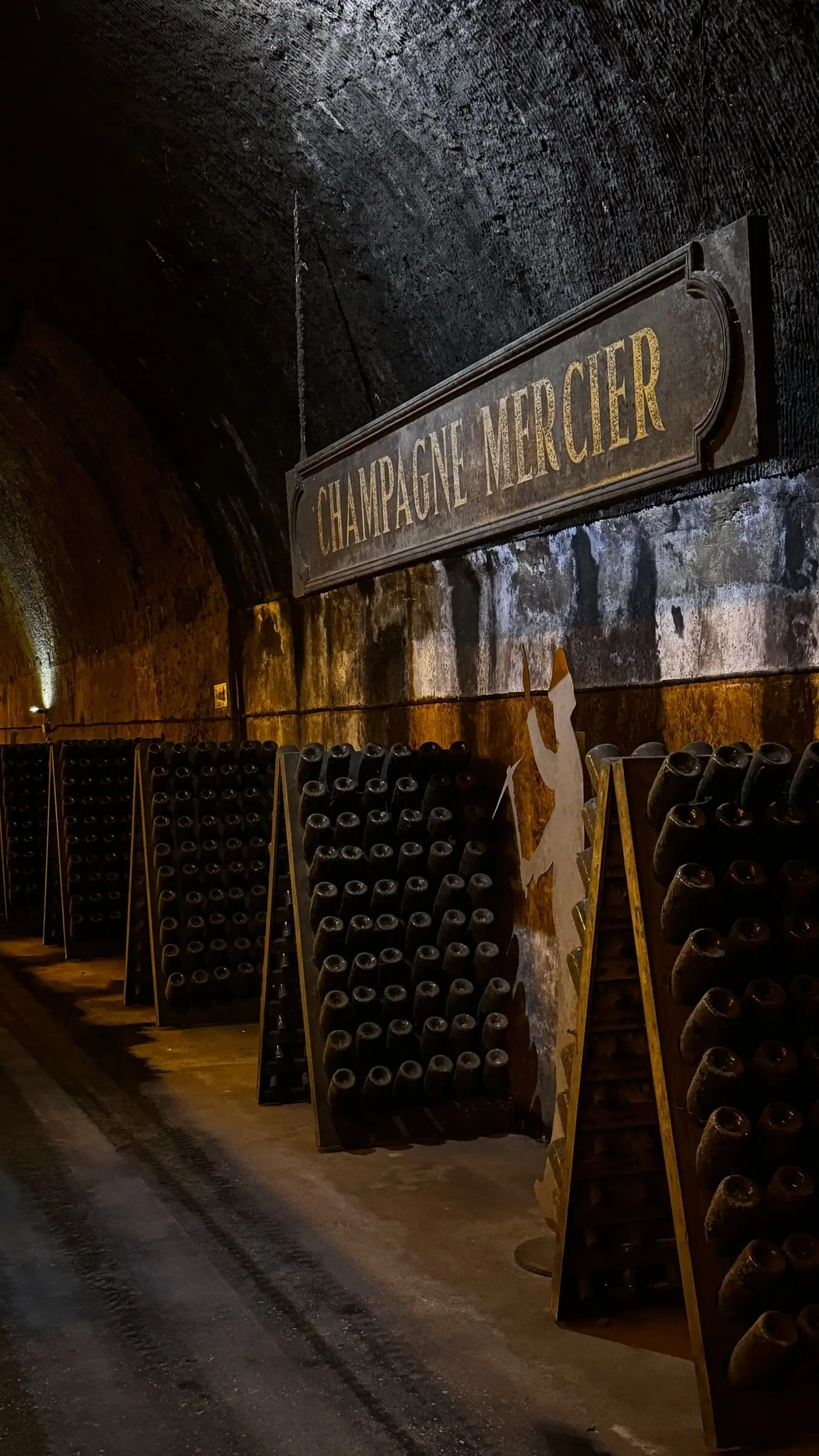
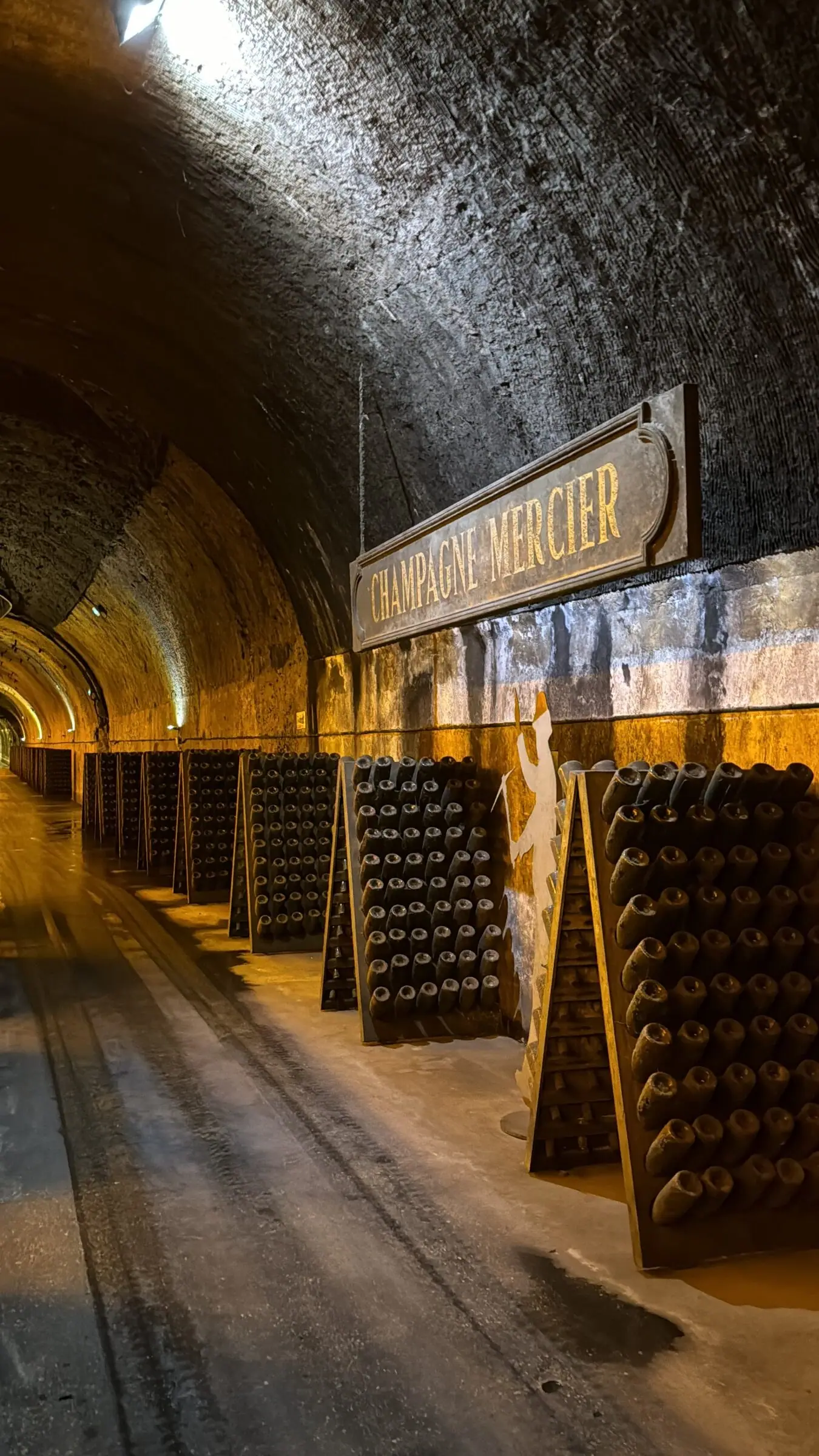
One of the highlights of the weekend was heading underground into the Champagne cellars. We visited Mercier, a house known for making the experience fun and accessible, even if you’re not a wine expert.
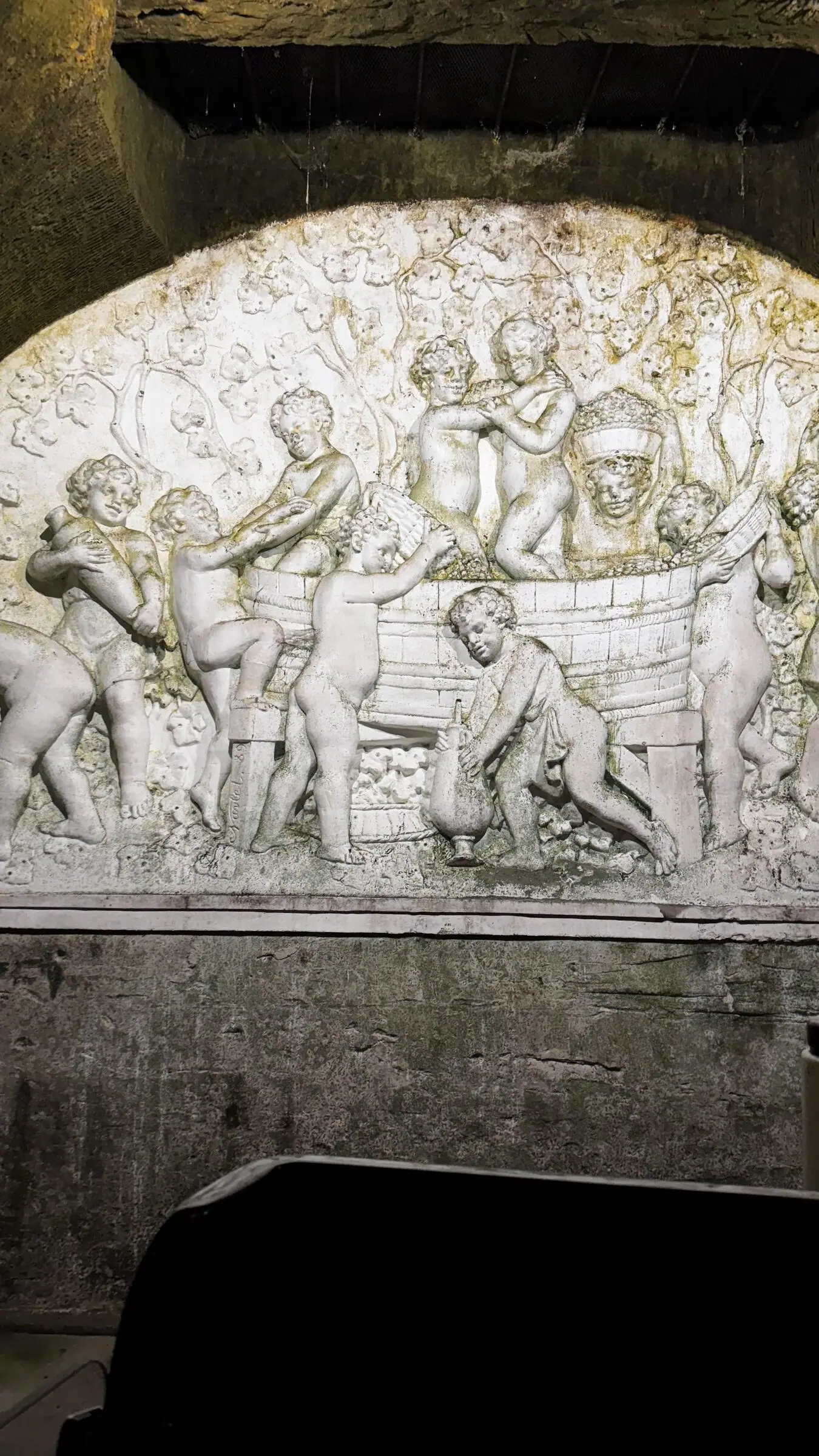
After a brief introduction, we descended into the cellars and boarded a small train that took us through the tunnels. Gliding past carved walls and stacks of bottles while listening to the story of the house was a good way to see how vast these underground networks are. It’s hard to grasp from street level that so much of Champagne’s magic happens in these cool, chalky corridors.
Tasting de Venoge and Veuve Clicquot
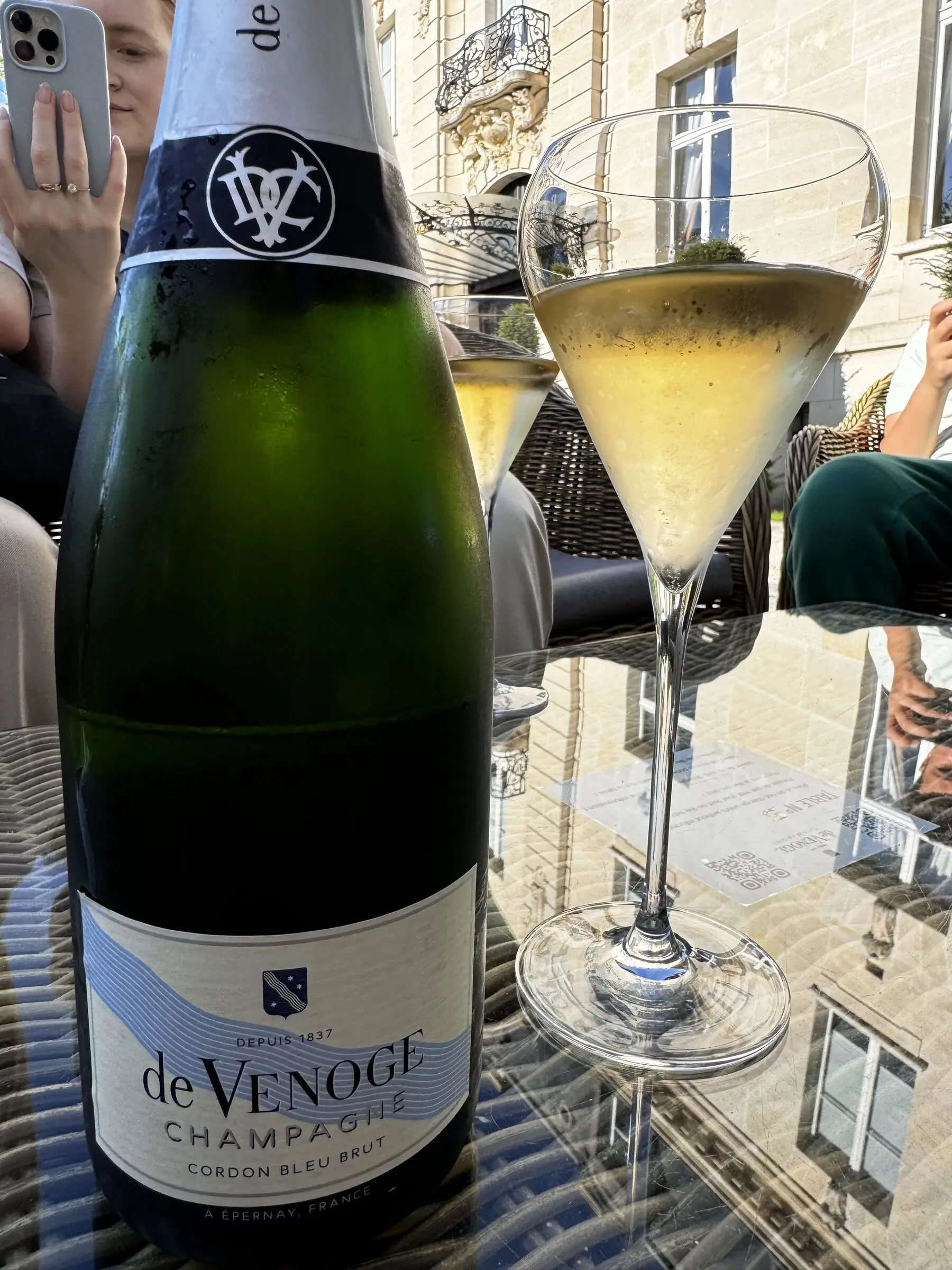
No trip to Champagne is complete without a tasting, and one of my favourites from the weekend was de Venoge.
The Champagnes were elegant, with fine bubbles and a beautiful interplay of freshness and complexity. It’s one thing to read about dosage levels and reserve wines – it’s quite another to taste how they shape the final cuvée. The venue is so impressive too. Highly recommended.
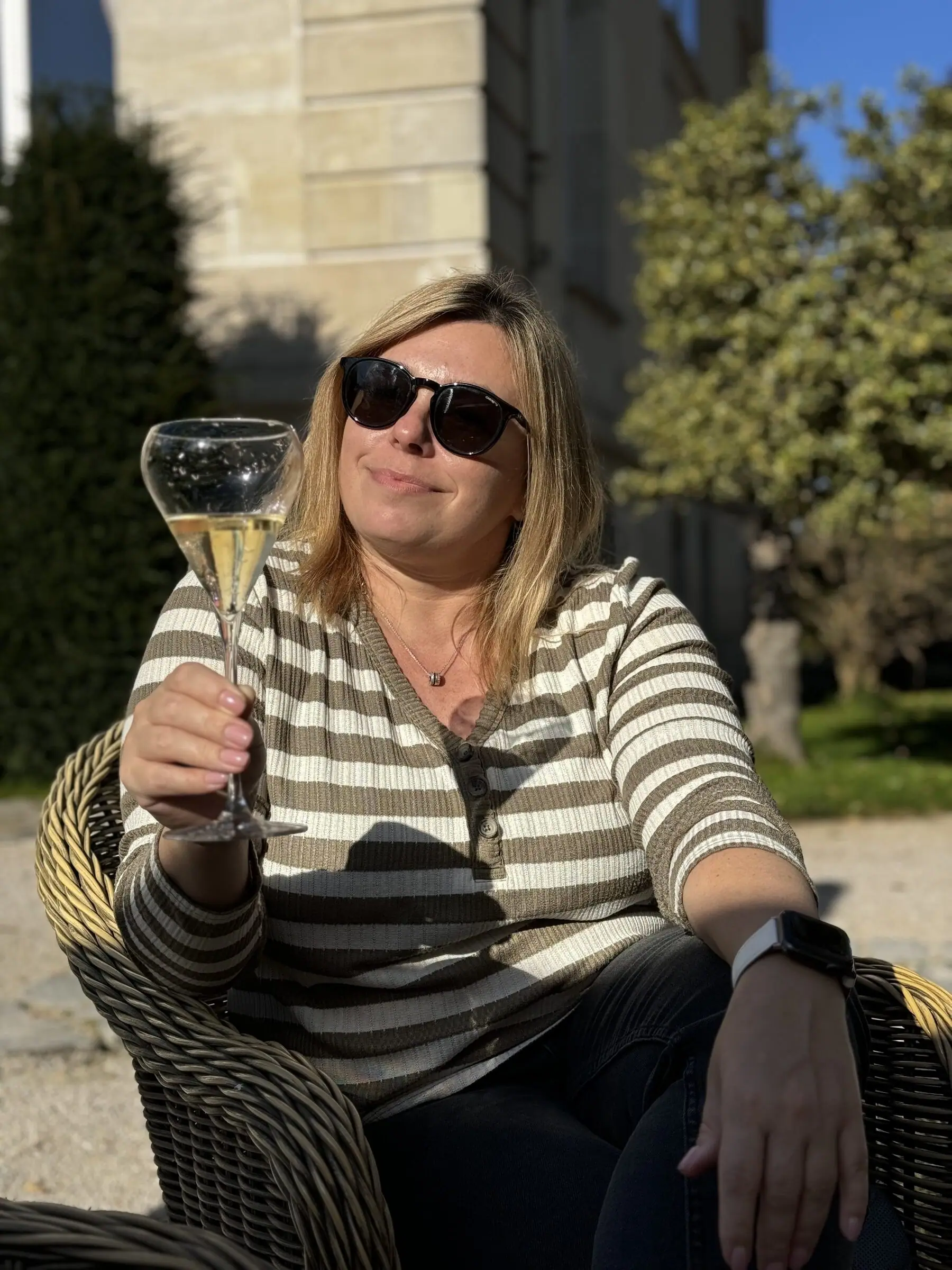
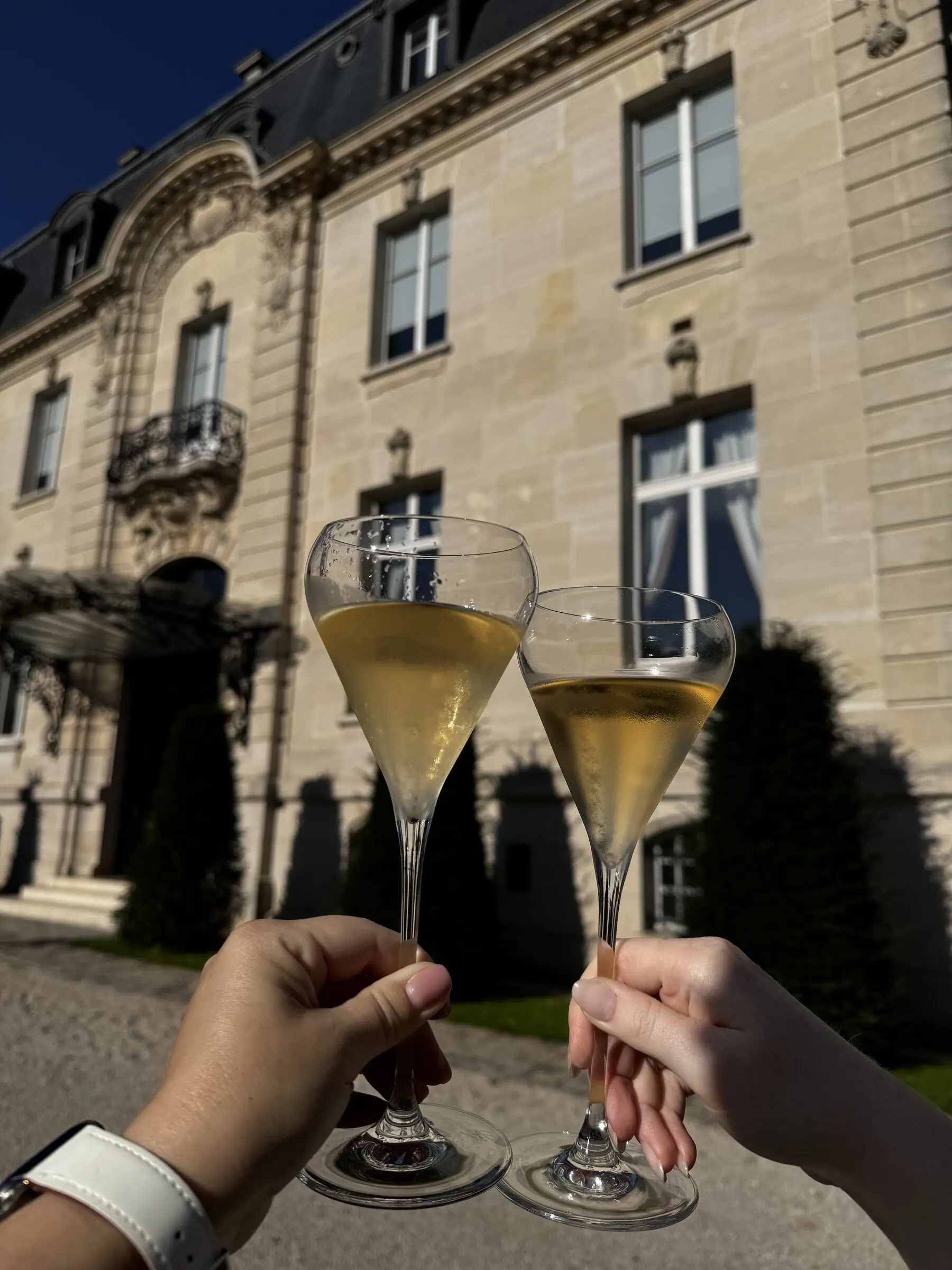
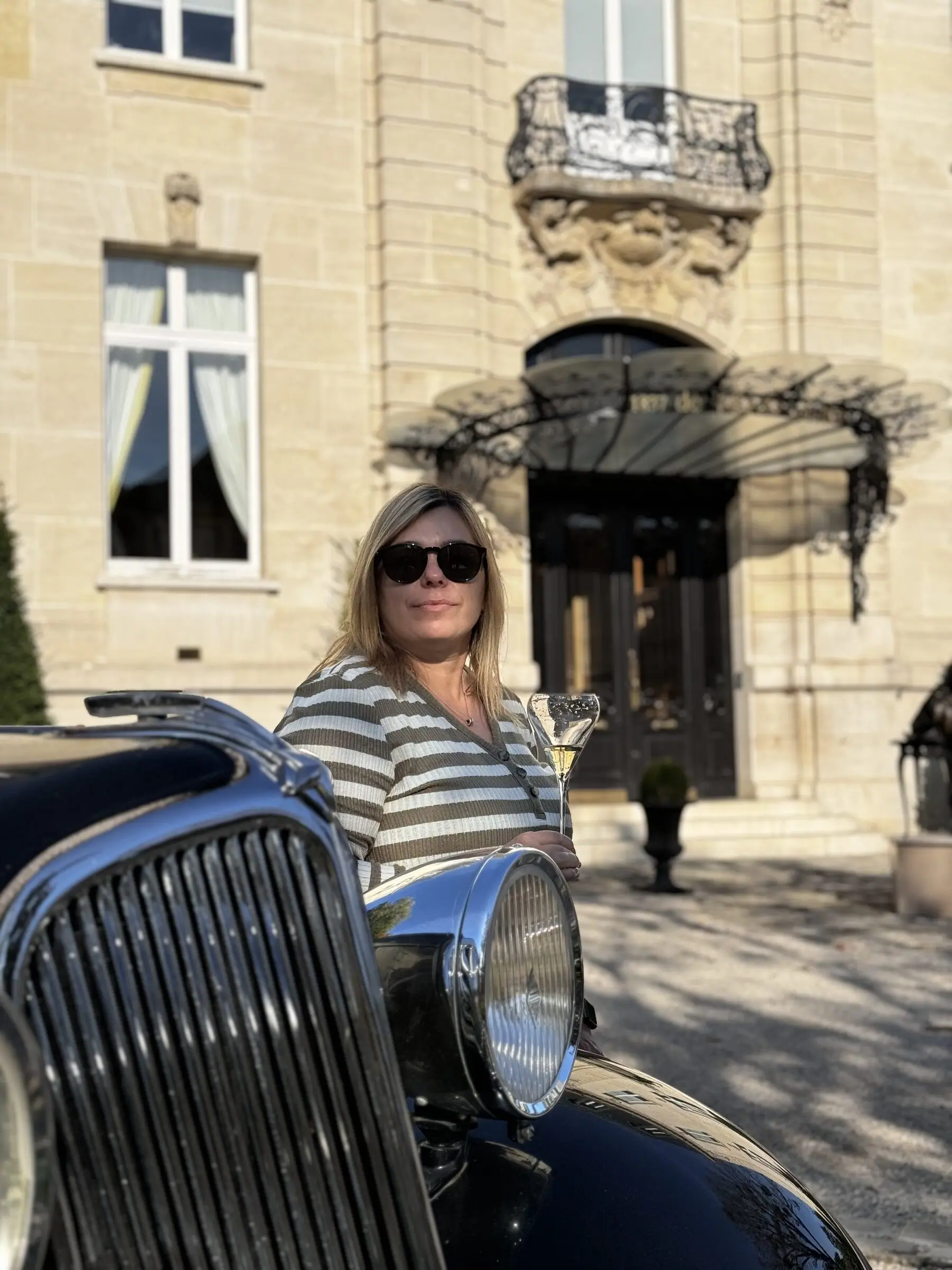
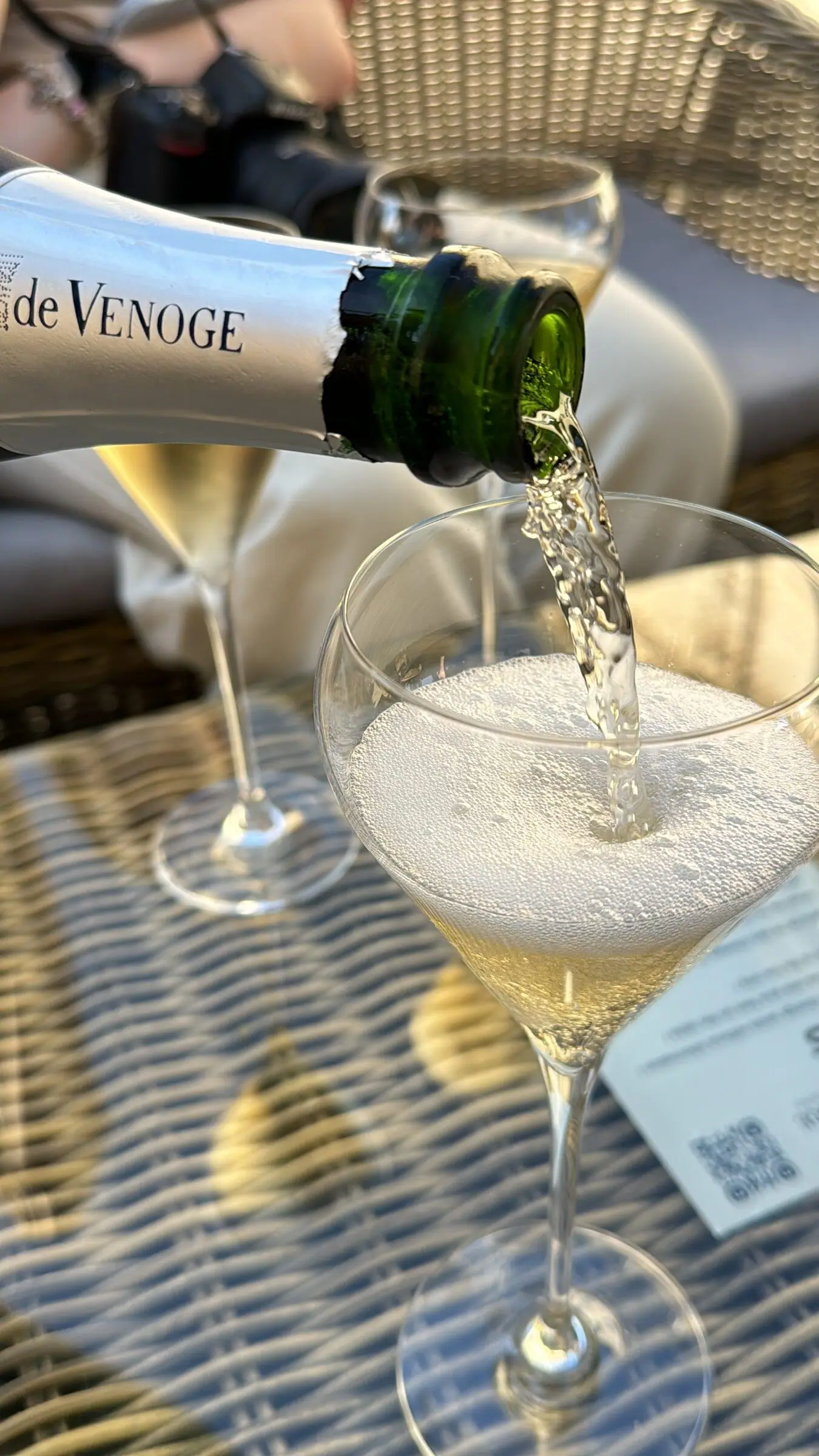
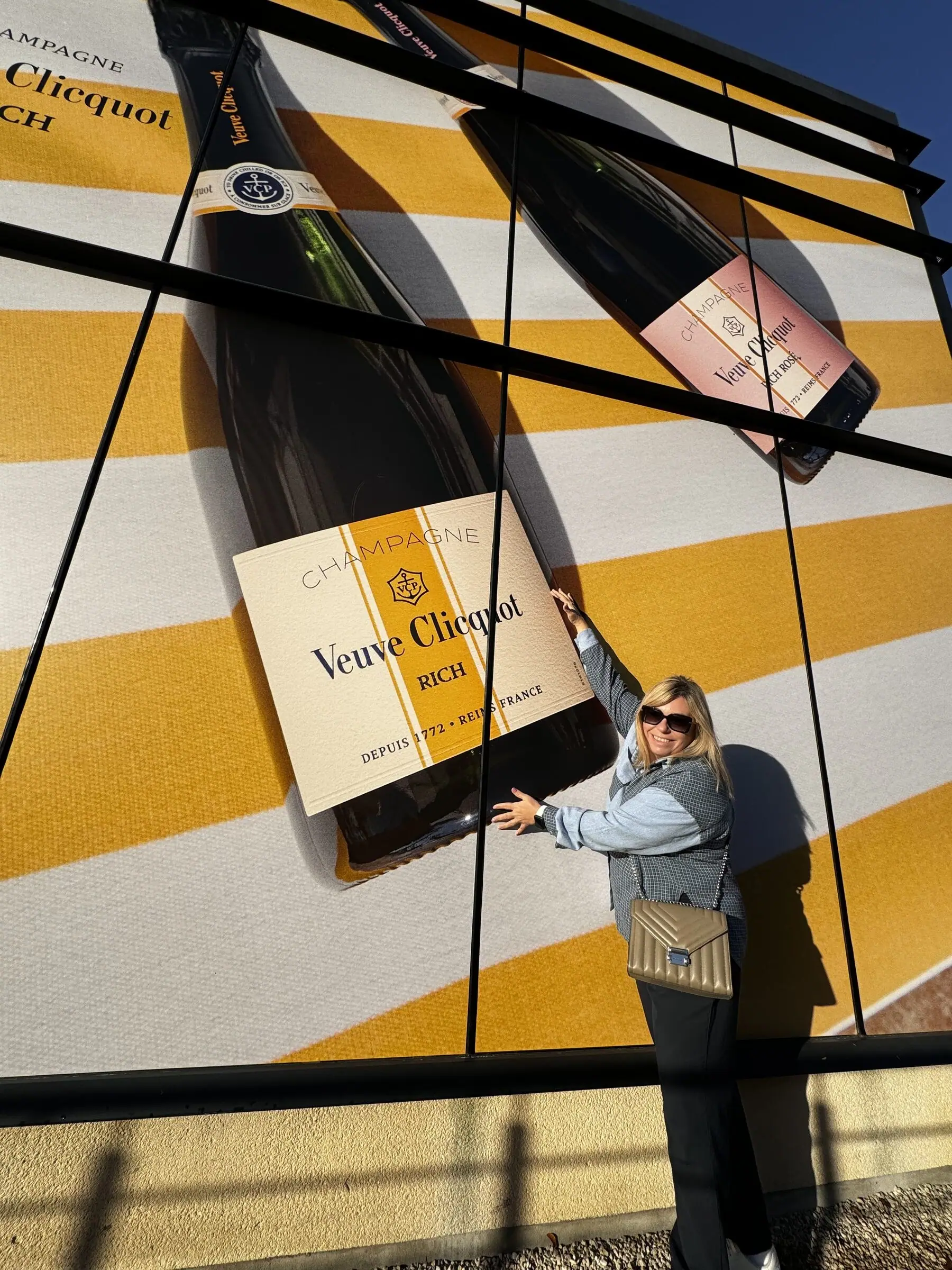
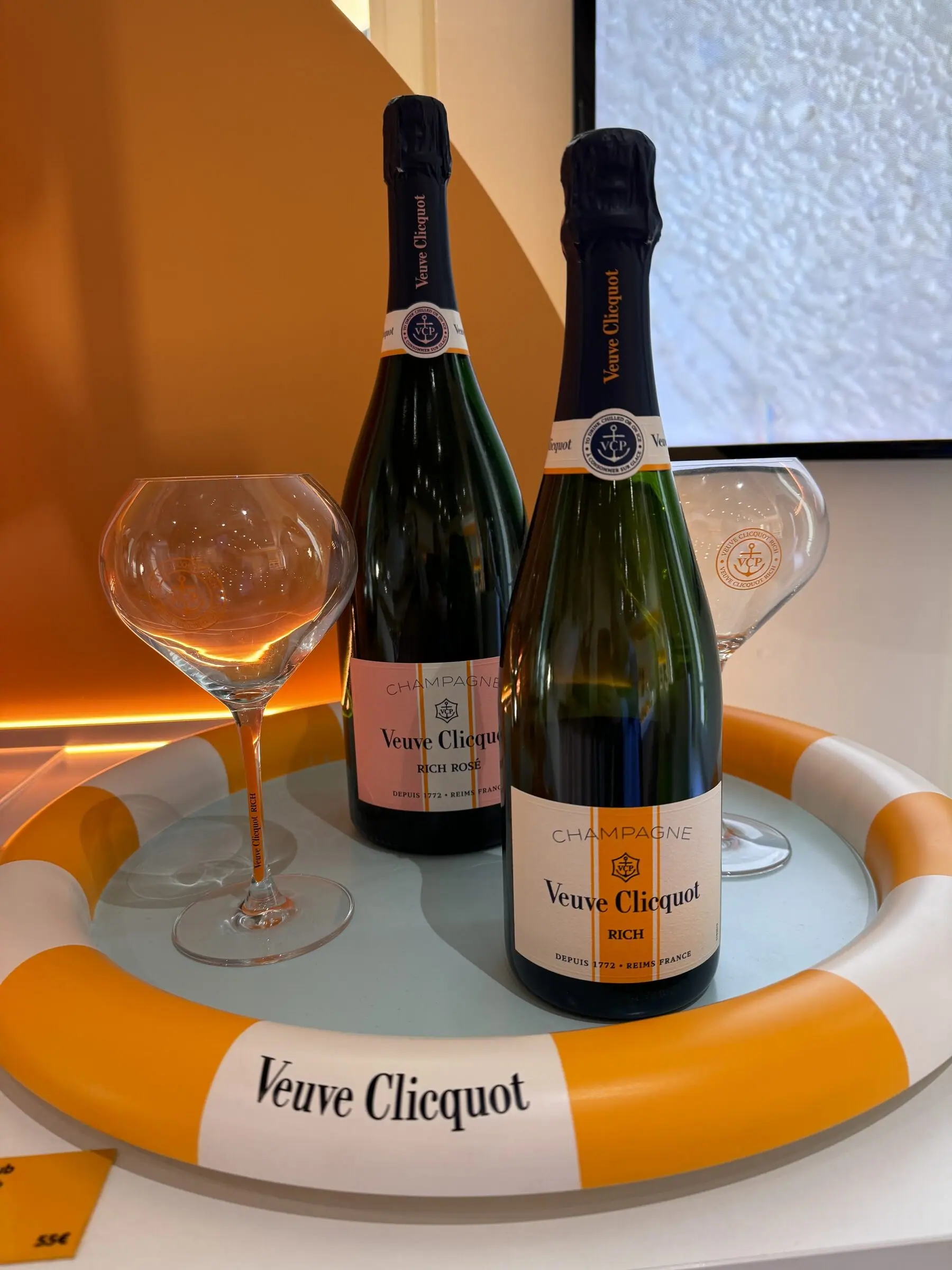
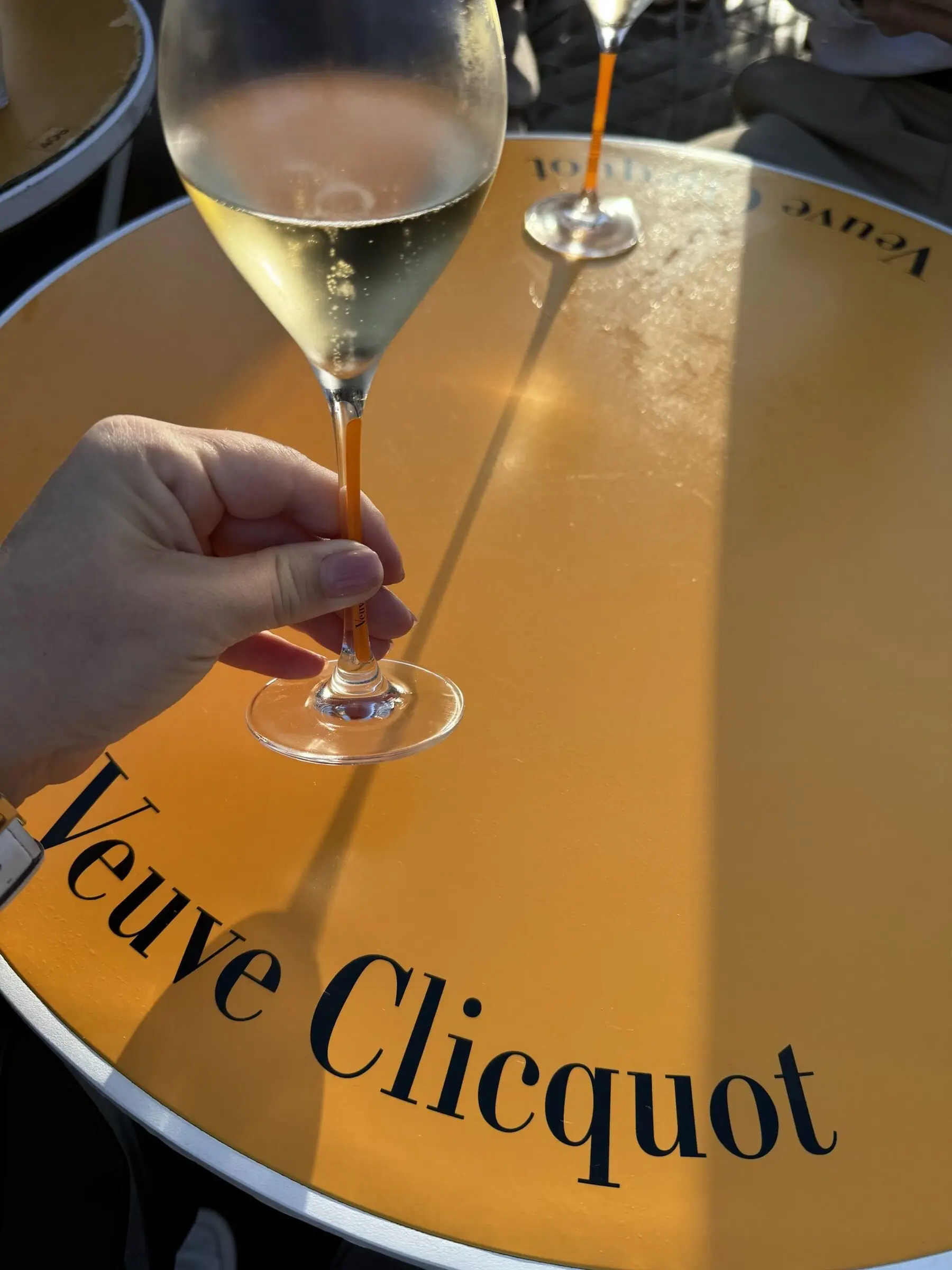
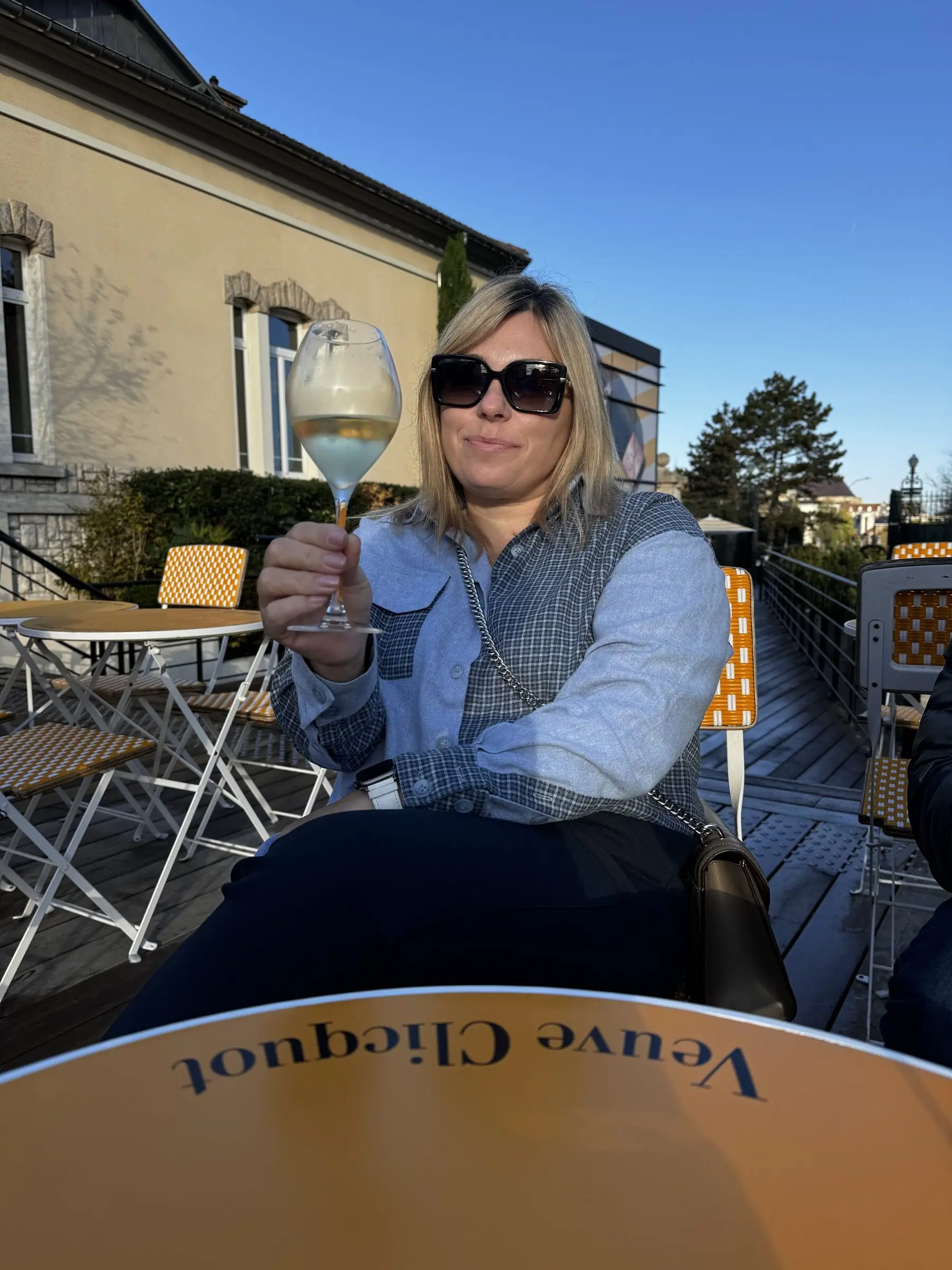
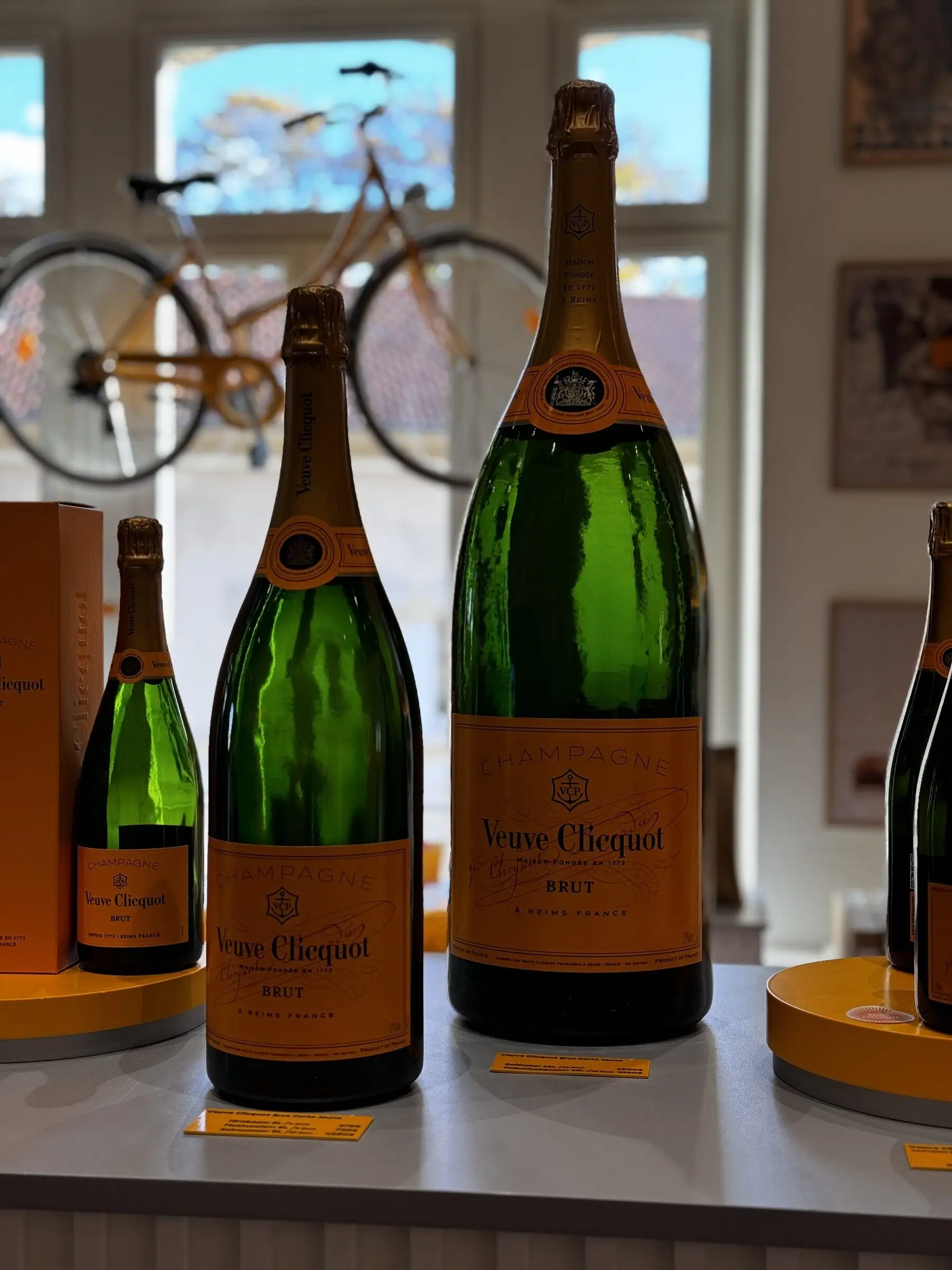
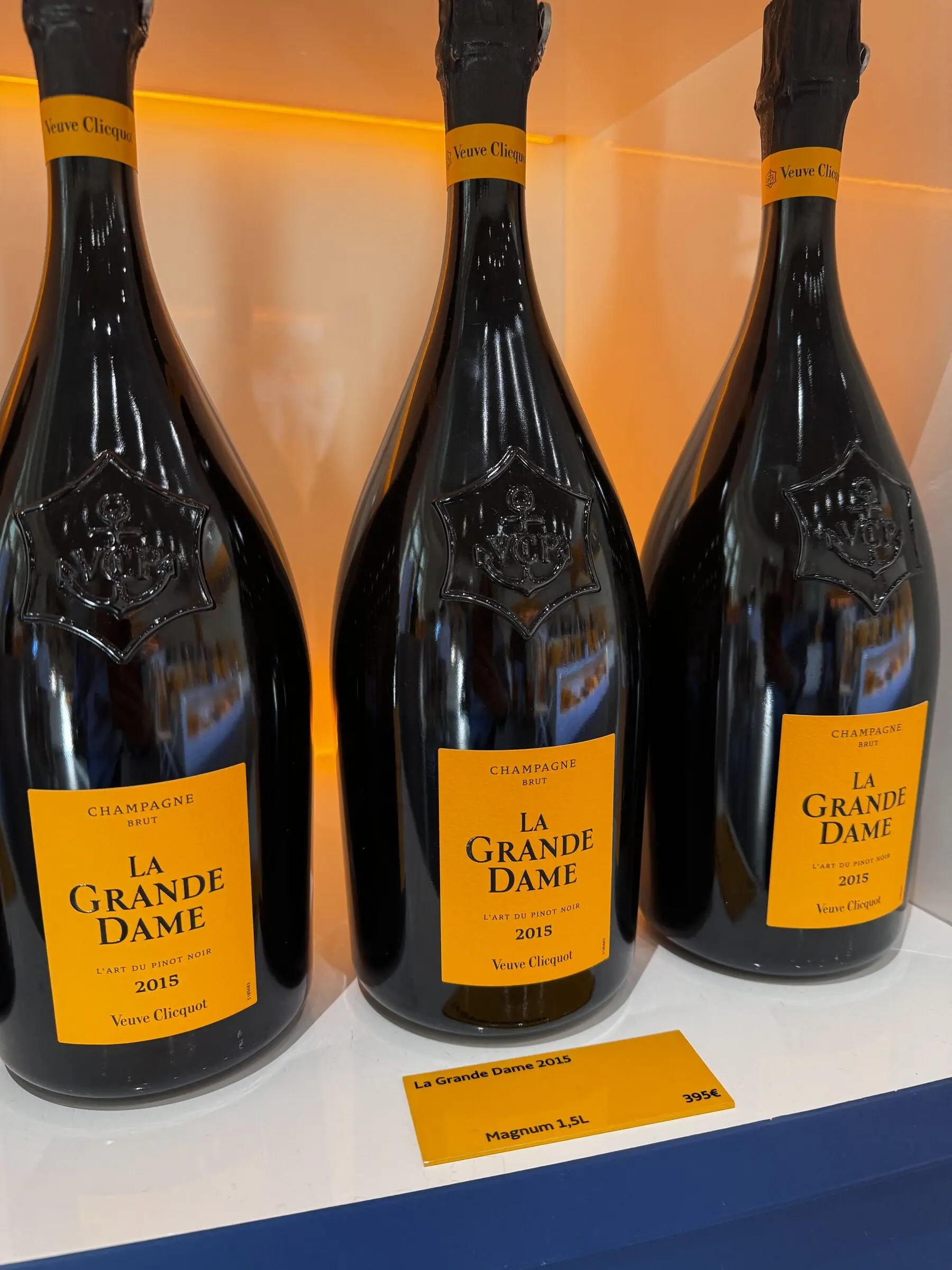
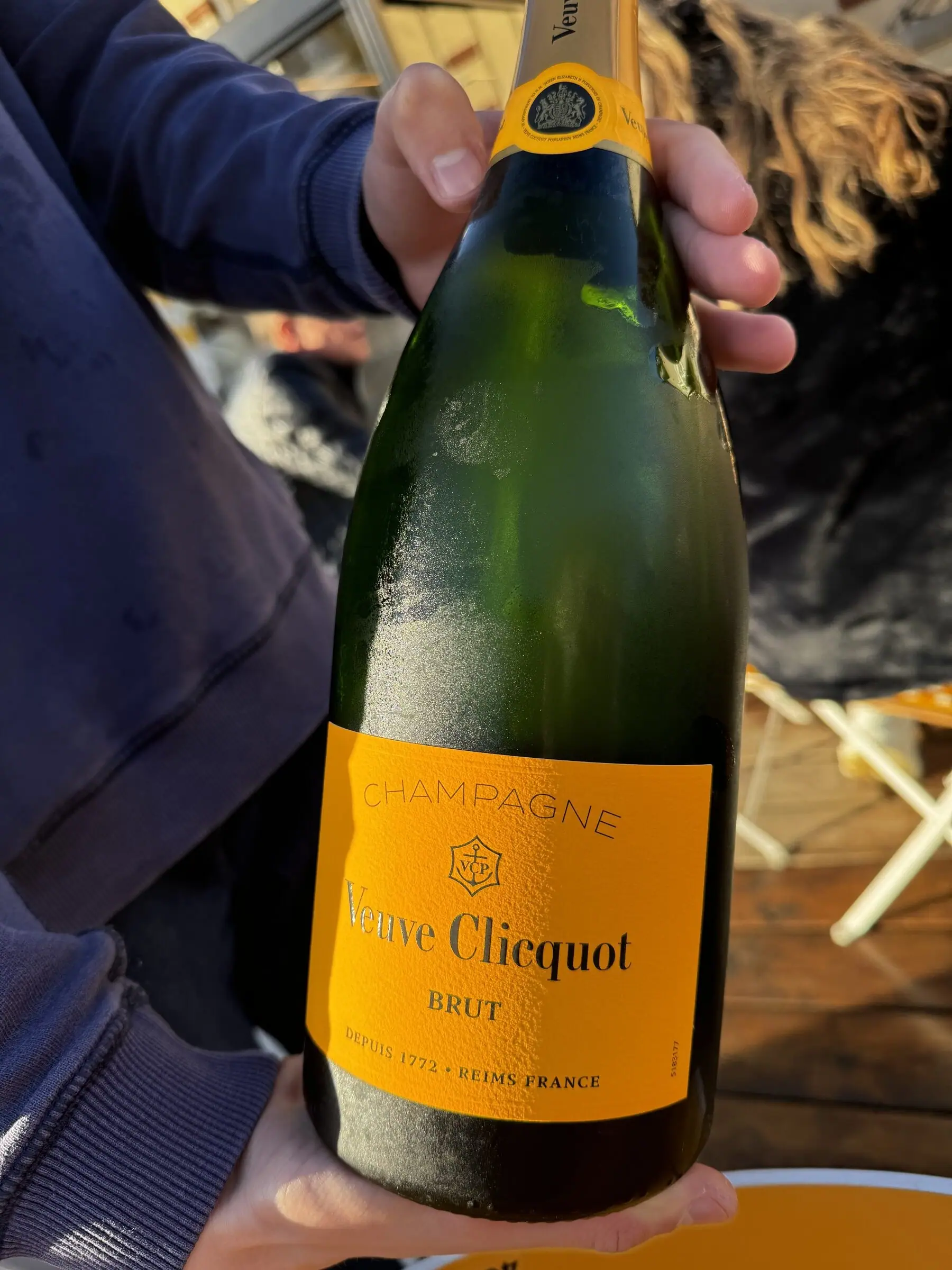
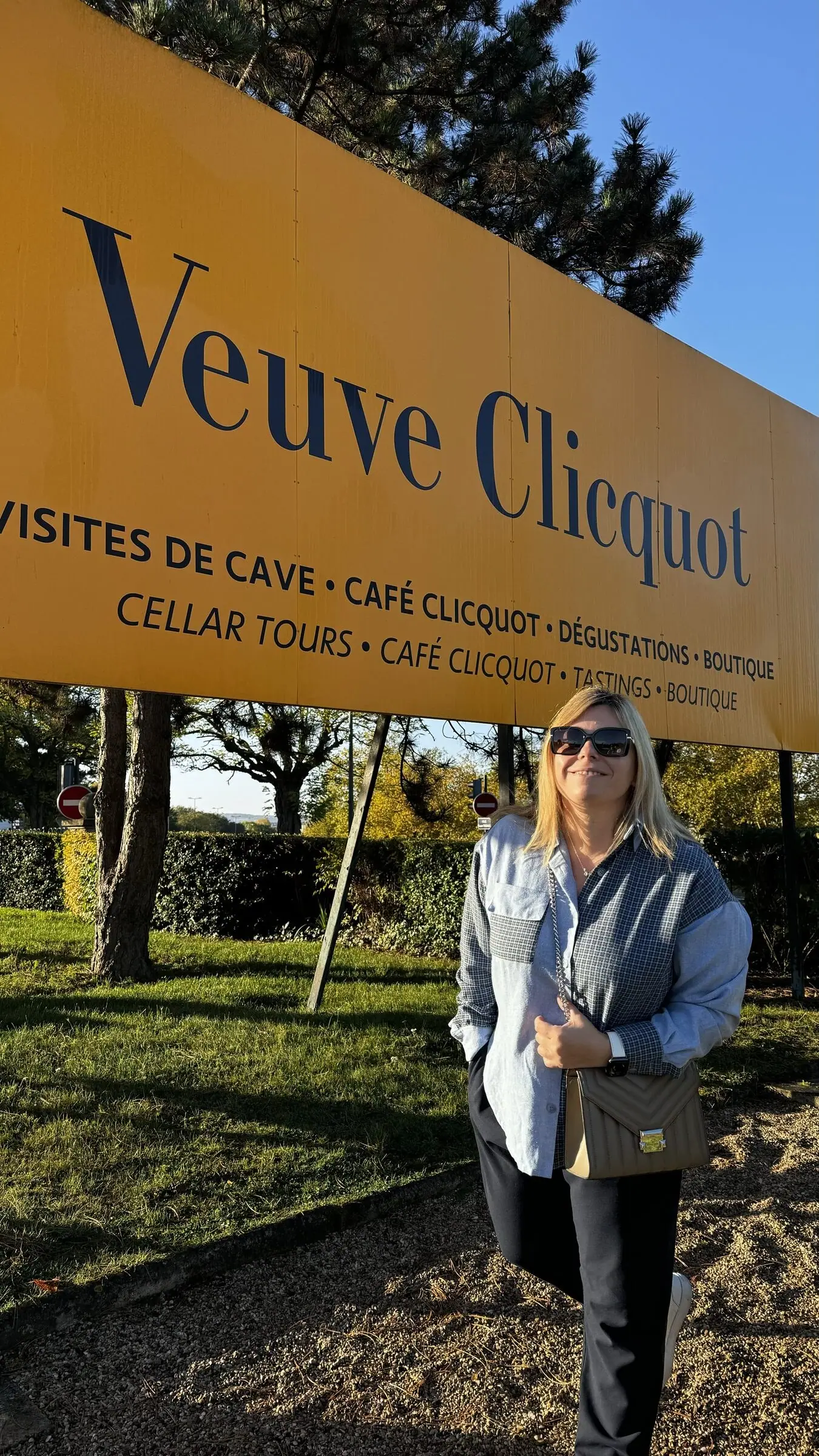
The next day we also enjoyed Champagne from Veuve Clicquot, another of the region’s great houses. It was fascinating to compare its richer, more structured style with the finesse of de Venoge and the other wines we tried over the weekend.
Veuve Clicquot was founded in 1772 and made famous by Madame Clicquot, the widow who took over the business in 1805. The house is known for its Yellow Label Brut and a full‑bodied, Pinot Noir–driven style.
Discovering smaller growers in Aÿ
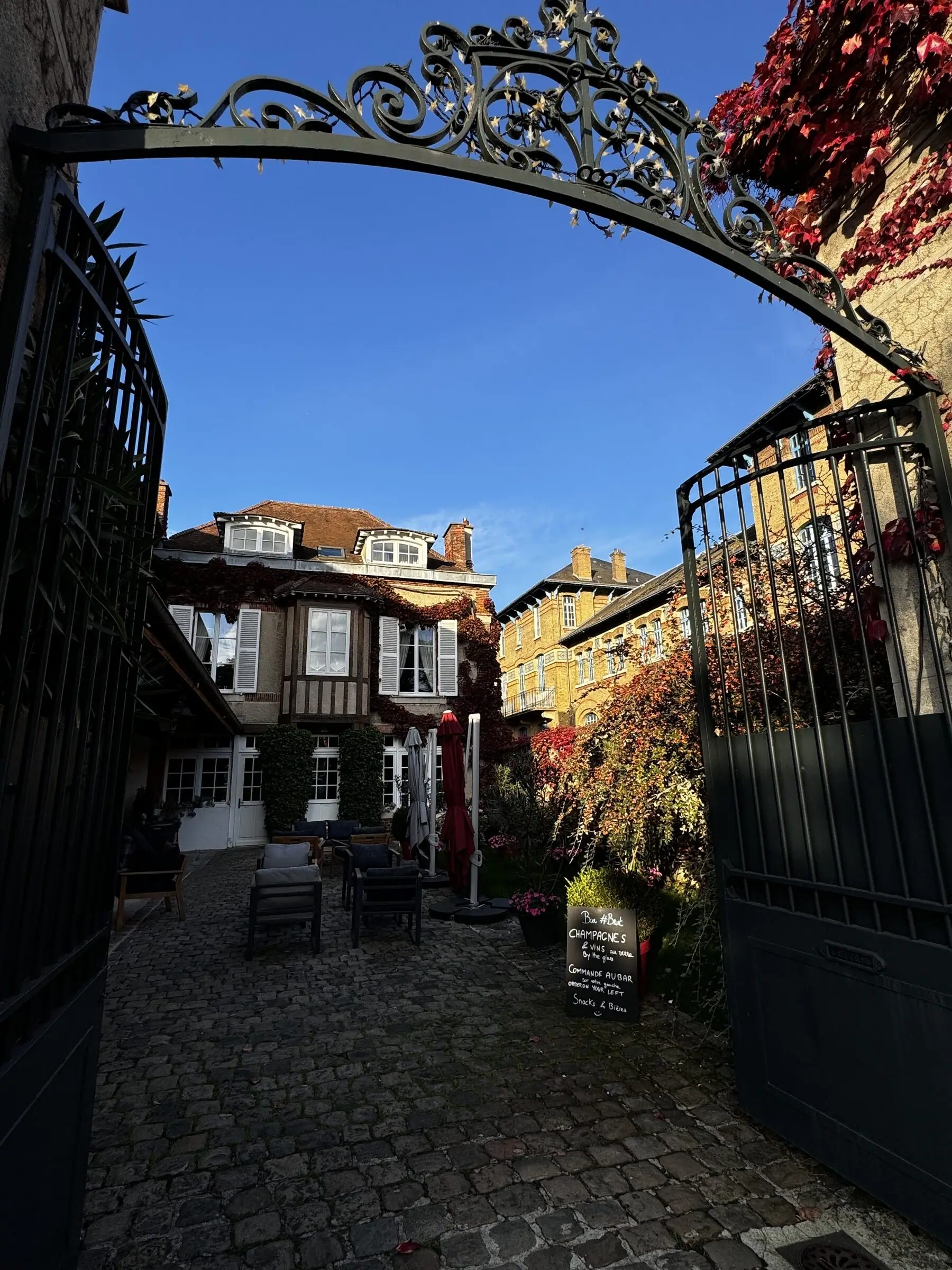
Wanting to see a different side of Champagne, we headed to Aÿ, a historic village surrounded by vineyards and known for its grower-producers. While the big houses dominate the Avenue de Champagne, Aÿ offers a more intimate, artisanal feel.
Here, smaller growers work their own parcels, often doing everything from tending the vines to bottling and selling the final wine. Even without visiting every cellar door, just walking through the village, seeing family names on doors and tiny courtyards packed with equipment, gives you a sense of how deeply rooted wine is in everyday life. It made me wish I had more time to explore their cellars and compare styles from one producer to the next.
If there’s one regret from my weekend in Champagne, it’s that I didn’t have enough time. I only scratched the surface.
Next time I want a few extra days, for the famous names and for the small growers tucked away in the villages.